

24-Hour Studio Hire London

The lowest hourly rate isn’t always the cheapest booking. For 24-hour studio hire in London, the better-value option depends on the booking blocks available and how much time your production actually needs.
It’s easy to assume that a half-day or full-day booking costs less per hour than hourly hire. But unused time can change the calculation, and you’ll also need to allow for load-in, set-up and pack-down.
This guide explains how hourly, half-day and full-day costs compare, how booking blocks affect your budget, and what to clarify before choosing a studio. It also covers access, equipment movement and capacity, helping you plan a focused shoot without paying for time or space you won’t use.
Table of Contents
Hourly hire prices
London studio rates depend on the space, booking length and production needs. Compare the total cost for your planned session rather than judging a booking by its hourly rate alone.
Minimum spend and effective hourly cost
A minimum spend means you pay a minimum charge even if your session uses less time. Divide that charge by the hours you’ll use to find the effective hourly cost. A short recording or writing session, for example, may work out differently from a longer capture under the same rate.
Check the booking terms for the minimum duration, any required booking block and what happens if your schedule changes. An hourly rate doesn’t show the total if you must book the room for longer. For a podcast, compare the minimum charge with your planned recording time, including set-up and pack-down.
Rates for 24-hour hire
“24-hour hire” can mean access at any time of day, a continuous booking lasting a full day, or simply a venue with extended opening. These are different arrangements. Ask what the booking period covers: overnight access does not, by itself, explain how an hourly rate is calculated.
For a late-night or early-morning session, establish the start and finish times, whether the booking runs continuously, and how extra time is charged. This makes it possible to compare like with like. Rates may also differ between recording studios and podcast rooms because the space and booking terms vary.
London recording studio hourly prices aren’t a reliable guide to every podcast room. Rates and minimum booking periods vary by space and its terms. Compare the hourly charge with the minimum duration: a lower rate can still mean a higher total if the required booking block is longer.
Build a realistic session plan before comparing options. Allow time for writing, recording, retakes and pack-down, then match your schedule to the available booking blocks. A brief podcast interview may need a different arrangement from a multi-part recording with several contributors. Focus on the total cost for the time you need, not an isolated hourly rate.
When comparing studio hire, record the quoted rate, minimum spend, booking length and permitted access hours together. Use the same planned session length for each option. This makes differences easier to spot and helps you choose a booking that suits your production, whether it’s a focused recording or a longer capture session.
London studio hire rates and booking blocks
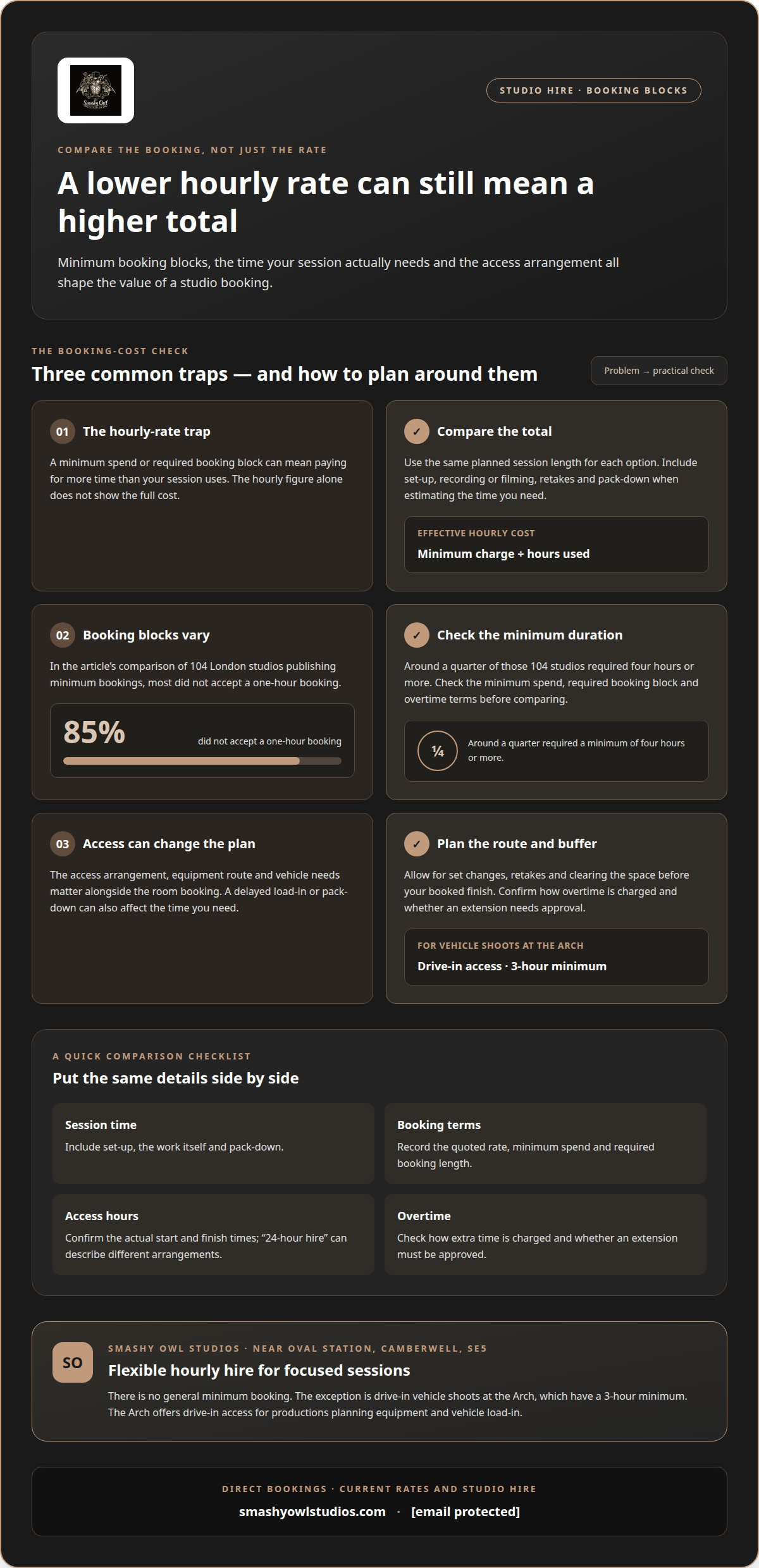
Compare the full booking terms, not just the hourly figure: room size, facilities, access times and minimum duration all affect suitability. For 104 London studios publishing minimum bookings, 85% do not accept a one-hour booking, and around a quarter require four hours or more.
Studios differ in size, daylight, ceiling height, facilities and availability. Match the room to your crew, shot list and project format. Noise, guest numbers, filming, food, alcohol and overtime rules depend on the booking terms, so read them before committing.
Overtime charges and booking buffers
Overtime terms explain what happens if a shoot runs beyond its booked finish. Check whether extra time is charged by the hour or in another block, and whether the venue must approve an extension. The booking terms determine the cost, so don’t assume you can simply extend a delayed wrap.
Build a buffer into your schedule for set changes, retakes and clearing the room. A shoot with several looks, for example, needs more transition time than a single-set interview. Planning pack-down before your booked finish can help prevent an overrun.
Longer bookings and project bundles
A longer booking can suit productions with several scenes, contributors or set-ups. Check how consecutive hours are calculated and whether a day booking has fixed start and finish times. A project bundle may combine several sessions, but its value depends on the included hours, dates and restrictions.
For multiple shoots, list each required date and the work planned for that session. This helps you compare one continuous booking with separate blocks. Consider whether daylight needs, access times or changing production requirements make a single long session practical.
Studio size and minimum booking
Room size can influence the booking blocks on offer, but it isn’t the only factor. A compact room may suit a podcast or interview, while a larger production needs space for people, set pieces and movement. Compare usable floor area, ceiling height and layout with your actual shot list.
Minimum duration is a separate booking condition. Among the 104 London studios publishing a minimum, 85% will not take a one-hour booking, while around a quarter set a minimum of four hours or more. Include the minimum in your comparison, even if the planned shoot is shorter.
A useful booking enquiry includes the project type, preferred dates, session length and access needs. Response times vary by venue, so wait for confirmation before fixing crew call times or travel plans. A clear enquiry also helps establish whether the booking block suits your production.
Before confirming, review the written terms for guest access, noise, filming, food and alcohol, along with any overtime charge. Conditions vary between venues. A quiet recording session and a larger filming day, for example, may have different practical requirements, so describe your shoot accurately.
Load-in access and production logistics
Planning an overnight production starts with the access arrangement, not just the room booking. Photography, film, music and rehearsal spaces can have different entry, noise and equipment conditions.
“24-hour access” may mean a venue is open around the clock, or that a particular booking includes overnight entry. Self-service access can involve separate instructions for entering and securing the space. Treat each arrangement as specific to the venue and booking.
Plan load-in around your largest item, vehicle and crew call time. A camera case may fit through a standard entrance, while bulky set pieces need a suitable route and enough door clearance. Include the dimensions of unusually large items in your production plan, along with any vehicle access requirements.
Overnight hire can suit photography, filming, music recording or rehearsals when the space permits that activity. A sound engineer may need a quiet recording environment; a film crew may need room for people and set pieces. Make sure the intended use and equipment fit the venue’s terms.
Additional charges for equipment, cleaning, security, VAT or out-of-hours access depend on the booking terms. Compare the complete written pricing rather than assuming these items are included in the room rate. Treat catering as a separate production consideration, not an assumed studio facility.
Studio areas and public transport
Smashy Owl Studios’ locations are near Oval station in Camberwell, SE5. For any London studio, compare the venue’s location with the crew’s routes and planned call time. Public transport options depend on the journey and time of day, so include arrival and wrap times in the production schedule.
For equipment-heavy shoots, consider vehicle access as well as the nearest station. Carrying a small kit requires different planning from moving large cases or set pieces. Add the arrival point and access instructions to the crew call sheet.
Consecutive-day access and key collection
Consecutive-day bookings can keep a production in one space between sessions if the booking arrangement allows it. Set out the start and finish times for each day, overnight access arrangements, and whether equipment can remain in place. These details shape security planning, continuity and the next day’s call time.
Key collection or another entry method is part of the access plan. Record who is authorised to enter, how the agreed method works and what’s required when closing the space. Clear instructions matter when crew members arrive or leave at different times.
Before production begins, align the schedule with the agreed access, permitted use, guest arrangements, noise conditions, load-in route and any additional charges. A clear plan helps photographers, filmmakers and music teams coordinate people and equipment for overnight sessions, without assuming every London venue has the same arrangements.
Studio capacity
Capacity is about more than the number of people in a room. For filming or photography, usable floor space, equipment positions and movement routes all affect how comfortably a production can work.
Distinguish the guest count from the working capacity. A crew, performers, clients and equipment may all need space at once. A camera operator needs clear sightlines, for example, while a lighting stand or set piece takes up floor space. A room that works for a seated interview may feel crowded during a standing performance shoot.
Seated and standing capacities describe different layouts, so don’t treat them as interchangeable. Chairs, a stage, camera positions and circulation routes all change the usable area. For a seated podcast, consider the chairs, recording position and contributor access. For a standing fashion shoot, allow space for models, styling and camera movement.
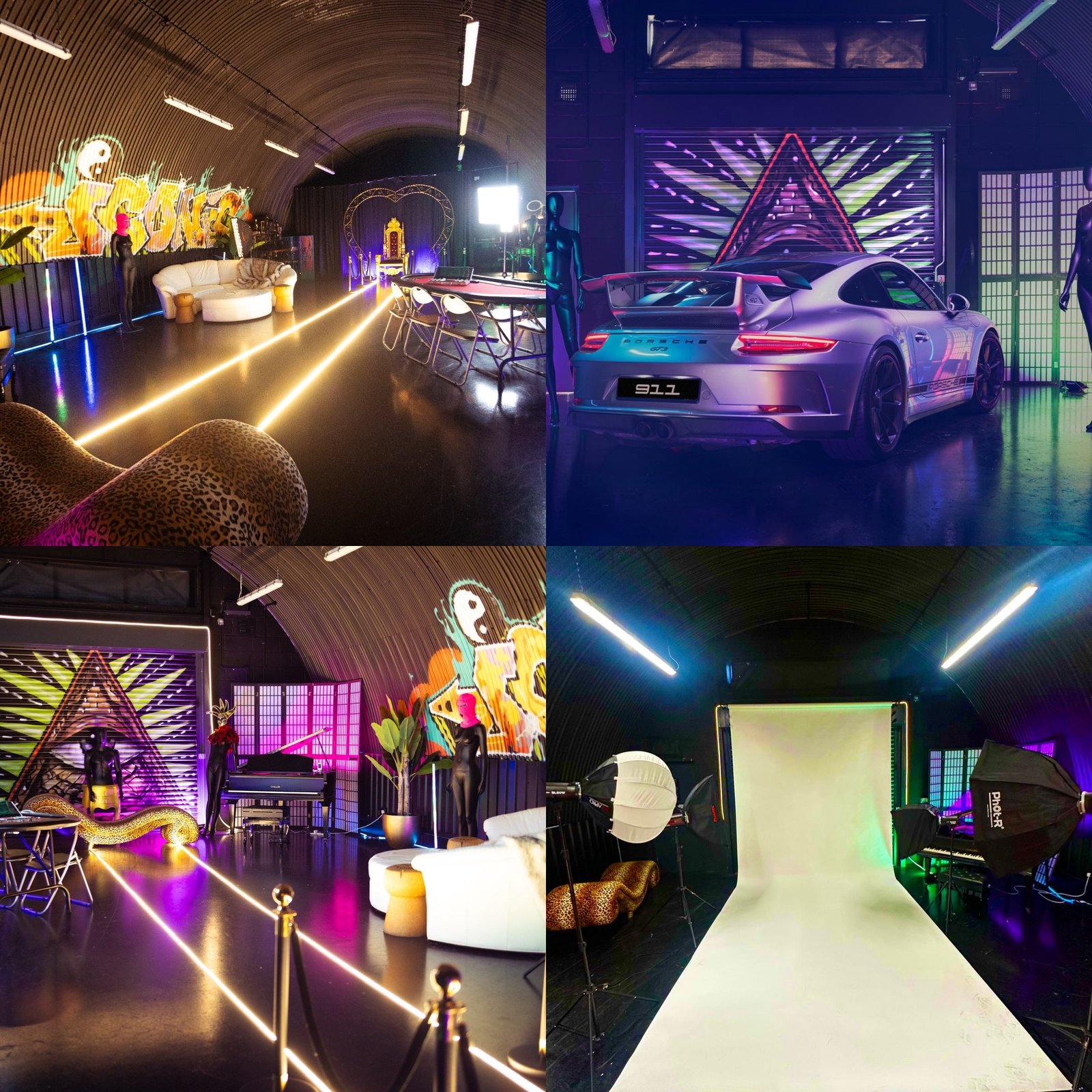
Dimensions give useful context, but don’t establish a people limit by themselves. A space measuring approximately 7.5 x 14.5 x 4.5m has a different shape and ceiling height from a compact room. Consider how the production will use that footprint, including the positions of the crew, set and any large items.
Make a simple floor plan before booking. Mark the camera position, subject area, lighting, set pieces and crew positions, then map a clear route from the entrance to the working area. This can show whether your proposed layout leaves enough room for people to move safely and work efficiently.
Capacity also changes with the shot list. A single interview setup may need fewer working zones than a shoot capturing several looks. A stage, baby grand piano or white 3x3m Colorama each affects how the available space can be arranged. Plan the layout around the essential elements, rather than filling every area.
Check the venue listing for dimensions and any stated seated or standing capacity. If it gives just one figure, apply it to the specified arrangement, not every production layout. Share your crew size, planned set-up and intended use when discussing a tailored layout. Include any vehicle or oversized items, since access affects how equipment reaches the shooting area.
Parking and load-in also shape practical capacity. Your team may fit inside but still need a workable arrival plan for people and equipment. Set a clear call time and decide who will carry each item. For a production with lighting stands and a large backdrop, staging the load-in can keep the entrance clear.
Choose capacity to suit the work, not an ambitious headcount. A carefully planned layout can make room for filming, photography or content creation without compromising movement, lighting positions or sightlines.
Smashy Owl Studios
Smashy Owl Studios offers creative spaces for photography, filming, music videos and content creation. For productions needing controlled light and practical load-in, the Shangri-L’Arche Blackout Studio has full blackout and drive-in vehicle access. Vehicle shoots there have a 3-hour minimum; other hourly bookings have no minimum.
Both locations are near Oval station in Camberwell, SE5. Bella brings nearly 20 years’ experience running studios and shoot locations, helping make the booking process clear for photographers, filmmakers and creative teams.
Planning a shoot with a specific schedule, crew or access requirement? Contact Smashy Owl Studios to discuss your booking.
Shape your next production around the right space
Let the creative brief guide your next decision. Consider the images or footage you want, the atmosphere that supports them and how your team will use the space. This focus can turn an unusual call time into productive creative hours, rather than simply extending a standard daytime schedule.
For 24-hour studio hire in London, Smashy Owl Studios offers space hire for photography, film locations and music video productions. Bring your own creative team and production plan; the studio is the setting for your work, not a production service.
Choose a space that gives your idea room to take shape. A clear brief is a strong starting point for planning your booking.
Your next shoot can begin in a space that feels right for the story you want to tell.
Frequently Asked Questions
Hourly, half day or full day: which is cheaper per hour?
A longer booking can reduce the effective hourly cost, but only if you use the time you’ve booked. Compare the total charge for your actual schedule, including arrival, set-up and pack-down. A short interview may suit hourly hire, while a production with several set-ups may make better use of a longer block. Check minimum durations and any time-based rate changes before deciding.
Is VAT included in these figures?
VAT treatment should be clear in the written quote or invoice. Don’t assume a displayed rate includes VAT or that VAT is added separately. Before finalising your production budget, confirm the amount payable and account for any VAT shown in the booking paperwork. This helps you compare the full cost consistently, especially when planning several sessions or a longer production.
Is the headline rate the price you pay?
Not necessarily. The final amount can depend on the space, session time, booking length and requested options. An out-of-hours shoot, for example, has different terms from a standard-hours booking, while a vehicle shoot uses a separate drive-in upgrade. Check the booking total and what it covers rather than treating the headline hourly rate as the full cost.
What does a minimum booking do to the real price?
A minimum booking means you pay for the required booking period, even if your shoot finishes sooner. Smashy Owl Studios has flexible hourly hire with no general minimum; the drive-in vehicle upgrade at the Blackout Arch has a minimum of 3 hours. For a brief vehicle shoot, include the full minimum booking period in your budget, even if filming itself takes less time.
Which London studios offer 24-hour hire?
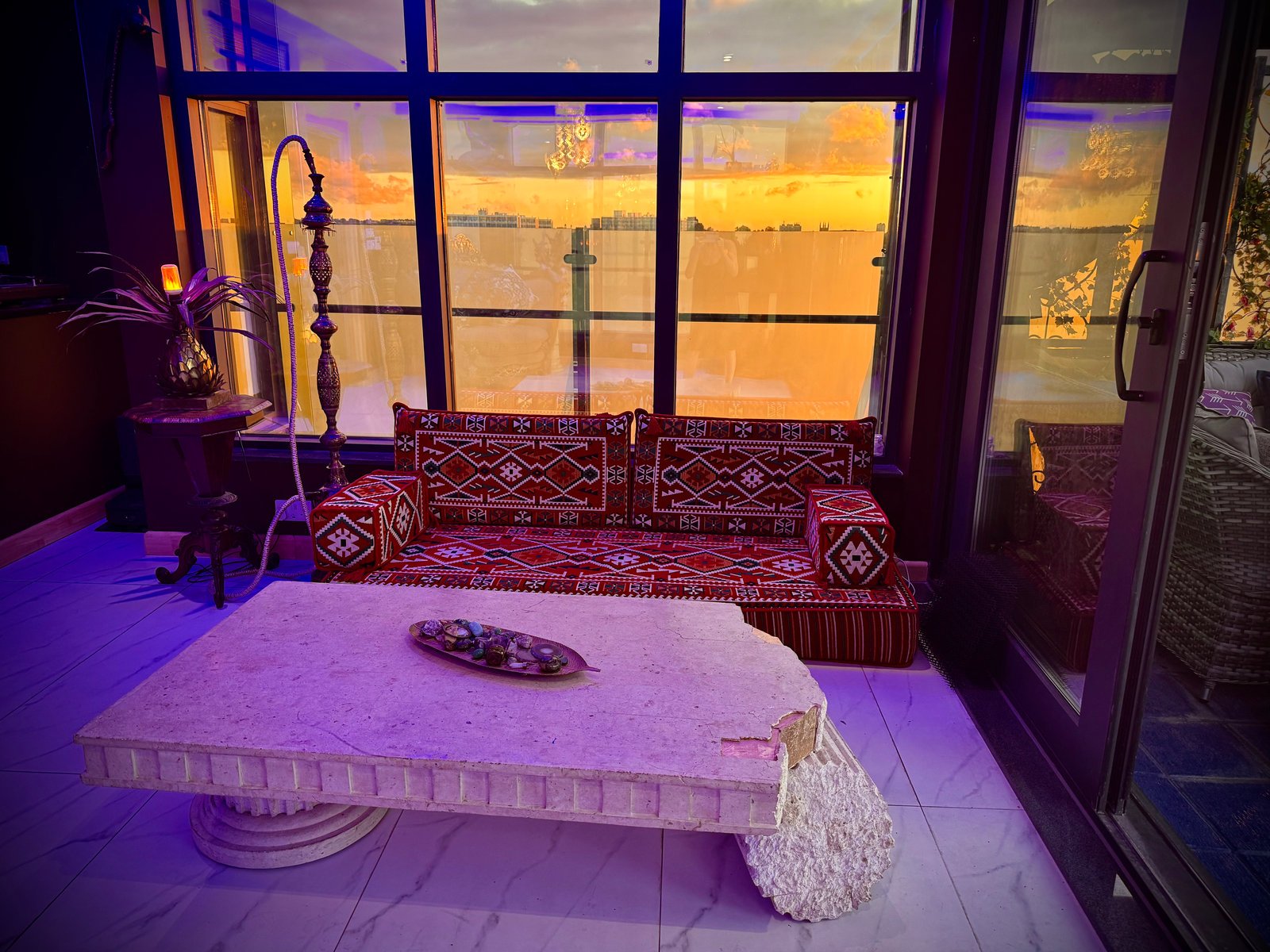
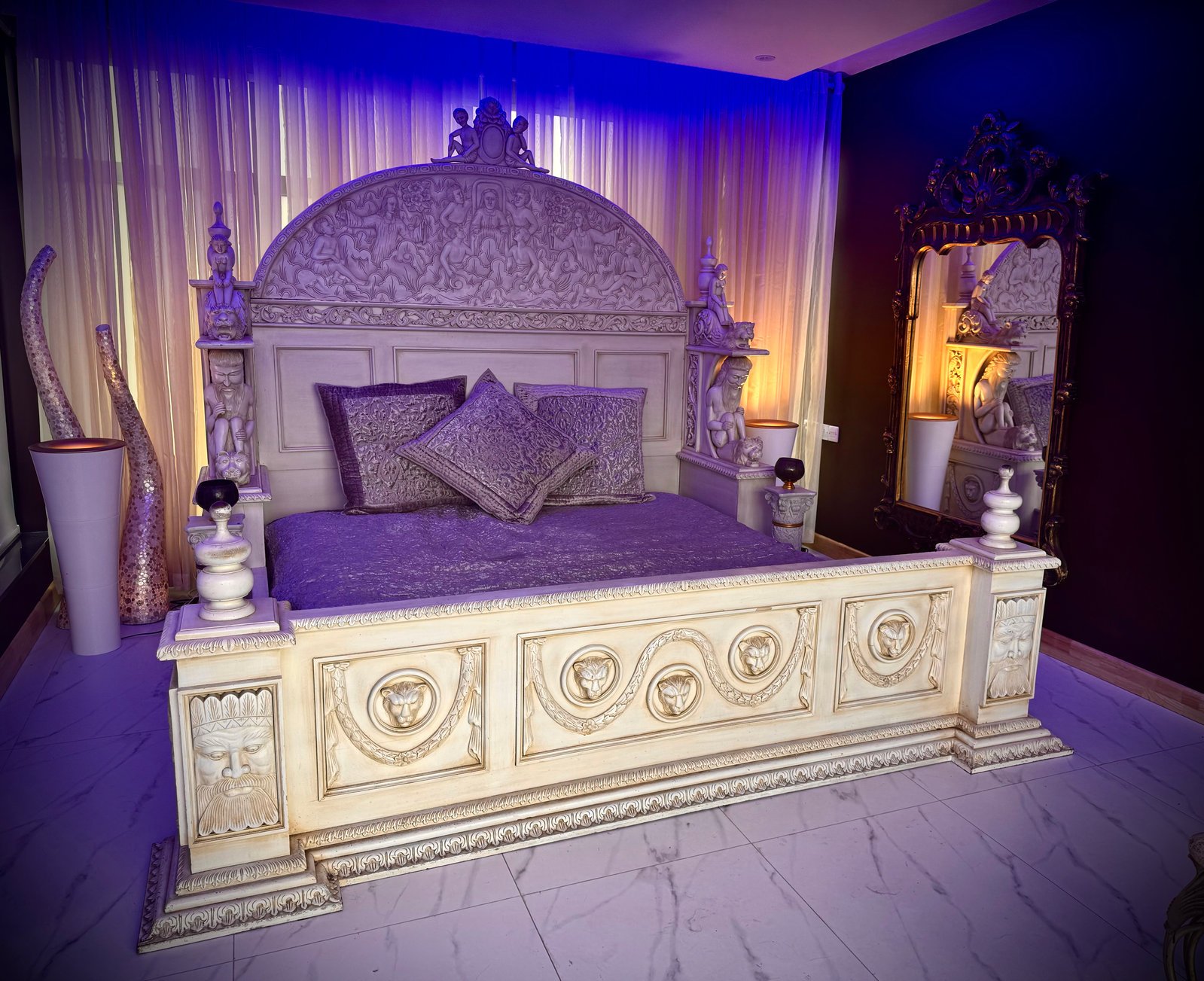
Smashy Owl Studios’ spaces don’t have standard 24-hour opening. The Penthouse operates from 7 am to 1 am, and the Blackout Arch from 8 am to 10 pm. Shoots outside those hours are possible only by prior agreement and are priced on request. That distinction matters for overnight planning: discuss the requested schedule before arranging crew call times or travel.
What are the hourly, overnight and 24-hour studio hire prices in London?
There isn’t one standard London rate for every space or schedule. Smashy Owl Studios’ rates vary by location and, for the Penthouse, by day and time. Overnight and other out-of-hours shoots require prior agreement and are priced on request. See the rates information on the website for current standard rates, and compare the charge for your exact session length and dates.
To book directly, contact Smashy Owl Studios or email bookings@smashyowlstudios.com.
Comments