

Dance Video Studio Hire London with Stage and Mirror

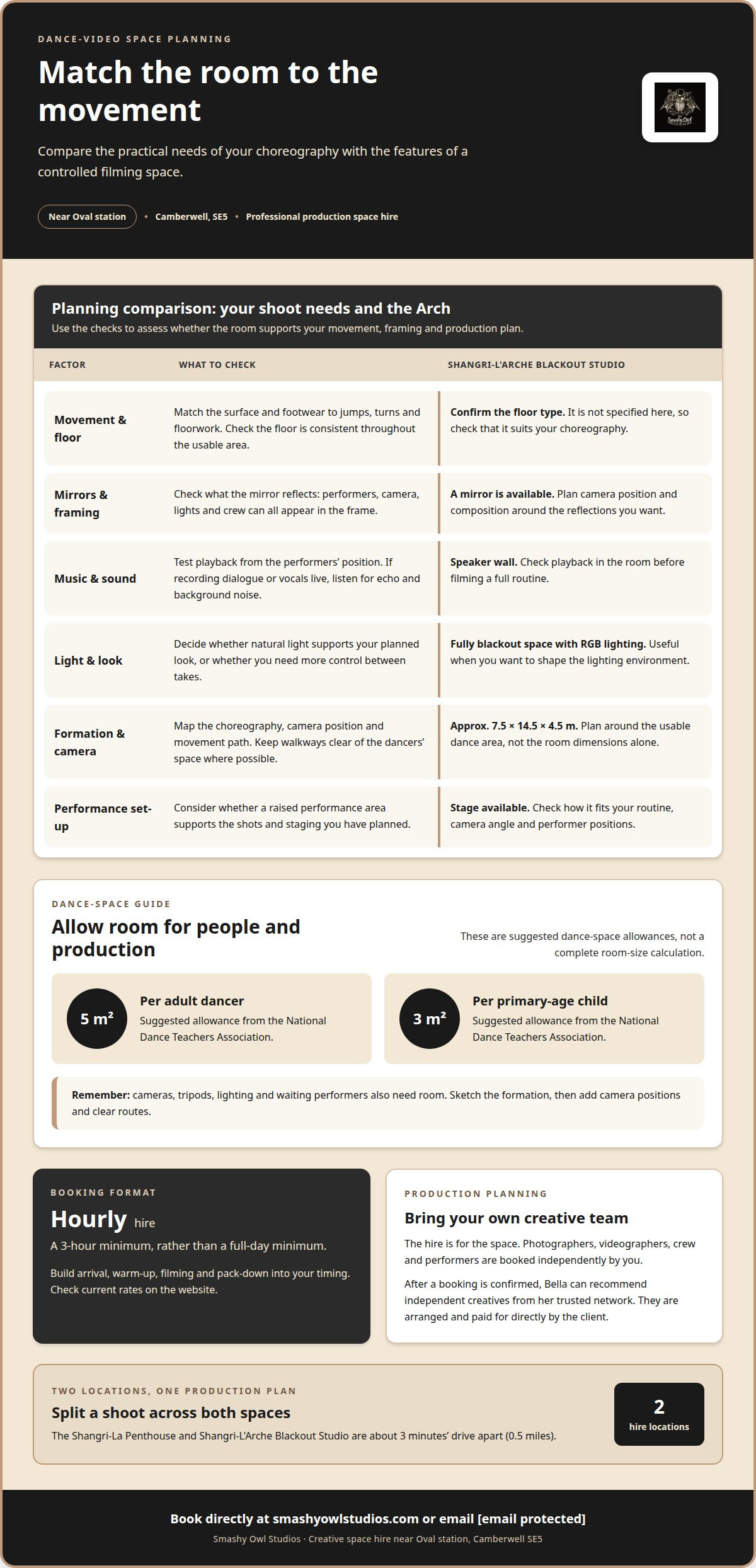
Choosing dance video studio hire in London involves more than comparing hourly rates. Room layout, facilities, booking time and the choreography all affect which space will work best. A mirrored room may suit rehearsal footage, while a blackout studio gives you greater control over the look on camera. Compare the features included with the practical needs of your shoot.
It’s understandable to want a clear price before you plan a production. The best fit comes from matching the space to your cast, movement, camera set-up and schedule, rather than paying for facilities you won’t use. This guide explains what affects rental costs, how to assess room dimensions and features, and how booking times and intended use can help you choose a studio that supports your vision.
Table of Contents
Choosing floors, mirrors, sound and equipment
Start with the movement you’ll film. Jumps, turns and floorwork call for different conditions from a seated interview or close-up performance. Check the surface and consider whether it suits the choreography and footwear. A sprung floor feels different underfoot from a hard studio floor, so factor in what your performers need.
Some routines suit specialist dance flooring, while others work well on a clean, neutral surface. Don’t assume every studio has a sprung wooden floor. Check whether the floor is sprung, fixed or portable, and whether its surface is consistent throughout the room. A walk-through can help you spot joins or edges that might affect movement or framing.
Mirrors can help with rehearsal and add visual depth to a dance video, but consider what they’ll reflect. A mirrored wall may show the performers as well as the camera, lights and crew. For a front-facing shot, choose the camera position with reflections in mind. If reflections are part of the look, plan the frame around the elements you want to include.
Sound matters even when you plan to add the final track in post-production. Test music playback in the room before filming a full routine, and check that performers can hear it clearly. If you’re recording dialogue or vocals live, listen for echo and background noise during your location check.
Floor: Match surface and footwear to jumps, turns or floorwork.
Mirrors: Check reflections through the intended camera frame.
Sound: Test the track from where performers will hear it.
Light: Decide whether natural light supports your planned look.
Facilities should serve the shot list, not just look impressive on arrival. For a solo routine, prioritise clear movement space and a usable mirror. For a group formation, consider sightlines, speaker placement and where the camera can move. In a central London studio, a focused set-up can help keep a short booking productive.
Before booking, note your movement style, camera position and audio plan. Then consider how the floor, mirrors and other features support each one. A mirrored wall, for example, may suit choreography coverage, while a blackout room can help you control the look between takes. Comparing spaces against these practical needs makes your choice clearer.
Popular booking days and off-peak savings
Saturday is the most popular day for London dance studio bookings, so consider other days when planning your session. Your preferred start time, group size and access needs can all shape which booking slot works best.
Off-peak bookings and longer hire blocks
Compare daytime and evening slots before settling on a date. Several London listings show lower rates during off-peak periods than evening slots, although the saving varies by space and booking. Longer hire blocks can suit productions with choreography run-throughs, costume changes and several takes. Build a schedule first, then compare the time needed with the available session lengths. Allow for arrival, warm-up and pack-down, not only filming.
Saturday is the busiest choice, while Sunday and Monday bookings are cheaper on average in the market data. Artists may also find last-minute Tuesday discounts, subject to availability. Treat these as options to explore, rather than guaranteed savings. If your shoot depends on ballet barres, a sound system or a spacious floor, compare suitable facilities before choosing a quieter slot.
Budget-friendly booking tips
Set a shot list before you book, then group scenes by set-up and performer. This helps reduce time spent moving cameras, adjusting sound or resetting choreography. Ask how the hire period is counted, and include arrival and wrap-up in your timing. A focused plan can make a shorter session more productive without rushing performers through auditions or rehearsals.
Compare the total booking requirements, not just the advertised hourly rate. A two-hour minimum is common for London dance studios, though minimums vary by space and activity. For instance, a short solo performance may need less room time than a group routine with costume changes. Check whether barres or other facilities suit your plan before paying for a longer block.
London dance studio bookings typically last 6 hours and have 18 people in attendance. The most common start time is between 12:00 and 13:00. Use these figures as planning context, not a required format. A small audition or solo dance video may need fewer people and a different schedule. Count performers, camera operators and other crew when estimating the group size.
Send a clear enquiry with your preferred date, start time, session length and expected attendance. Include the purpose, such as ballet rehearsal, auditions or filmed choreography, and mention any essential facilities. If your schedule can shift, offer alternative dates or start times. For a practical starting point, share your proposed session details with the studio.
Studio and room capacities and dimensions
A room’s stated capacity doesn’t show how comfortably dancers can move on camera. Consider usable floor area, camera positions and clear routes through the space together.
Start by measuring the dance area, not the whole venue. Multiply its usable length by width to estimate floor space, then mark out the choreography. Keep camera positions and walkways outside the dancers’ movement where possible. A room’s listed capacity may reach 45 guests, but that figure doesn’t mean 45 people can dance at once.
The National Dance Teachers Association suggests allowing about 5 square metres per adult dancer. For primary-age children, its suggested allowance is 3 square metres each. Treat these as planning guidance for dance space, not a complete room-size calculation. Cameras, tripods, lighting and any waiting performers also need room.
A group routine needs a different layout from a solo audition filmed with a camera operator. Sketch the formation, then add the camera position and its movement path. For travelling choreography, leave a clear route across the frame. If you’re filming a workshop, plan where participants can watch without crowding the dance area.
Dimensions alone don’t establish safe or practical capacity. The Health and Safety Executive says usable space for people, exits and circulation limit a venue’s real capacity. Check the route from the entrance to the filming area, and make sure equipment or waiting groups won’t block movement. A wider room may offer better camera access than a longer, narrow one.
Ceiling height can shape your camera and lighting choices. Check whether the room allows for raised camera angles, overhead lighting and the performers’ movements. Natural light affects where you position dancers and cameras, while a blackout studio gives you more control over lighting between takes. Consider clearances around the action, not just the stated room height.
Solo filming: Allow room for the performer, camera and operator.
Group choreography: Map the widest formation and its travel direction.
Classes or workshops: Separate active dance space from observers.
Production equipment: Include lighting, stands and clear access routes.
Before booking, plan the dancer count, formation, camera positions and equipment footprint. A floor plan can help you judge whether the usable dimensions suit the choreography. For a London studio, focus on the space available for filming and movement, rather than relying on capacity alone.
Studio uses, including rehearsals, auditions and filming
For a dance video in London, plan how your team will handle filming, music playback and recorded audio during the session. Include these requirements in your shoot plan so the space and booking suit the production.
Choose a space around the activity, not just its name. A ballet rehearsal may need room for combinations and warm-ups, while auditions often benefit from a clear performance area and a waiting space. For conditioning, consider whether the planned exercises need floor space beyond the choreography itself.
Classes, workshops and filmed sessions need different layouts. A teacher-led class benefits from clear sightlines, while filming a workshop also requires room for cameras. Sketch the formation and filming position, then leave a clear route around the active dance area.
List your practical requirements before comparing studios: movement style, music playback, mirror use and the number of people attending. A small group repeating a sequence has different needs from a full-company run-through. If your session includes several activities, plan time to reset the room between them.
Auditions and performance shoots benefit from a focused set-up. Keep the performance area clear, position the camera to capture the movement and plan where performers will enter and exit. Travelling choreography needs an unobstructed path across the frame, while a close-up audition may need less floor space.
Match your booking time to the session plan. Separate essential rehearsal time from optional filming or discussion, then prioritise the activities that need the studio. A concise schedule can help you avoid paying for room time that your production doesn’t need.
Rehearsals: Map choreography, warm-ups and any room resets.
Auditions: Keep the performance area and camera view clear.
Classes: Plan instructor sightlines and participant movement.
Shoots: Confirm recording permission and playback arrangements.
When comparing spaces, note how each is located and whether its layout supports your intended use. A room suited to hosting a class may not be the best fit for a tightly framed shoot. Share your activity plan, expected attendance and filming requirements in your enquiry, so the booking discussion stays practical.
Smashy Owl Studios: Photo studio hire london
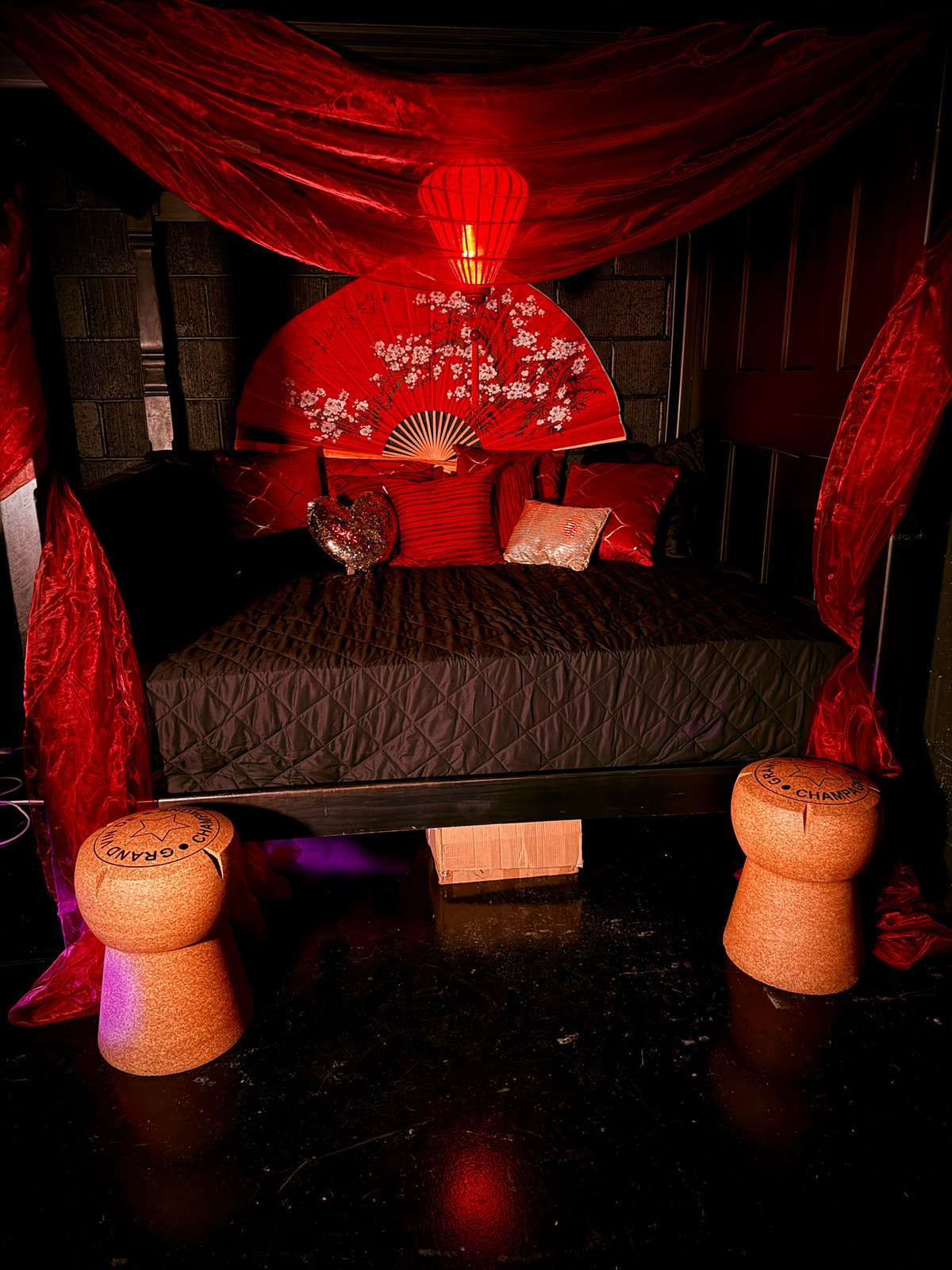
Smashy Owl Studios offers a dance filming location at the Shangri-L’Arche Blackout Studio, a fully blacked-out space with a stage and mirror. Near Oval station in Camberwell, SE5, it suits dance videos and performance shoots that need controlled surroundings and a distinctive backdrop.
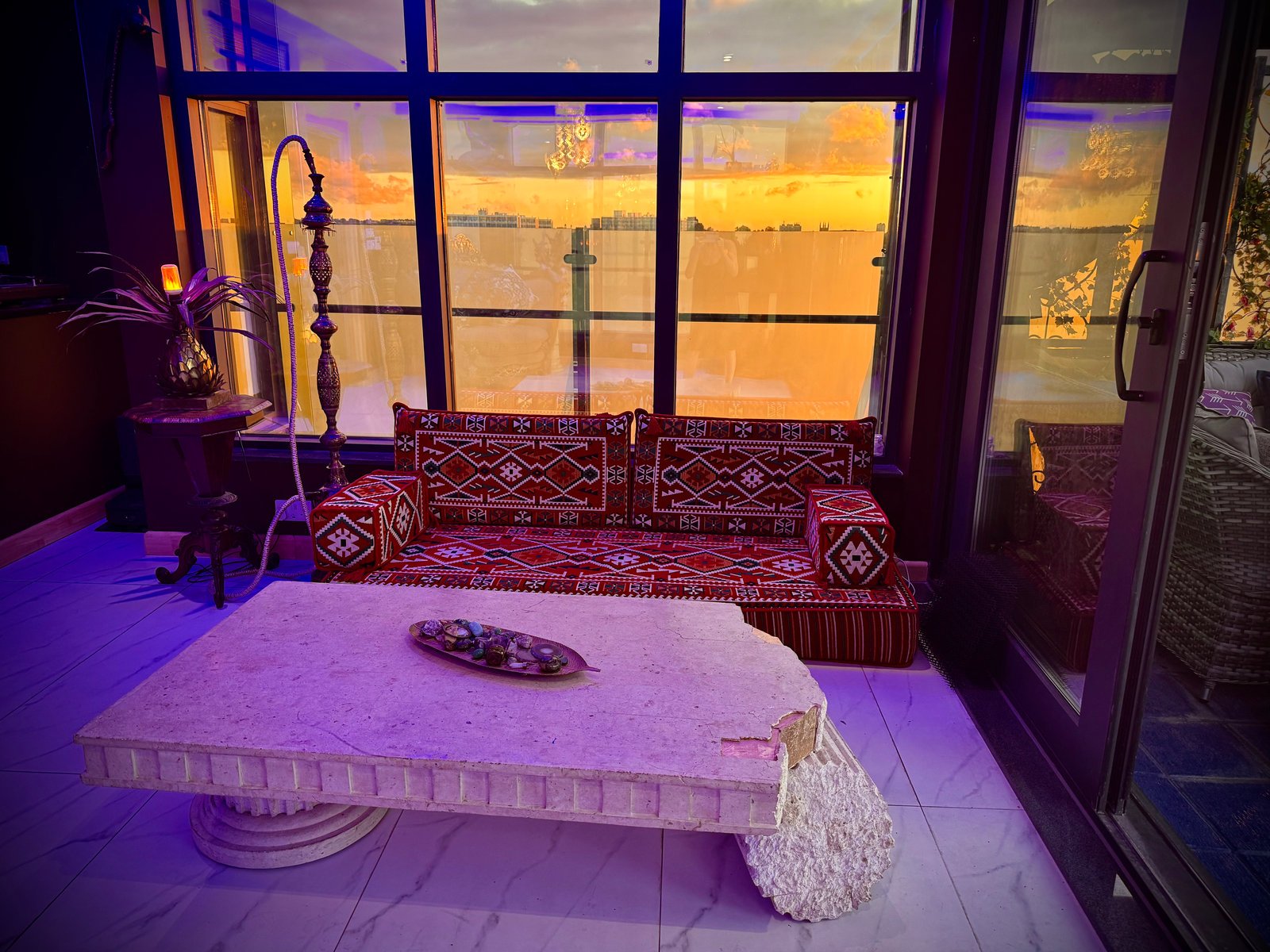
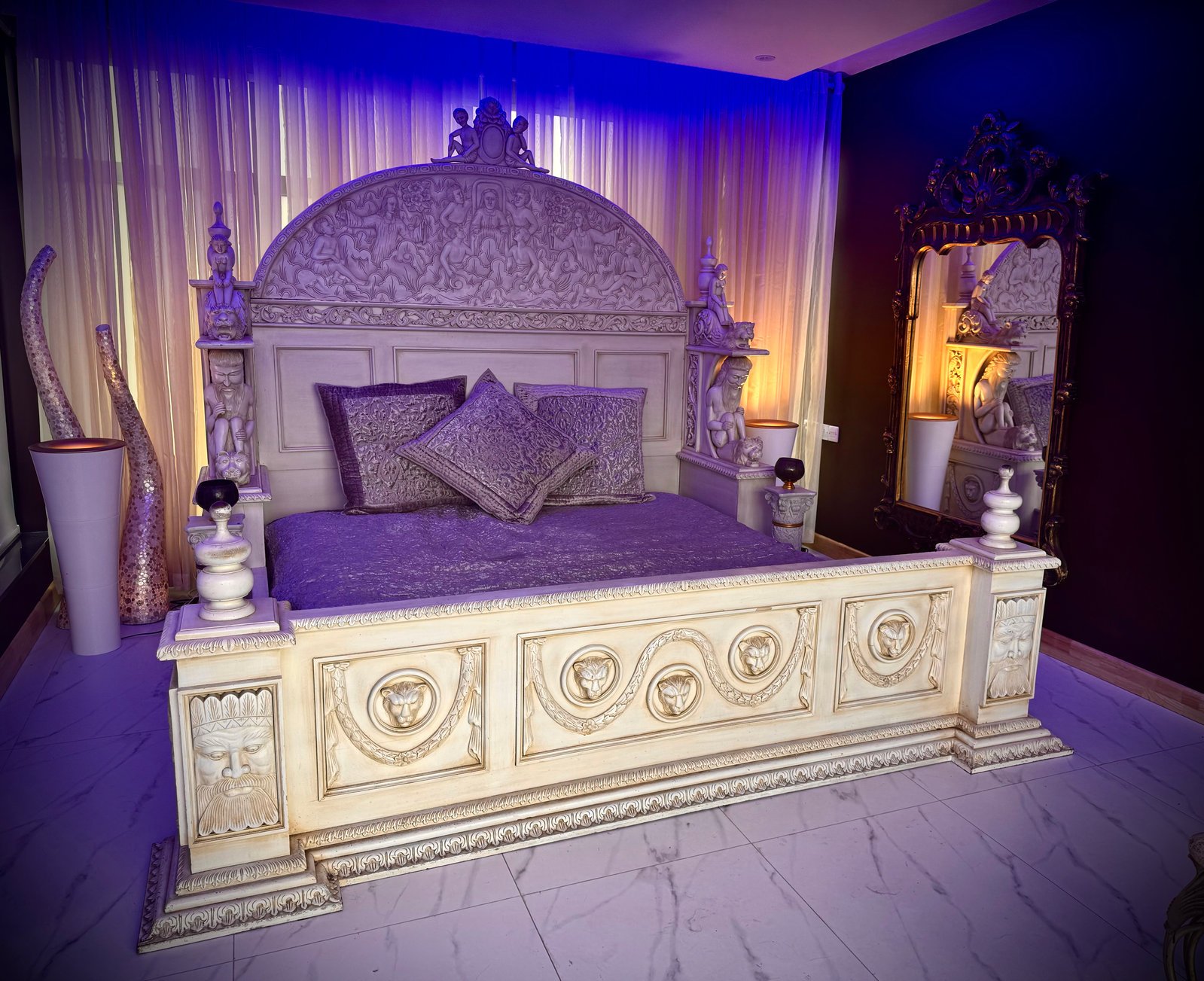
Hire is available by the hour, with a 3-hour minimum rather than a full-day minimum. Bring your own dancers, camera team and other creatives; the space is hired as a location, not as a video production service. For productions needing more than one visual setting, the nearby penthouse offers a contrasting interior location.
See current rates on the website. To discuss your dance shoot or arrange a booking, visit smashyowlstudios.com or email bookings@smashyowlstudios.com.
Shape your next dance shoot
A clear creative brief helps turn your ideas into a workable shoot plan. Before arranging dance video studio hire in London, note the movement style, visual mood and scenes you want to capture. Decide what matters most on camera, then share those priorities with your team.
Use your brief to create a simple call sheet. List the scenes in order, who needs to be present and what each set-up requires. Keep the plan flexible enough for creative changes, while making sure performers and camera crew know what comes next. A shared plan helps everyone arrive ready to work.
Once your concept is taking shape, choose a space that supports it. Send an enquiry with your intended use and preferred dates to start turning your choreography into a considered shoot.
Bring your vision and make the next take your own.
Frequently Asked Questions
Is it worth hiring a studio or using a free space instead?
Hiring a studio can make sense when your shoot needs privacy, consistent conditions or a specific visual setting. Free spaces may work for informal practice, but interruptions, changing light or restrictions on filming can disrupt repeated takes. For a simple social clip, an informal location might be enough. For choreography that needs consistent framing, weigh the hire cost against the time and control a dedicated studio offers.
What should you check before you book?
Check the booking terms, permitted uses, access arrangements and what the hire includes. Confirm that filming and music playback are allowed, and clarify how arrival and departure fit within the booked period. If you’re bringing a larger team or substantial kit, share those details in advance. Ask for the room layout or current photographs so you can plan entrances, camera positions and changes before shoot day.
Which questions should you ask a host before you book?
Ask whether your planned filming, music playback and choreography are permitted, and what facilities come with the space. Clarify the booking start and finish, how access works for your team, and whether you can rearrange anything in the room. If you need a particular stage or mirror arrangement, describe the shot rather than assuming the set-up. Clear answers help you prepare a realistic call sheet.
Dance video studio hire London prices per hour
Hourly rates vary according to the studio, time slot, booking length and facilities. Smashy Owl Studios has separate rates for its spaces, so see current rates on its website before planning your budget. Compare the total hire against your schedule, including set-up and wrap-up, rather than choosing by the hourly figure alone. Optional arrangements can also affect the overall cost.
Which London studios are best for filming dance videos?
Choose a studio to match the movement and look your video needs. Smashy Owl Studios’ Arch is a fully blackout space with a neon runway, baby-grand piano and aerial hoop, making it a distinctive setting for dance and performance shoots. For natural light and varied interiors, The Penthouse offers a different atmosphere. Match the location to your choreography and visual brief, then plan your production around the space.
Do London video studios provide lighting and filming equipment for dance?
Don’t assume cameras or recording equipment are included with a studio booking. The Arch includes lighting equipment, and you can bring your own cameras and other production kit. Plan your set-up around the space. To book directly, visit smashyowlstudios.com or email bookings@smashyowlstudios.com.
Dance video studio hire London prices per hour
Comments