

London Film Studio Hire vs Airbnb: Why Studios Win

Updated: 4 days ago
For a shoot that needs a reliable production setting, dedicated film studio hire is a better fit than renting a residential Airbnb in London. The choice between dedicated film studio hire and a residential Airbnb comes down to purpose: a home is arranged for guests, while a studio is hired as a space for creative work. In London, letting a whole home short-term is limited to 90 nights per calendar year without planning permission.
When comparing dedicated film studio hire vs renting residential Airbnb London, look beyond the nightly rate and consider what your production needs. A residential interior can suit a shoot built around a lived-in home; a dedicated studio is better suited when you need a production-ready space and a setting designed for filming. This guide compares the costs and practicalities, so you can choose the right location for your London shoot.
Table of Contents
Nightly starting prices
A residential Airbnb is usually priced by the night, while production spaces may charge by the hour or booking period. The headline rates therefore do not tell the whole story. Estimate the full time your shoot requires, including set-up, filming, breaks and clearing the space. A nightly booking may be poor value if the production needs only a few working hours.
In London, letting a whole home short-term is limited to 90 nights per calendar year without planning permission. That limit concerns the property’s letting, not permission for your production. A low nightly rate doesn’t establish that commercial filming is permitted, so treat price and use as separate questions.
Before comparing costs, list the requirements for your shoot and note which setting can meet them:
Time: estimate the hours required on location, including loading and reset.
People: account for the cast and crew who need access.
Space: check whether the rooms and layout suit the planned scenes.
Production needs: consider vehicle access, noise, lighting control and any set dressing.
Booking terms: understand what the rate covers and what happens if your schedule changes.
A small interview filmed in one furnished room may suit a residential interior, provided the host explicitly agrees to filming. A fashion shoot with several looks, multiple crew members and repeated equipment moves has different needs. Access, permitted room use and the time available can affect the final cost as much as the listed price.
What permits or permissions are required to film in a London residential property? Get the host’s written permission for filming and commercial use, and agree the rooms, dates, crew access and any changes to the property. Filming on a street or another public location raises separate permission requirements from filming inside the home.
What insurance and liability cover is needed? Arrange cover suited to your production, including public liability and responsibility for damage to the property. Before booking, establish who is responsible for accidental damage and ensure your policy covers the filming activity and location.
What are the risks of filming in a residential Airbnb? Crew movement, repeated takes and equipment can disturb neighbours, cause noise complaints or damage furnishings and surfaces. Agree quiet hours, protect the property and plan equipment routes before filming starts.
Compare the booking’s total cost with your shoot plan, not just its nightly starting price. If permissions, access or neighbour considerations remain unresolved, a residential rental may add uncertainty that its headline rate does not reflect.
Compare the total booking cost with the time you actually need. Short-term lets in the UK typically range from a few nights to several weeks, so a multi-night minimum may affect value even if filming takes less time. Use these considerations to frame your budget, then review the specific listing and terms before booking.
Parking and other amenities
Parking and load-in can shape a London shoot before the first case leaves the vehicle. A residential address may have permit controls, limited kerb space or a narrow entrance. A dedicated production space may have different access arrangements, so compare the location with your load-in plan. A crew carrying stands and cases needs a practical route from vehicle to shooting area, not simply a nearby street.
Build an access plan around the production rather than assuming a listing’s amenities tell the whole story. Check where the crew can unload, how far equipment must travel and whether large items fit through doors and corridors. Consider where cast and crew can wait between takes, too. A home arranged for overnight guests may not have practical holding space for a busy shoot.
London rental listings often advertise useful amenities: 43,070 holiday rentals have a dedicated workspace, 103,880 include Wi-Fi access and 840 have pools. Those figures describe holiday rentals overall, not filming permissions or production suitability. A desk and internet connection may help a remote worker, but they don’t establish that a room can accommodate lights, a camera team or repeated takes.
How do studio and Airbnb hire compare for space, lighting, power and soundproofing? A residential rental is furnished for living, so room layout, natural light and available sockets vary by property. Studios are designed for production, but specifications vary too. Compare usable floor area, lighting provision, power access and sound conditions with your shot list.
Before booking, match each production requirement to the space:
Parking and loading: plan the route from the vehicle to the set, including bulky cases.
Working space: match room dimensions and furniture to camera positions and crew movement.
Power and lighting: identify sockets, lighting arrangements and any equipment your team brings.
Sound: consider street noise, neighbours, appliances and voices in adjacent rooms.
Facilities: decide whether your shoot needs a workspace, Wi-Fi, a pool or somewhere to change.
A quiet interview with a compact crew may fit a residential room, while a product shoot with several lighting positions benefits from a clear layout and predictable access. Neither a Wi-Fi listing nor a pool guarantees suitable production conditions. Focus on what your schedule and set-up actually require.
Write a short requirements list before comparing locations. It helps separate guest comforts from production essentials, and makes trade-offs visible. If you’re weighing access and amenities for a London shoot, discuss your production requirements as part of your planning.
In London, 35,560 holiday rental properties offer extra space and child-friendly amenities. That may be relevant when a shoot needs room for people or a place for families, but it does not establish that any particular property has a suitable set-up. Check the specific rooms and access arrangements. BBC Verify found about 1,300 London Airbnb listings reusing identical images from other supposedly unique listings. Treat photographs as a starting point rather than proof of a property’s layout, and confirm that the images correspond to the exact address before relying on them for a production plan.
What is the average cost to hire a film studio in London per hour or day?
There is no single useful London-wide average for hourly or daily film studio hire. The total depends on the space, booking length and production requirements. Compare like with like: a simple product catalogue shoot and a music performance filmed with a larger crew need different spaces and schedules. A headline rate alone cannot show which option offers better value.
Start with the booking length. Hourly hire can suit a short, tightly planned session, while a day rate may make sense when filming, set-up and pack-down take longer. Count the full time on location, not only the time cameras are rolling. Include any time needed to dress a set or reset between scenes.
Next, list the requirements that could affect the space and booking:
Production type: a tabletop product shoot has different layout needs from a filmed performance.
Space and access: consider the set footprint, crew movement and how equipment reaches the shooting area.
Lighting and control: identify whether you need natural light, blackout conditions or a particular level of control.
Facilities: check which features are part of the hire and which needs your team must arrange.
Schedule: include arrival, preparation, filming, resets and clearing the space.
A compact product shoot may need one set and a short booking. A campaign with several scenes may need more time for wardrobe changes, lighting adjustments and set dressing. The second project could cost more because of the hours and space required, even before other production arrangements are considered.
To compare quotes, give each venue the same brief. State the shoot type, expected crew, planned set-up, access needs and approximate schedule. Ask for the total hire cost and what it covers. This is more useful than comparing an hourly figure with a daily figure without checking the terms.
Budget for the full production day, not just the room rate. Add your own costs for crew, transport, equipment and other arrangements the shoot needs. Keep these separate from location hire to see what the space itself costs.
Finally, choose the booking structure that matches your call sheet. A short shoot with a firm finish may suit hourly hire; a complex schedule may need a longer block. Rework the timings before confirming, especially if your plan includes multiple scenes or a full set change. That gives you a more realistic comparison of hourly and daily options, without relying on an average that may not reflect your project.
There is no single useful average cost: the price depends on the space, booking length and production requirements. Compare quotes using the same shoot brief and schedule, and check what each hire includes.
Do London Airbnb hosts need to approve filming or commercial use?
Yes. Get the host’s explicit approval before using a residential Airbnb as a filming location. An accommodation booking alone does not tell the host what your production involves. Explain the intended use clearly and keep their response with your production records.
Give the host a concise brief before committing. Include the project type, how the footage will be used and the scenes you plan to film. A quiet interview for a company website has a different footprint from a fashion campaign with several people and set changes. Clear details help everyone understand the booking.
Be specific about the scope. For example, don’t describe it as a “small shoot” if you’re bringing a camera team, lighting and talent. Set out:
Production purpose: describe whether it’s an interview, advert, editorial or branded video.
People attending: share the expected crew and talent, including any visitors.
Rooms and areas: identify the spaces you want to film and any that remain off limits.
Set-up: explain equipment, furniture adjustments and props that could affect the home.
Timing: outline arrival, filming, breaks and pack-down so the host understands the day’s rhythm.
Ask for the agreed details in writing. If the host approves filming in the lounge but not moving furniture, record that before production day. If the project changes after booking, such as adding talent or filming another room, share the update and get agreement before changing the plan.
Be precise about how you’ll use the footage. A host may view private portfolio work differently from a paid brand campaign or advert. Say whether the content is commercial, where it may appear and whether the property will be identifiable. Do not assume approval for one kind of filming automatically covers another project or use.
Keep the crew brief consistent with what you have agreed. Share any boundaries around rooms, furniture, noise, access and timing before arrival. This helps avoid misunderstandings when the director is ready to roll and the crew is setting up.
If the host is not comfortable with the proposed production, choose a location intended for filming rather than presenting the shoot as an ordinary guest stay. A clear agreement gives everyone a shared plan and helps you decide whether a residential setting suits the project.
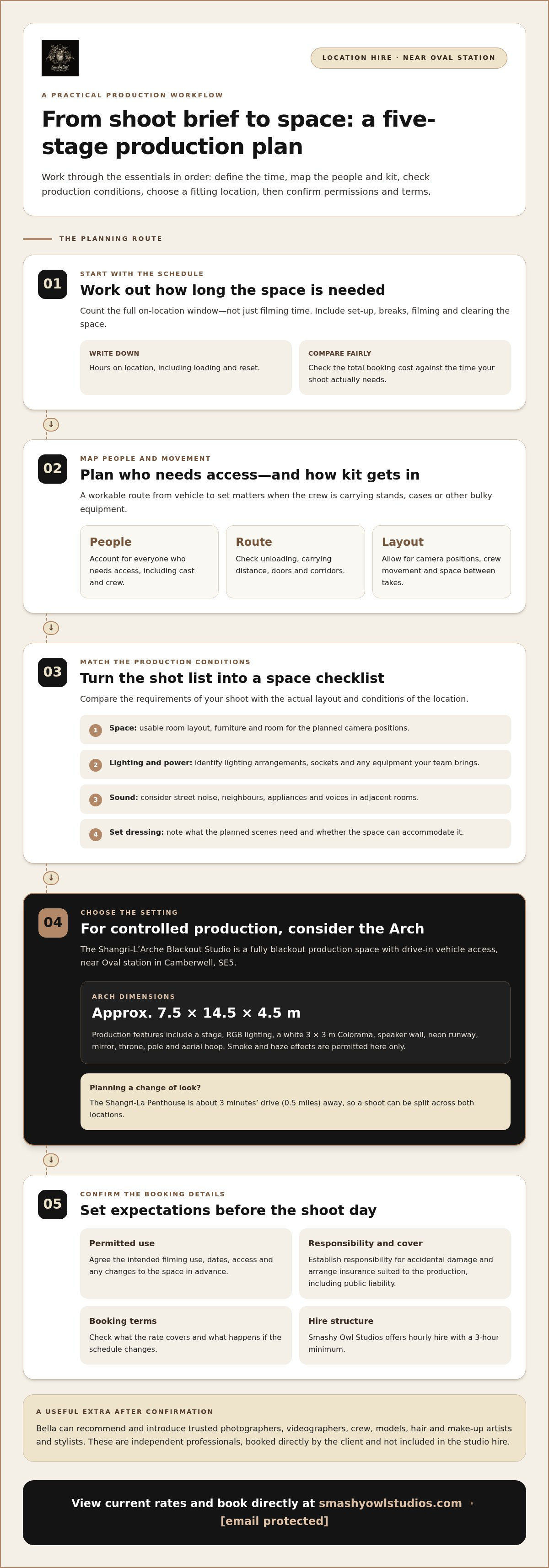
Smashy Owl Studios: Film location hire london
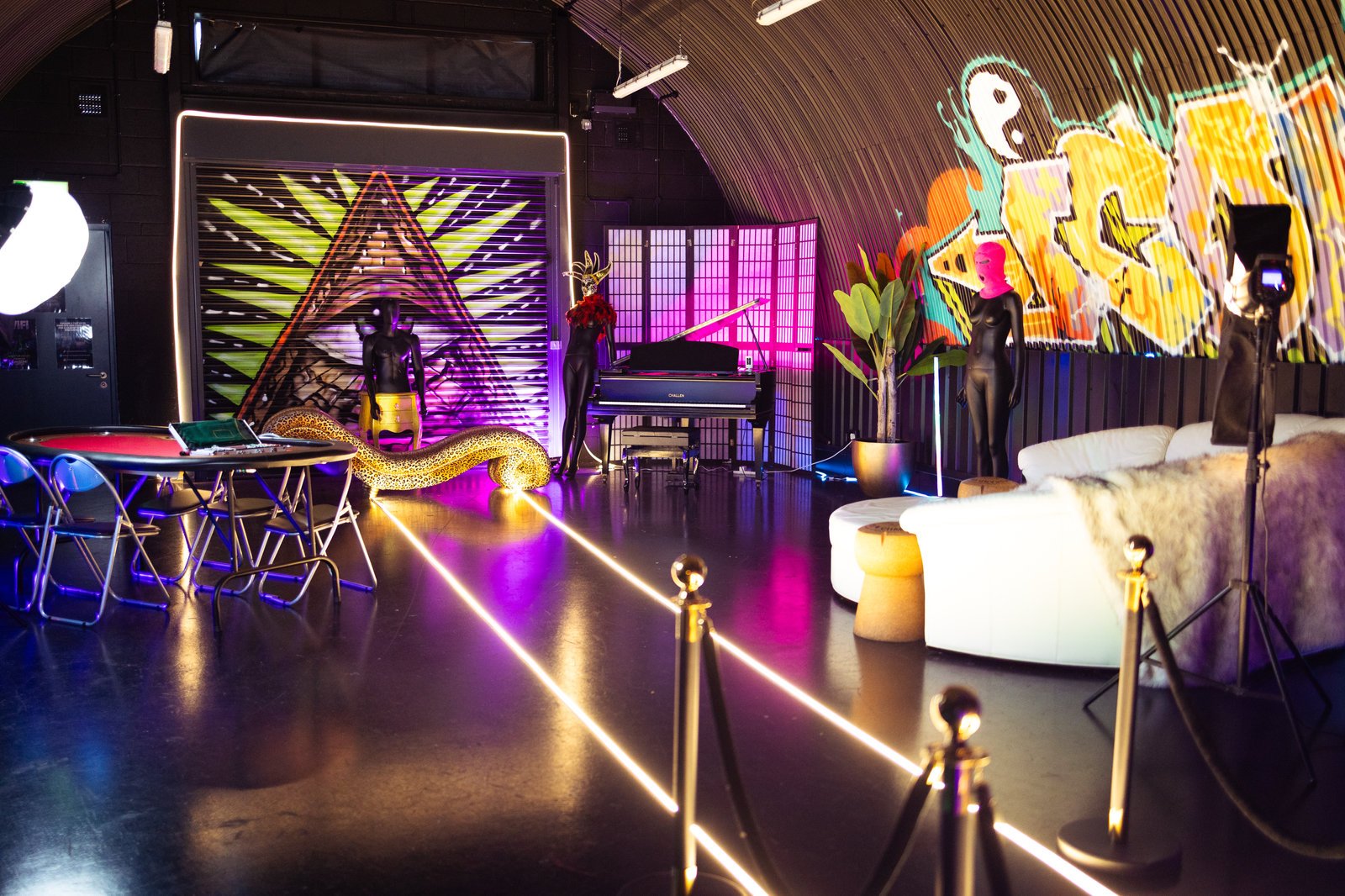
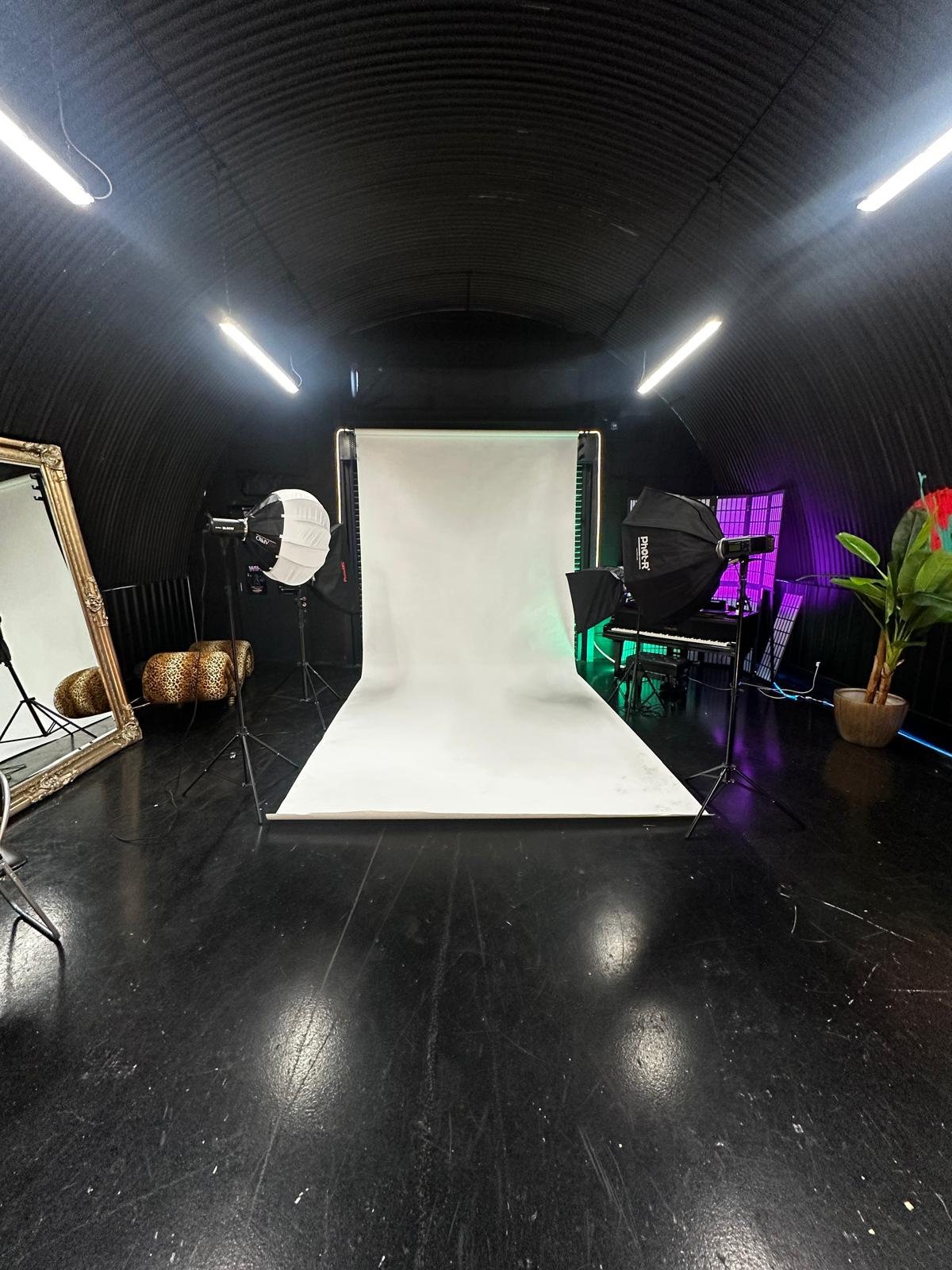
Smashy Owl Studios offers dedicated film location hire for productions that need a professional setting rather than a residential guest space. Near Oval station in Camberwell, SE5, its fully blackout Arch suits filming where controlled light and a distinctive backdrop matter. Drive-in vehicle access also helps simplify equipment loading.
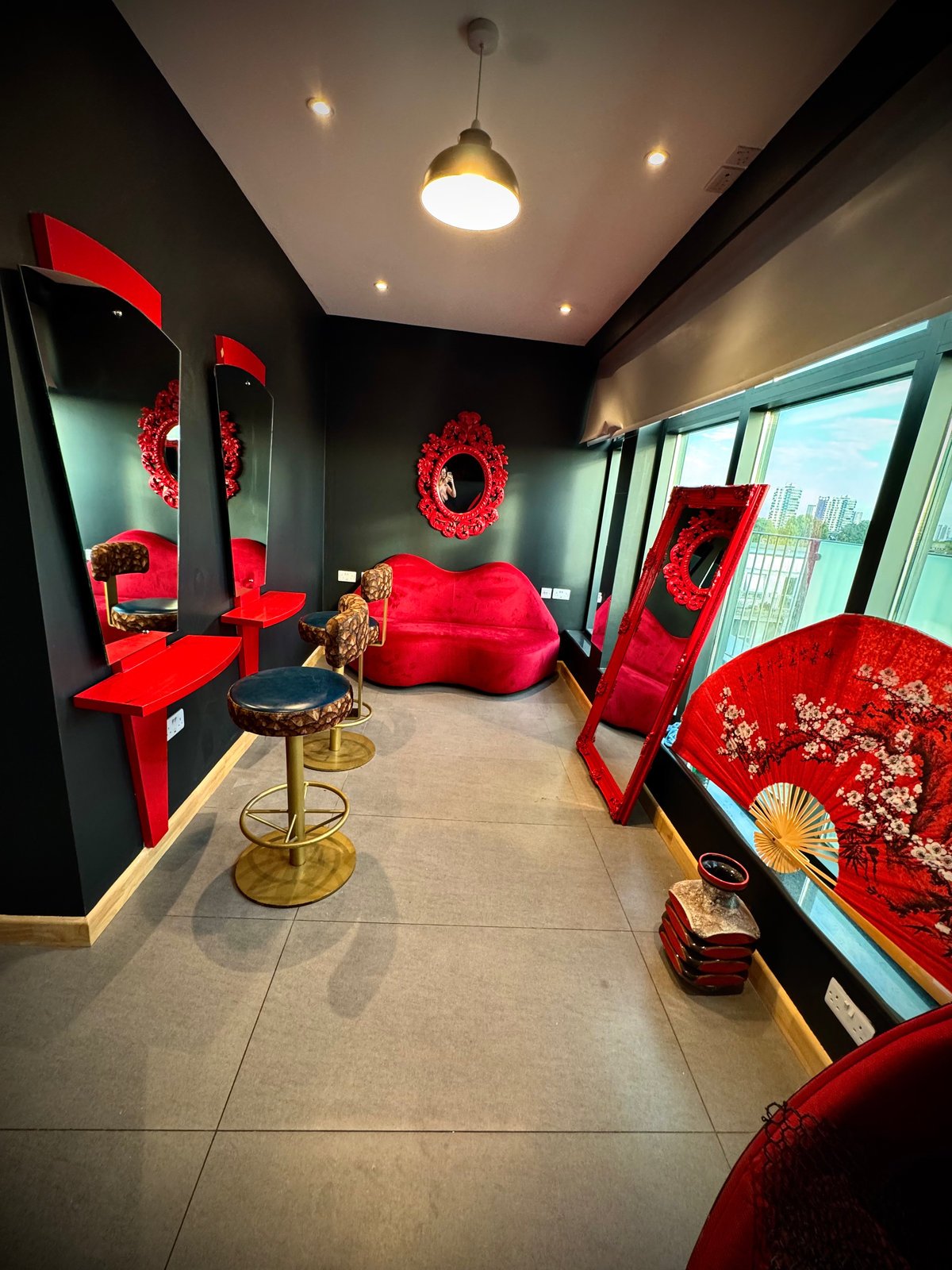
For a contrasting look, the Shangri-La Penthouse offers luxury interiors and panoramic London skyline views. The two locations are about 3 minutes’ drive apart, so a shoot can move between them. Hourly hire with no minimum booking gives productions an alternative to a full-day booking. Photographers, filmmakers and content teams bring their own creatives and production crew.
Explore Smashy Owl Studios’ spaces and current rates at smashyowlstudios.com, or email bookings@smashyowlstudios.com to discuss your booking.
Shape your next shoot around the right space
Choosing dedicated film studio hire over renting a residential Airbnb in London starts with a clear production brief. Decide what you need the location to make possible, then shape your schedule and creative plan around that vision.
Before booking, bring your visual references, shot list and practical requirements together. A shared plan helps your team make confident decisions and arrive ready to work.
Smashy Owl Studios can help you explore a suitable setting for your production. Get in touch to discuss your plans.
Give your next idea room to take shape, with a London location that supports the story you want to tell.
Frequently Asked Questions
Where can crews find dedicated film studios and filming-friendly homes in London?
Crews can hire dedicated production spaces from Smashy Owl Studios near Oval station in Camberwell, SE5. The Arch suits projects needing a controlled backdrop, while the Penthouse offers a residential-style interior for lifestyle and editorial scenes. For a residential home, get the owner’s agreement for the proposed production before booking. Match the location to your brief, crew set-up and intended shots.
To book directly, visit smashyowlstudios.com or email bookings@smashyowlstudios.com.
Comments