

London filming spaces for agency productions

Updated: Nov 3
Yes, a London studio can still be worth it for agency productions. London ranks third among cities for filmmaking, and its filmmaking sector generated £10 billion for the UK economy over five years. Choosing a filming space in London to boost agency production credibility means weighing that creative environment against practical needs such as access, facilities and costs.
A prestigious location helps only when it works for the production and the people involved. The right setting should support the creative brief, make client reviews straightforward and help the team work efficiently.
This article explains how London’s production environment can support agency credibility, what to look for in a filming space, and how access and facilities shape the working day. It also covers the costs to factor into your decision, so you can choose a location that fits the brief and budget.
Table of Contents
Connectivity, client viewing areas and crew facilities
An agency can choose a London studio that strengthens production credibility by matching its facilities to the brief, client experience and crew workflow. Assess connectivity, viewing arrangements and practical working areas alongside the look of the space. London ranks third among cities for filmmaking, and its production environment offers agencies a distinctive creative setting.
Start with the client’s role on shoot day. If they need to review takes, plan a clear viewing position with a direct sightline to the monitor. For a campaign interview, seat clients away from the camera path and crew movement. This helps feedback happen smoothly without interrupting filming or crowding the set.
Next, map the production’s digital workflow. Consider whether the team needs to share reference files, review remotely or transfer material during the shoot. Check the studio’s connectivity against those tasks and identify a backup plan for important reviews. Don’t assume that a polished set also has the network capacity your workflow requires.
Crew facilities matter too. A production office or quiet work area gives the producer space to manage schedules, calls and shot lists. A separate break area helps keep cases, coats and paperwork clear of the filming space. On a fashion shoot, separate zones can help the team move between styling, client review and camera setups.
London’s filmmaking sector generated £10 billion for the UK economy over five years, with billions invested in the UK’s creative industries annually. Those figures reflect a substantial production ecosystem, but studio success still depends on fit. Before booking, list the client’s viewing needs, crew work areas, connectivity requirements and post-production demands. Then compare the booked space’s facilities against that list.
Crew travel, parking and equipment access
Which London studios include sets, props, lighting and production equipment? Look for clear hire details that itemise what the space provides and distinguish included facilities from equipment the production must bring. Match each item to the shoot’s purpose, from lighting and set pieces to camera support and grip requirements.
Plan crew travel and equipment movement as one route. Some city-centre studios have restrictions on loading times, vehicle access, parking and equipment deliveries. For a camera crew carrying cases, stands and lighting, a difficult final approach can slow setup before filming begins. Map the journey from the nearest suitable road or station to the studio entrance.
Before committing, set out the access sequence: crew arrival, vehicle unloading, equipment movement and parking. Consider road links, public transport, parking, loading areas and client convenience. These details help production managers schedule call times and keep the day running smoothly. A location that suits public transport may still be awkward for a vehicle carrying larger technical kit.
Separate included equipment from the crew’s own camera, lighting and grip package. A studio may provide a prepared set or selected props, while the production brings cameras, lenses, stands and other specialist gear. Build a simple inventory against the shot list. For an interview, confirm the backdrop and lighting provided, then assign cameras, sound kit and support equipment to the crew.
Use a written access and equipment plan to prevent avoidable delays. Record arrival routes, loading arrangements, parking needs and the division between studio facilities and crew-supplied kit. Clear details assist the production team and keep the client-facing schedule realistic. For a practical starting point, review production space access details alongside your shot list.
Hidden costs of London shoots
A location’s hire fee is only one part of a London shoot budget. Build a fuller estimate around travel, parking, loading, equipment movement and setup time. Each item affects how smoothly the production runs. For an agency planning a client-facing campaign, a clear cost breakdown also makes approvals and expectations easier to manage.
Start with vehicle parking. Parking arrangements and any additional charges vary by location, so confirm the details before booking. This is especially important for a production carrying camera cases, lighting stands or set materials. Include parking in the initial budget rather than treating it as an arrival-day detail.
Map the journey from the crew’s starting point to the studio entrance. Some city-centre studios have restrictions on loading times, vehicle access, parking and equipment deliveries. These can affect call times and how many people are needed to move kit. A team arriving with several cases should plan who unloads, where equipment goes and how the vehicle is handled afterwards.
Build a production cost checklist before confirming the location:
Travel: account for crew journeys and the route taken by equipment vehicles.
Parking: identify the parking arrangement and whether van parking adds a cost.
Loading: plan around access windows, delivery arrangements and the distance to the filming area.
Equipment: list what the crew brings, then consider the transport and handling needed.
Time: schedule arrival, unloading, setup and pack-down within the shoot plan.
These details help agencies compare locations on more than appearance alone. A compelling-looking studio may still need extra coordination if access is restricted. A location with practical loading arrangements, by contrast, can better accommodate a detailed call sheet and reduce avoidable pressure on the production team.
Consider the cost of moving between locations, too. If a shoot uses separate places for different scenes, include the transfer of people, kit and props in the schedule. Group scenes by location, identify what must travel and allow time for the move. This is especially useful when a campaign needs distinct visual treatments without losing control of the day.
Finally, separate confirmed costs from planning allowances in the budget. Label each line clearly, such as parking, travel, loading and equipment transport. This gives the producer a useful overview of the production requirements and helps the agency explain the practical benefits of its chosen space. For London shoots, transparent planning turns logistical details into manageable decisions rather than last-minute distractions.
London’s film and video production infrastructure
London’s production infrastructure is an advantage when an agency needs more than a striking backdrop. Production companies, creative agencies, talent, suppliers and equipment hire businesses form a connected working environment. That network can help with securing people, services and locations for a brief. The practical takeaway: choose a studio that fits the production plan, then consider how its location connects with the wider team.
For an agency producing a brand campaign, being near clients and creative partners can simplify meetings and shoot-day coordination. Transport links also matter when contributors arrive from different parts of London. Map the crew’s journey alongside the client’s route, then weigh both against the look and facilities required. A central address may suit a client-facing production, while another part of London may better fit the creative brief.
Set-build flexibility depends on the booked space and its layout. For a campaign requiring a bespoke room build, confirm that the intended design, materials and working layout suit the available area. For a simpler interview set, an existing studio environment may reduce the need for extensive construction.
Outdoor filming also changes the location decision. If a production needs both an interior scene and exterior footage, plan the sequence around location changes, crew movement and continuity. If the concept is entirely studio-based, prioritise controlled conditions and access to the required production suppliers.
Use this short decision sequence to connect London’s film ecosystem to your brief:
Define the creative need: list the visual style, set requirements and whether outdoor scenes matter.
Map the team: identify where clients, crew, talent and production suppliers are coming from.
Match the location: compare transport convenience with space for sets and the required filming environment.
Plan support: identify which production companies or suppliers the agency needs to coordinate.
London’s infrastructure supports productions through access to talent, suppliers, equipment hire businesses and transport links. Those advantages don’t make every location equally suitable. Choosing a space that aligns with the production’s scale, build needs and client journey turns the city’s creative network into practical value. For agencies, a considered location can strengthen the client experience and keep the creative approach grounded in the realities of the shoot.
What London film studios offer space for agency productions?
London studios can provide settings for film and television productions, brand campaigns, commercials, editorial photography, fashion shoots, music videos and creative content. A filming space in London can boost agency production credibility when its look supports the brief and feels intentional to the client. A polished interior may suit a brand portrait, while a controlled studio environment can support consistent product shots or interviews.
Start with the intended output. For a commercial, identify the scenes, camera positions and visual changes the brief requires. For editorial photography, consider whether the location itself creates the atmosphere the creative team wants. A music video may need a dramatic, adaptable backdrop, while an interview often benefits from a quieter, uncluttered frame. The best filming space in London to boost agency production credibility serves the concept, not simply the most elaborate room.
Different studio environments support different production choices. A daylight space can suit natural-looking portraits and fashion imagery. A blackout studio gives the crew greater control over ambient light and background, helping create a consistent campaign look. A location with distinctive interiors may add character without requiring a built set.
Use this sequence to compare spaces against the brief:
List the deliverables: name each format, such as campaign stills, interviews or short-form video.
Identify the visual requirements: note daylight, controlled lighting, distinctive interiors or a plain background.
Map the shoot: account for camera setups, client viewing and crew movement.
Prioritise essentials: separate features required by the concept from attractive extras.
That final step keeps the choice focused. A studio with the right background and usable layout can help an agency present a considered production plan. Each feature should have a purpose, whether it supports consistent product imagery or a more expressive fashion story.
London offers spaces for varied production briefs, but no single studio suits every format. Match the location to the finished work, the crew’s process and the client experience. That’s how a filming space in London can boost agency production credibility while working practically behind the camera.
Smashy Owl Studios: Photo studio hire london
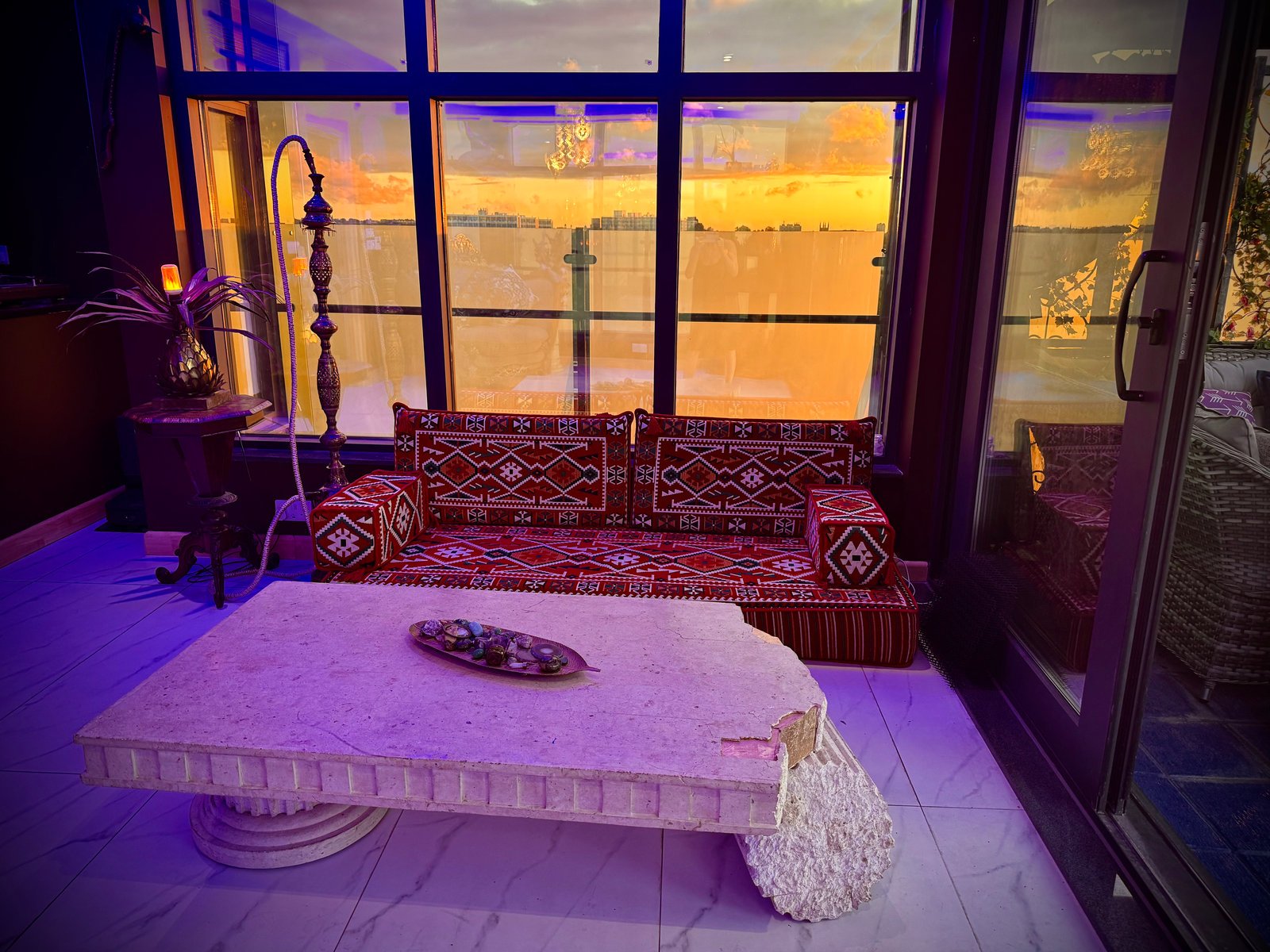
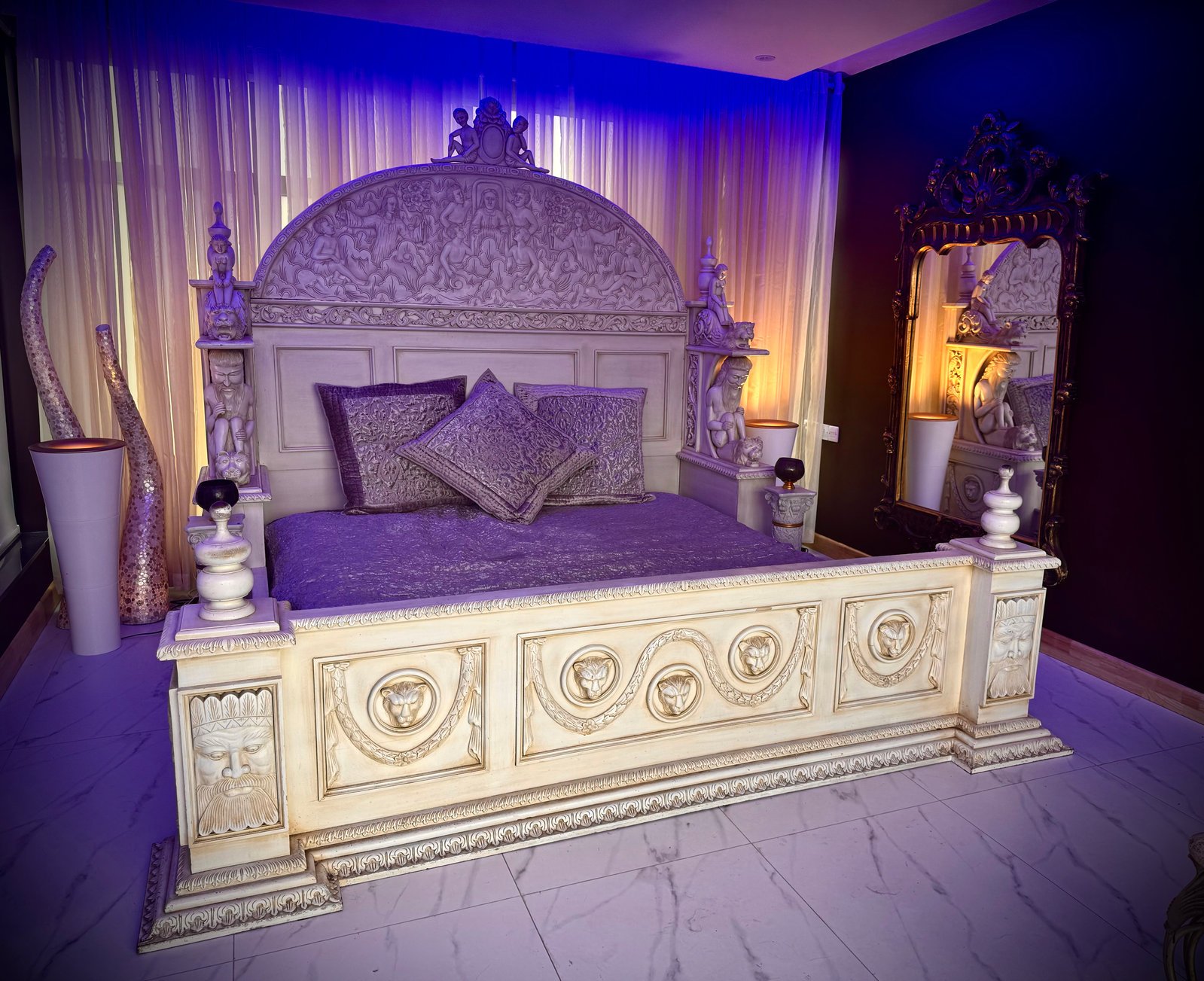
Smashy Owl Studios offers two shoot spaces near Oval station in Camberwell, SE5, for agency photography, filming, music videos and content creation. Choose the fully blackout Arch for controlled production, with drive-in vehicle access, a stage and distinctive set features. The Shangri-La Penthouse offers luxury interiors and panoramic London skyline views. The two locations are 0.5 miles apart, so a production can split its shoot across both.
Hire is hourly, with no minimum booking, giving agencies a shorter booking option than a full-day minimum. You bring your own photographers, crew and creatives. After a booking is confirmed, Bella can recommend independent professionals who you book directly. See current rates on the website.
For a production space that fits your brief, contact Smashy Owl Studios or visit smashyowlstudios.com.
Make your next location choice part of the creative idea
Bring the location into the creative conversation early. Connect its atmosphere to the campaign message and intended audience, rather than treating it as a backdrop chosen after the concept. This gives your team a clear creative rationale and helps clients understand how the setting supports the work. It can also shape how you present the production plan, from the first visual reference to the final frame.
Choosing a filming space in London to boost agency production credibility means finding a setting that feels intentional on camera and relevant to the brief. Start with the feeling you want the finished content to convey, then consider which environment will express it. A distinctive space can become part of the story, not just the place where the shoot happens.
Before you commit, picture the finished work in front of your client. Does the setting reinforce the idea? Can your team explain why it belongs in the proposal? A confident creative choice starts with that connection between concept and place.
Ready to explore a space for your next production? Contact Smashy Owl Studios today and take your next creative idea forward.
Frequently Asked Questions
Is a London Studio Still Worth It?
Yes, when the studio’s setting and facilities serve the brief better than the alternatives. It can be especially useful when an agency needs a consistent background, controlled filming conditions or a distinctive visual setting. For example, a product campaign requiring repeatable shots may benefit from a studio environment. Weigh that creative fit against travel and production logistics, then choose the location that makes sense for the finished work.
Looking for large spaces to film in?
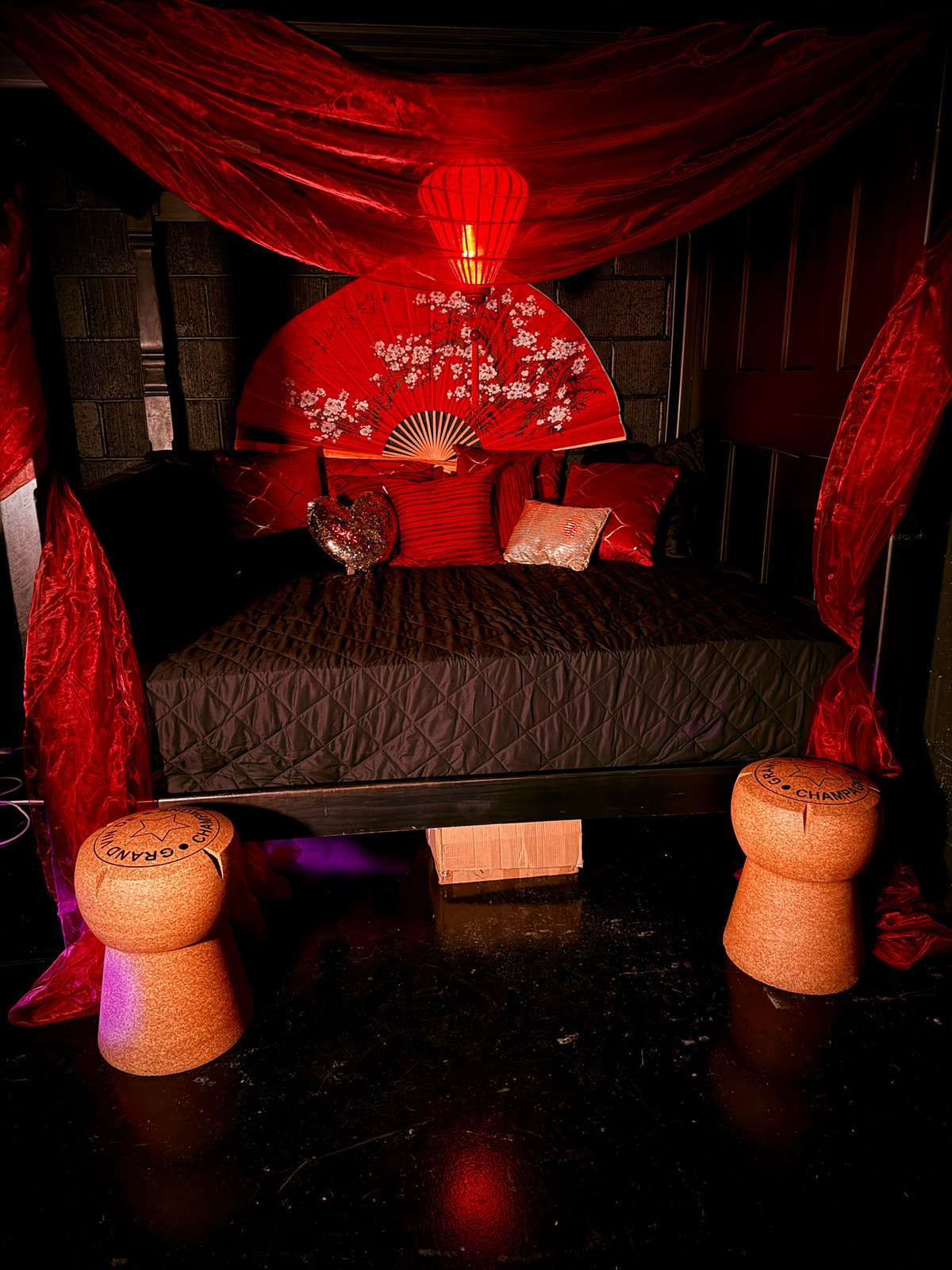
The Arch is a fully blackout studio measuring approximately 7.5 x 14.5 x 4.5m. It has drive-in vehicle access, a stage, baby grand piano, RGB lighting, neon runway, mirror, throne, pole, aerial hoop, white 3x3m Colorama, speaker wall and UV graffiti. Smoke and haze effects are allowed at the Arch only. Use the planned set, camera positions and movement to decide whether its floor area suits your production.
What filming studio space works best for client testimonials, branded content and commercials?
Choose a space that supports the intended image and how the content will be filmed. A testimonial may suit a quieter, uncluttered background, while branded content might benefit from distinctive interiors. For commercials requiring consistent lighting, a blackout studio offers a controlled environment. Before choosing, outline the key shots and the look you want clients to see, then match those needs to the studio’s setting and layout.
What is included in a London studio hire and what costs extra?
At Smashy Owl Studios, items shown in studio photographs are included unless stated otherwise. Lighting equipment shown in Arch photographs is included, and Penthouse bookings include the fully heated rooftop hot tub. Productions can also bring their own props, equipment and lighting. Rates depend on the space and booking details, so use the current rates on the website when planning your production budget.
How do London studio spaces compare with filming on location or in-house?
A studio offers a dedicated setting that can give a production more control over its visual environment. A real-world location may provide a specific atmosphere, while an in-house shoot can be practical if the workplace suits the story. For example, an agency could choose a studio for a campaign requiring a backdrop unavailable at its offices. Compare the creative needs, access and setup requirements before deciding.
What risks should agencies check before booking a filming space in London?
Check that the intended scenes, equipment and access arrangements suit the space. For vehicle filming at the Arch, vehicle suitability must be confirmed before booking. Smoke and haze effects are permitted there only. Plan how the crew and kit will move through the location, and consider whether distinctive setting details suit the brief. A clear shot plan helps the agency identify practical constraints before production day.
Which London areas have convenient studio access, parking and transport links?
Convenience depends on where the crew and client are travelling from, and whether the production needs vehicle access. Smashy Owl Studios is near Oval station in Camberwell, SE5, South London. Parking options are available nearby, with recommendations provided at booking. Map the crew’s route and equipment drop-off plan together, then consider which arrival method best suits the call time and kit. To book directly, book through Smashy Owl Studios or email bookings@smashyowlstudios.com.
Comments