

London Skyline Filming Locations for Lifestyle Brands

Updated: Nov 7
A skyline alone rarely carries a lifestyle shoot. The best aspirational lifestyle filming location in London for a skyline-led brief pairs the view with interiors that support the same visual story. Practical access matters too: filming in public spaces may require permission, depending on the production.
A striking city backdrop can set the mood, but a home gives the story somewhere to unfold. Room variety, natural light and brand-appropriate details all shape the final look. A private location can also give a production more control over its surroundings.
Choose a setting that works on camera and suits the way your team plans to shoot. This guide explores skyline backdrops, London homes and practical details to help you match a location to a fashion, lifestyle or commercial brief.
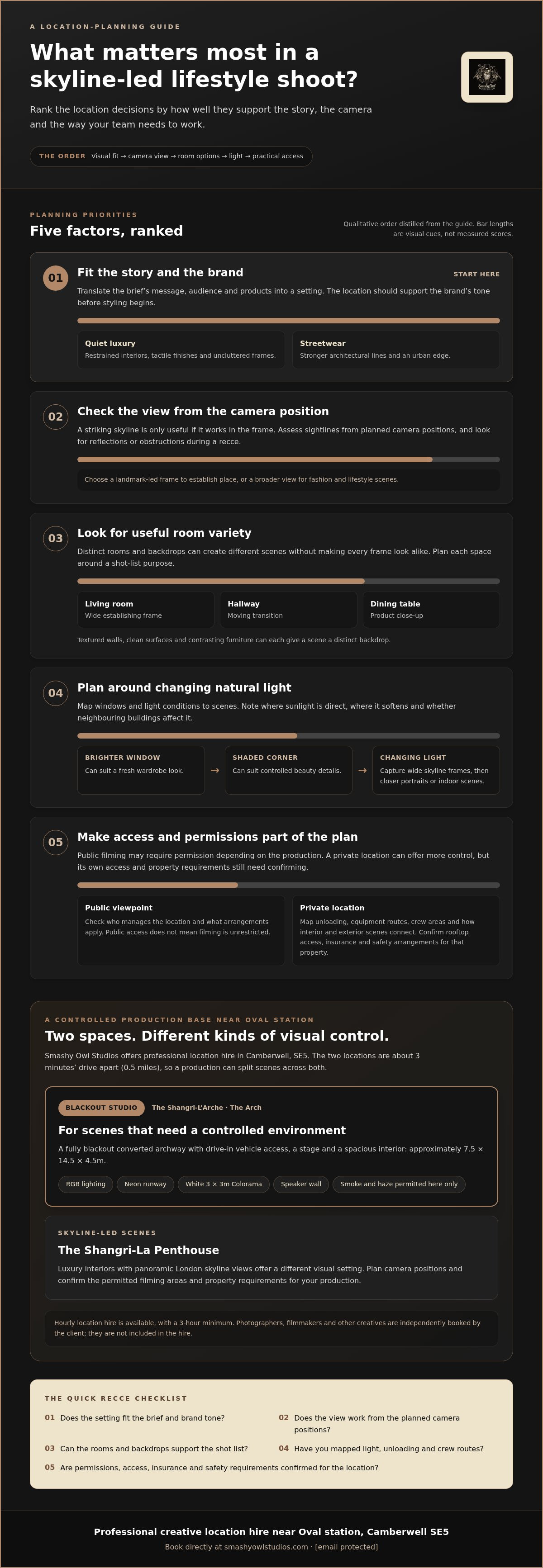
Table of Contents
1. Skyline backdrops for fashion, lifestyle and commercial productions
St Paul’s Cathedral and Tower Bridge bring instantly recognisable London landmarks into skyline shots. Primrose Hill, north of Regent’s Park, offers panoramic city views. Choose a viewpoint that suits the frame: a landmark-led composition to establish place, or a broader backdrop for fashion and lifestyle scenes.
Filming on public land in central London may require permission, depending on the production. Find out who manages the location and what arrangements apply to your filming plan. A small editorial setup and a larger commercial production may have different practical needs, especially around crew, equipment and how much public space the shoot uses.
A private location can give a production more control over access and the filming environment. Before booking, map out where equipment will be unloaded, which areas the crew can use, and how indoor and exterior scenes connect. These details help build a realistic schedule and keep the visual plan workable, especially when the skyline is only one part of the shoot.
Rooftop access, insurance and safety arrangements depend on the property and production. Settle permitted filming areas, access and the location’s requirements before finalising the shot list. Don’t assume one rooftop’s arrangements apply to another: the surface, access route and planned activity can all affect the conditions.
For a free or low-cost starting point, consider a public skyline viewpoint such as Primrose Hill rather than hiring a private venue. Public access doesn’t mean filming is unrestricted; permission may depend on the production. Keep your setup practical for the location and plan an alternative framing option if the viewpoint doesn’t suit your crew or equipment.
For luxury lifestyle content overlooking the River Thames and London skyline, look for a private riverside home or penthouse with clear sightlines. Assess the view from the planned camera positions, not just from the windows. Including the river can establish a sense of place, while a tighter composition can keep the subject, wardrobe or product central.
For sunset and blue-hour filming, plan a sequence around the changing natural light. Capture wide skyline frames while the city is bright, then move to closer portraits or indoor scenes as the exterior darkens. A location with both views and usable interior spaces gives you more flexibility if the light shifts.
Before choosing, compare the setting, access route and view from camera height. A short recce can reveal window reflections, obstructed sightlines or a difficult equipment route. Match those practical details to the brief, then decide whether a public viewpoint or private location better supports the production.
2. London homes for lifestyle photography and filming
A London home can make a campaign feel lived-in, polished or quietly luxurious. Start with the story: a kitchen suits a breakfast scene, while a calm bedroom can frame skincare or fashion details. Choose spaces that support the brand’s world rather than relying on styling to make every room fit. A recognisable setting helps audiences understand the scene before the product appears.
Assess the range of rooms and how each can serve the shot list. A living room might provide a wide establishing frame, a hallway a moving transition, and a dining table a product close-up. Look for distinct backdrops within the property, such as textured walls, clean surfaces and contrasting furniture. That variety can create fresh scenes for several campaign assets without making every frame look alike.
Natural light changes across a home, so map the windows to your planned scenes. Note which rooms get direct sunlight, where the light softens and whether neighbouring buildings affect it. Match each setup to the conditions: use a bright window for a fresh wardrobe look or a shaded corner for controlled beauty details. A room-by-room recce gives your photographer or filmmaker useful options before the shoot.
Check the production layout as carefully as the visual finish. Identify where wardrobe can be organised, where hair and make-up can work, and where clients can review images or footage. A spare room might suit styling, while a dining area could serve as a client-viewing space between takes. Keep crew routes clear between these areas and the active set, especially when moving stands, cases or clothing rails.
Record practical details during the recce: entrance dimensions, stair access, room connections and the route from unloading to the filming space. A ground-floor living room may simplify moving larger cases; an upper-floor bedroom may offer a stronger window composition. Confirm which rooms are available for filming and how furniture can be repositioned. These checks help build a realistic schedule around the actual property.
Finally, consider whether the home’s existing character serves the brief. A polished contemporary interior can support a minimal fashion campaign; books, ceramics or layered textiles may bring warmth to lifestyle scenes. Keep a short reference list of essential details, then plan frames around what the property already offers. For a location-led shoot, share your creative brief and location requirements to discuss a suitable setting.
3. Choosing a location to match a creative brief
Start with the brief’s central message, then translate it into visual choices. A campaign about quiet luxury might call for restrained interiors, tactile finishes and uncluttered frames. A streetwear launch may need stronger architectural lines and an urban edge. Note the intended audience, key products and required shots before comparing London shoot locations.
Ask what story the property communicates before styling begins. A polished home can suggest considered living; an industrial setting can feel raw, contemporary or performance-led. Neither look is automatically right. Match the setting to the brand’s tone, then check that its existing details support the message rather than compete with clothing, products or talent.
Architectural features can give photographers striking compositions without elaborate set dressing. Look for a staircase that creates depth, a doorway that frames a subject or a distinctive wall that anchors a portrait. For a skincare campaign, a quiet corner may keep attention on the product. For a fashion editorial, stronger lines can shape movement and silhouette.
Consider exterior opportunities as part of the same visual story. A terrace, balcony or roofline can extend an indoor scene, while a city view can establish place and scale. Decide whether the exterior is essential to the brief or simply an additional look. That distinction helps you prioritise locations with the right balance of interior character and open-air frames.
Natural light should support the planned mood, not dictate it. Compare reference images with the available rooms and windows, then note which scenes need soft daylight and which suit a more controlled look. A bright, airy product frame may need a different corner from a dramatic evening portrait. Share these priorities with the photographer before finalising the shot list.
Create a concise shortlist based on the production’s real needs. Record each location’s strongest visual feature, the scenes it supports and any practical constraint that affects the schedule. Include space for styling, wardrobe and client viewing rather than judging a property by its hero image alone. A suitable location should work across key frames, not just one striking composition.
Use the shortlist to test creative flexibility. Can the same setting deliver a wide establishing frame, a close product detail and a portrait without losing consistency? Can a second room provide contrast while still feeling part of the same campaign? Clear answers make it easier to choose a location that gives the crew useful options and keeps the visual direction coherent.
4. What London locations offer the best skyline views for aspirational lifestyle filming?
Primrose Hill is a recognisable public viewpoint, with panoramic views across London’s skyline. It suits wide establishing shots where the city should read clearly rather than sit as a soft background. Build your shortlist around the view the brief needs: a broad city panorama, a Thames-facing frame or a landmark-led composition.
For landmark-led imagery, consider how St Paul’s Cathedral or Tower Bridge will sit in the frame. A distinctive landmark can establish London quickly, but it needn’t dominate every shot. Ask your photographer to test a wide composition, a medium frame and a portrait position. This shows whether the skyline supports the subject across different campaign formats.
Choose a viewpoint for the story, not just its recognisable name. Primrose Hill offers an elevated, open outlook; a river-facing setting can bring the Thames into the scene. For an aspirational lifestyle filming location in London with skyline views, decide whether the city should feel expansive, intimate or closely tied to a particular landmark.
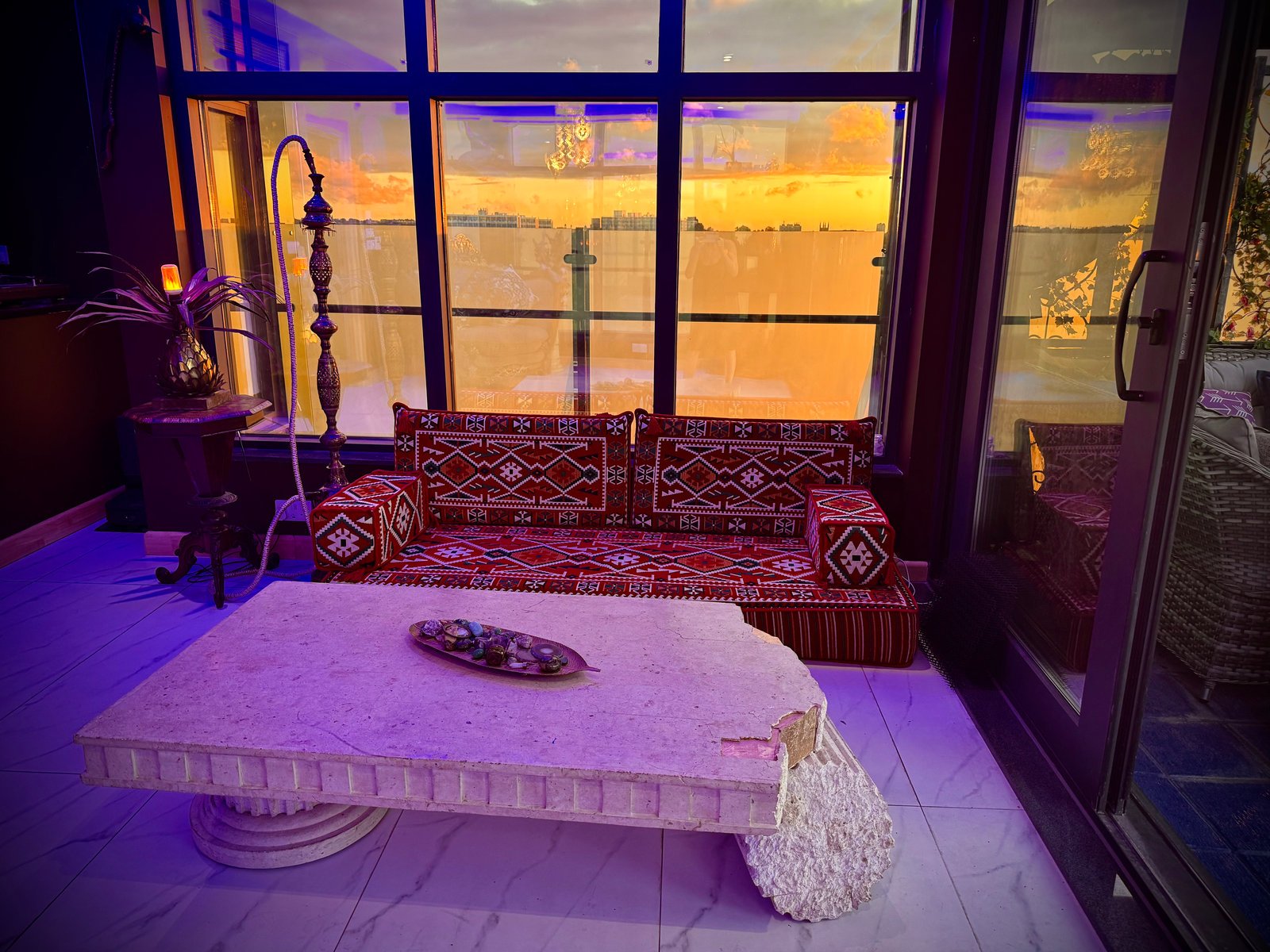
Private upper-floor homes and penthouses can combine skyline views with interior scenes. This can suit a lifestyle narrative that moves from a room to a terrace or a portrait by the window. Compare sightlines from the actual camera positions, not just the property’s general outlook. Reflections, window frames and nearby buildings can change how much skyline appears in the final image.
Plan the shoot around the view’s role in each scene. Place the subject against the skyline for a strong establishing frame, then shift the camera so the city adds context without competing with clothing or products. For a fashion campaign, a tighter portrait can keep the styling prominent. For a travel or hospitality story, a wider frame may communicate place.
Plan a recce before choosing a public viewpoint or private setting. Mark the intended camera positions, entrances, crew route and equipment drop-off point. At Primrose Hill, consider how your team will work around public use of the space. At a private property, agree which rooms and exterior areas are part of the shoot plan.
Match the location to the light and the sequence. A skyline can look different as daylight shifts, so plan wide views and close details in a deliberate order. Keep an indoor option in the shot list for changing conditions. This gives the crew a practical alternative while preserving the campaign’s visual direction.
Primrose Hill offers an elevated, open panorama, while a river-facing setting can bring the Thames into the frame. For landmark-led shots, consider views featuring St Paul’s Cathedral or Tower Bridge; private upper-floor homes and penthouses can pair skyline scenes with interiors. Check the intended camera positions as daylight shifts, since the skyline may look different.
Smashy Owl Studios: Film location hire london
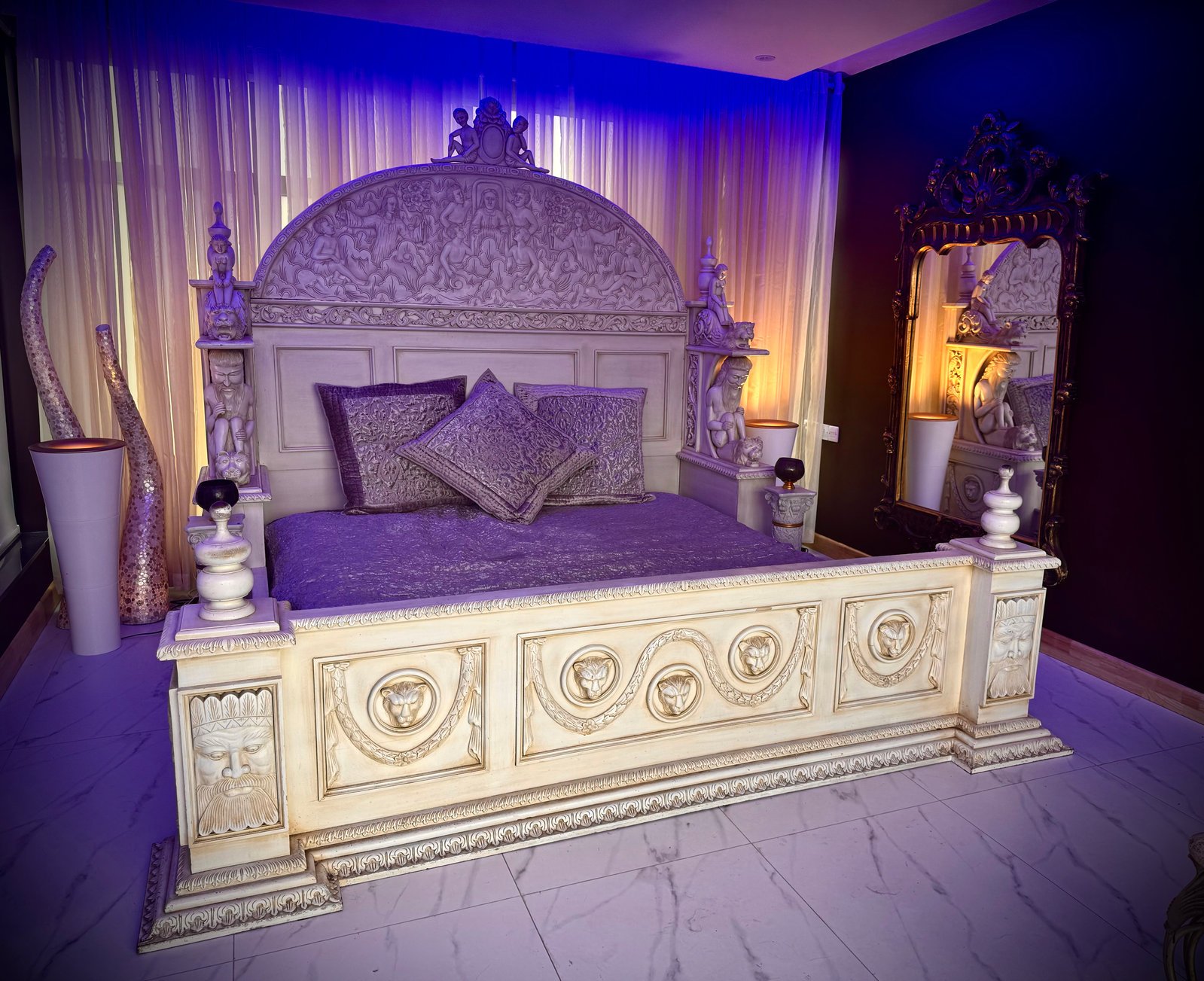
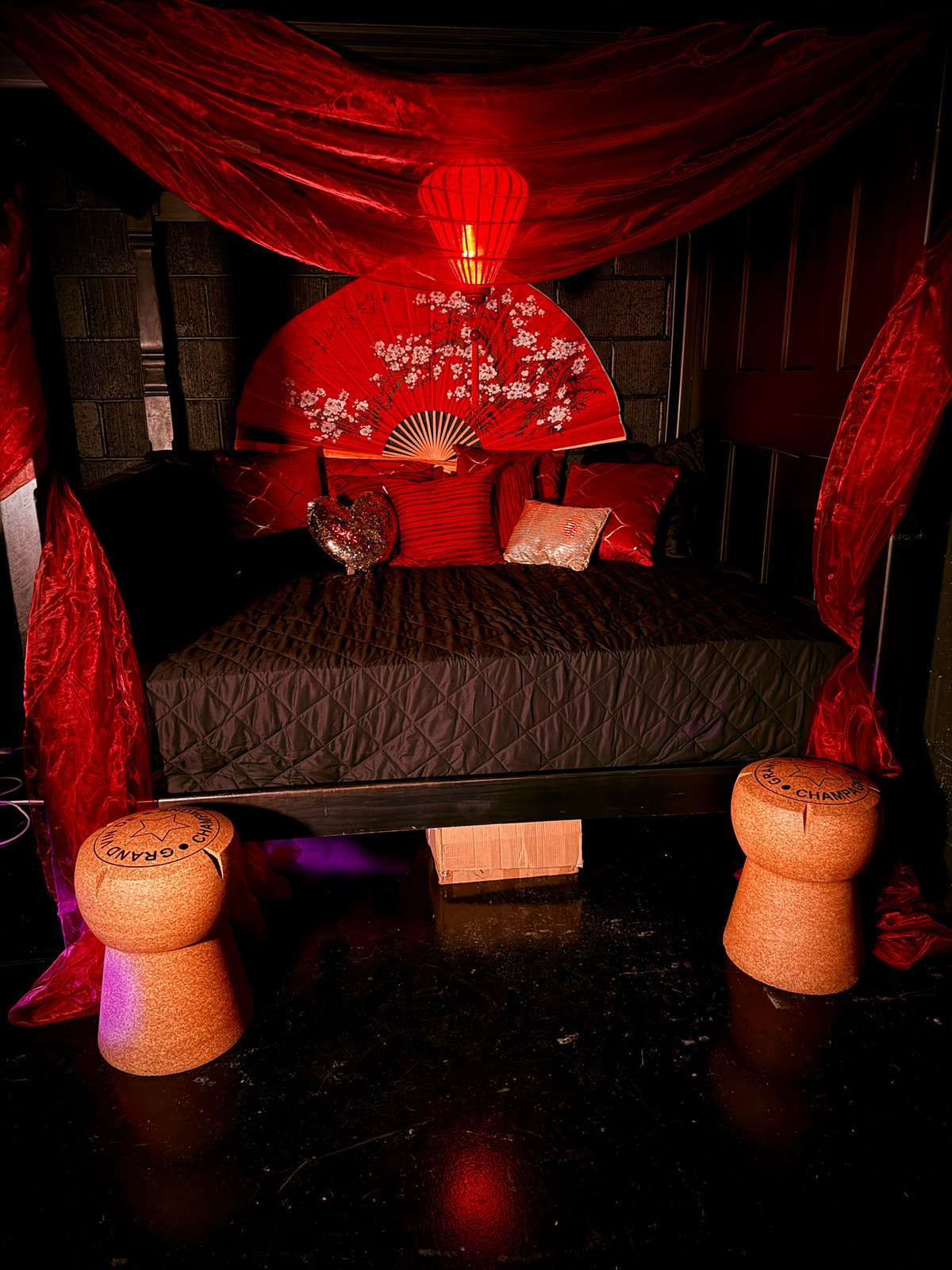
Smashy Owl Studios offers professional spaces for filming, photography and brand content near Oval station in Camberwell, SE5. The Shangri-La Penthouse pairs luxury interiors and panoramic London skyline views with a rooftop hot tub. For a more controlled setting, the Shangri-L’Arche Blackout Studio is fully blackout, with a baby grand piano, neon runway, throne and aerial hoop.
The locations are 0.5 miles apart, around 3 minutes’ drive, so you can plan contrasting looks within one shoot. Hire is hourly, with no minimum booking. You bring your own photographers, filmmakers and crew; once a booking is confirmed, Bella can recommend independent creatives who are booked directly by you.
To book directly, visit smashyowlstudios.com or email bookings@smashyowlstudios.com.
Turn your skyline brief into a shoot plan
Turn the moodboard into a practical location brief. Decide which scenes need the skyline, which need a more controlled indoor look, and how your team will move between them. That clarity helps you choose a setting that supports the story rather than competing with it.
For an aspirational lifestyle filming location in London with skyline views, Smashy Owl Studios offers spaces for photo studio hire, film location hire and music video shoots. Bring your own photographer, filmmaker and crew, with the creative direction shaped around your campaign. A focused brief makes it easier to plan the right space and get more from your shoot.
Start your next London campaign with a setting that fits your vision. Build the brief, gather your team and bring the idea into production.
Frequently Asked Questions
How much does it cost to hire a London rooftop or skyline venue for filming?
London skyline locations don’t have a single hire rate. Costs depend on the space, booking period and production requirements, so compare the current rates for the setting that suits your shoot. Smashy Owl Studios’ two locations have different rates: check the website for current pricing. When comparing options, consider whether you need a rooftop view, indoor scenes or both, as well as time for setup and filming.
Do I need a permit to film commercially at London skyline locations?
Possibly, if you’re filming on public land: permission can depend on the production. Before settling your shot list, identify who manages the location and provide details such as your filming area, crew and equipment. For a privately hired location, agree access and permitted filming areas with the owner. A public viewpoint and a private property may therefore need different arrangements.
How do London skyline filming locations compare for access, views and privacy?
Public viewpoints can offer recognisable city views, but other visitors may share the space. A private property can give you more control over who enters and where filming takes place. Compare camera positions, sightlines and crew routes, not just the view in a reference image. A window-facing room may frame the skyline while keeping the team indoors; a blackout space offers a controlled background instead.
How can I book a private London location for aspirational lifestyle filming?
Send Smashy Owl Studios your preferred dates, production type and a concise brief. Include the scenes you want to capture, how the skyline should appear, and any access needs for your team and equipment. This helps match your visual direction to a suitable space. Book directly at smashyowlstudios.com or email bookings@smashyowlstudios.com to discuss your shoot.
What are the best London skyline filming locations at sunset and blue hour?
A private riverside home or penthouse with clear sightlines offers skyline views and interior options as the light changes. Primrose Hill is a public starting point with panoramic city views. Plan wide frames while it’s bright, then move to closer portraits or indoor scenes as it darkens.
Comments