

Photoshoot Location Hire London: How to Choose the Right Space

Updated: 4 days ago
The most photogenic room isn’t always the best shoot location. For photoshoot location hire in London, choose a space that fits your creative brief and works for the practicalities: enough room to shoot, a layout that suits your setup, and straightforward access for people and equipment. Natural light, power and vehicle access can also shape how smoothly the day runs.
It’s easy to focus on a venue’s look first. But the space behind the camera matters too: where the team can move, how equipment gets in, and whether the layout suits the shots you need. Hire costs vary with the location, booking period and facilities, so compare the overall fit rather than appearance alone.
This guide covers the venue types London creatives commonly consider, what to look for in hire costs, and how to assess a space, its layout and access before booking. You’ll have a clearer way to match a location to your shoot, whether you’re planning a fashion editorial, brand content or film production.
Table of Contents
What does it cost to book photo shoot venues in London?
London shoot-location hire costs depend on the property, booking period, access and facilities. A fashion editorial may need a distinctive interior, while a product shoot may prioritise clear surfaces and controlled lighting. Compare what each hire includes, then match the booking to your production plan.
Residential houses and apartments offer lived-in detail for interiors, fashion and lifestyle shoots. A period home can suit tailored clothing or heritage products; a modern flat may better frame contemporary design. Rooftops and outdoor spaces bring open skies and city views, but weather and available light can shape your schedule. Homes, apartments, rooftops and outdoor spaces can all be hired for photo shoots, subject to access and permitted use.
Country-house locations across the UK can offer landscaped grounds, grand rooms or a quieter backdrop. Travel, loading access and distances between locations affect production logistics, so map the route and plan arrival times before booking. In London, a warehouse may offer an industrial look, while a residential property gives a softer, domestic setting. Choose a backdrop that supports the brief, not simply the most dramatic portfolio image.
For a residential shoot, check which rooms are usable and how the team will move between them. Ask the owner or location representative about booking terms, access and restrictions. A production involving furniture movement needs a different plan from a small portrait shoot. Share the project type, expected crew and equipment list when you enquire.
Cancellation, deposit and overtime policies vary by location and booking agreement. Read the terms before confirming, including notice deadlines, deposit conditions and charges for extra time.
Facilities affect the value of a hire. Before committing, list your essentials: usable power, natural light, available lighting, changing space and a practical loading route. Check separately what equipment the venue supplies and what your team needs to bring. For a fashion shoot, space for garment changes may matter most. For interiors, the room layout and direction of daylight can shape the shot list.
Owners listing a property as a shoot location can prepare concise details covering rooms, access, facilities and usage terms. Include accurate information about lighting, parking or loading arrangements, and which rooms are available to productions. Clear details help teams assess whether the property suits their brief before arranging a viewing.
Plan the booking around the production, rather than choosing a venue by appearance alone. London film-location bookings typically last seven hours, with eight people attending; the most common start time is between 11:00 and 12:00. Use those market patterns as planning context, then build your own schedule around setup, shooting and clearance time.
What are some popular types of photo shoot places in London?
London offers studios, homes and commercial spaces, each shaping the image differently. No single studio or platform has the “best” reviews by default; London film shoot location reviews average 4.88 stars through October 2026, so compare recent, detailed feedback with your brief.
Daylight, Blackout and Infinity Cove Studios
Daylight studios suit portraits, fashion and lifestyle work shaped by natural light. Consider window direction, working hours and how the light changes across the room. Blackout studios give the crew control over lighting, which is useful for consistent scenes or dramatic effects. An infinity cove creates a seamless backdrop for product images, portraits or clean fashion frames. Check its dimensions against your framing and equipment needs.
Studio and Real-Life Locations
A studio gives a production a controlled setting, while real-life locations bring built-in character. A kitchen can add warmth to a food or lifestyle shoot; a period home can give fashion imagery more texture. Commercial and industrial spaces, including warehouses, create a stripped-back visual mood. Match the setting to the story, then consider practical details such as access, room layout and movement between shots.
Photography Studios and Loft Options
Photography studios in London range from minimal working spaces to furnished interiors. A loft can combine open-plan space with domestic detail, giving a team several compositions without changing location. For fashion, check there’s room for styling, outfit changes and clear camera angles. For product work, prioritise surfaces and backgrounds that suit the brief. Review images of the actual rooms, not just wide-angle overviews.
Think about the production’s visual variety. A studio can support a consistent campaign look, while a residential property may offer distinct rooms and textures. Commercial settings work well when the environment helps tell the story. List the essential looks first, then shortlist spaces that can deliver them without excessive resets or movement between locations.
Reviews are most useful when they describe details that affect a shoot: how accurately the listing represents the space, how access worked and whether the booking process was clear. Compare comments about similar productions rather than relying on star ratings alone. A review for a small portrait session may not reflect the needs of a fashion team carrying larger equipment.
Before enquiring, prepare a compact brief: shoot type, preferred look, team size, equipment and any location features that matter. This helps narrow the choice between daylight, blackout, cove, residential and industrial spaces. If you’re considering a production space, share your shoot requirements to start a focused location enquiry.
London and UK photoshoot and filming locations
London offers studios, homes, commercial premises and public spaces for photography and filming. Across the UK, country houses, urban interiors and open landscapes each give productions a distinct colour and atmosphere.
Crew size, equipment, noise and commercial-photography restrictions depend on the location and permissions granted. Before booking, share your crew numbers, equipment list, intended activity and sound requirements with the owner or relevant authority, then follow the conditions they set.
For public land, start by identifying who manages the site. The Royal Parks requires at least ten working days’ notice for commercial filming and photography requests, plus minimum public liability cover of £5 million. For qualifying Westminster shoots, the UK Government says no application is required when the entire on-street team has five people or fewer. These are specific examples, not a single rule for every London street or park.
Explore London filming locations by area, then narrow the options by the look and practical needs of your shoot. Central areas may suit briefs that need recognisable city streets; South London can work for productions seeking a base near neighbourhood interiors. North, East and West London each offer different property types and travel routes. Compare a location’s visual character with crew travel, loading arrangements and distances between planned scenes.
For a music video, a controlled studio can help maintain a consistent visual style across setups. A residential interior may provide a lived-in setting for fashion or lifestyle content, while a commercial property can bring workplace detail. Distinctive architectural features can strengthen a frame, but check which rooms or areas are included in the hire. Photos of the property can help you assess its colour, layout and camera angles before enquiring.
To book a London location, prepare a concise brief with the shoot date, production type, crew size, equipment, intended use and preferred area. Send it to the location owner or manager, review the hire terms, then confirm the booking and permissions before organising the call sheet. For public land, follow the managing authority’s stated process. Allow time for permissions and plan a recce with key crew members to spot access or layout issues before shoot day.
Across the UK, a country house may suit a period fashion story, while a city property can simplify travel between scenes. Shortlist locations by visual brief first, then compare travel time, access and the number of setups each property can support. A location that accommodates your crew and equipment can reduce unnecessary moves and protect filming time.
Space, layout and equipment access
A location can look spacious in photographs yet feel restrictive during a shoot. Map camera positions, subject movement and equipment footprint before booking. A fashion setup, for example, needs space for changing and styling, not just a clear frame. A pre-production visit with key crew members helps identify potential challenges and refine the shooting schedule.
Start with the shot list. Match each setup to the room or area it needs, then consider how the team will move between them. A wide establishing shot may need a different camera position from close-up product work. If you’re looking for natural light, note which windows appear in your chosen frames and how their direction affects the composition.
Access matters as much as the room itself. Trace the route from arrival point to shooting area, including doors, corridors, stairs and lifts. Compare those dimensions with the largest case or stand your team will bring. A vehicle-based production also needs a clear loading plan. Confirm where equipment can be unloaded and how far it must travel to the set.
Measure the working area: include camera distance, tripods, stands and space for crew movement.
Plan the layout: identify where the subject, camera, lighting and essential kit will sit.
Review the route: consider entry points, turns, thresholds and changes between floors.
Check the surroundings: note neighbouring activity, possible sound interruptions and any garden or outdoor access needed.
Make the visit useful. Bring a floor plan or shot list, and ask key crew members to flag pinch points. A doorway that works for one person may complicate moving a large case. A garden can offer another visual setup, but assess the route back indoors and how changing conditions could affect the schedule.
Equipment planning also shapes the space you need. Separate items that must stay close to the camera from those that can be stored elsewhere. Keep frequently used lenses and monitors within easy reach, for example, while storing cases away from active movement. Check power access and the planned lighting arrangement against your setup. Don’t assume a room’s appearance reflects its practical working area.
Before confirming a booking, write down the access questions that matter to your production. Share the largest equipment dimensions, planned arrival method and expected room layout. A focused recce lets the team test those details in the actual space instead of discovering a blocked route during setup. That preparation can protect shooting time and keep each changeover organised.
Smashy Owl Studios: Film location hire london
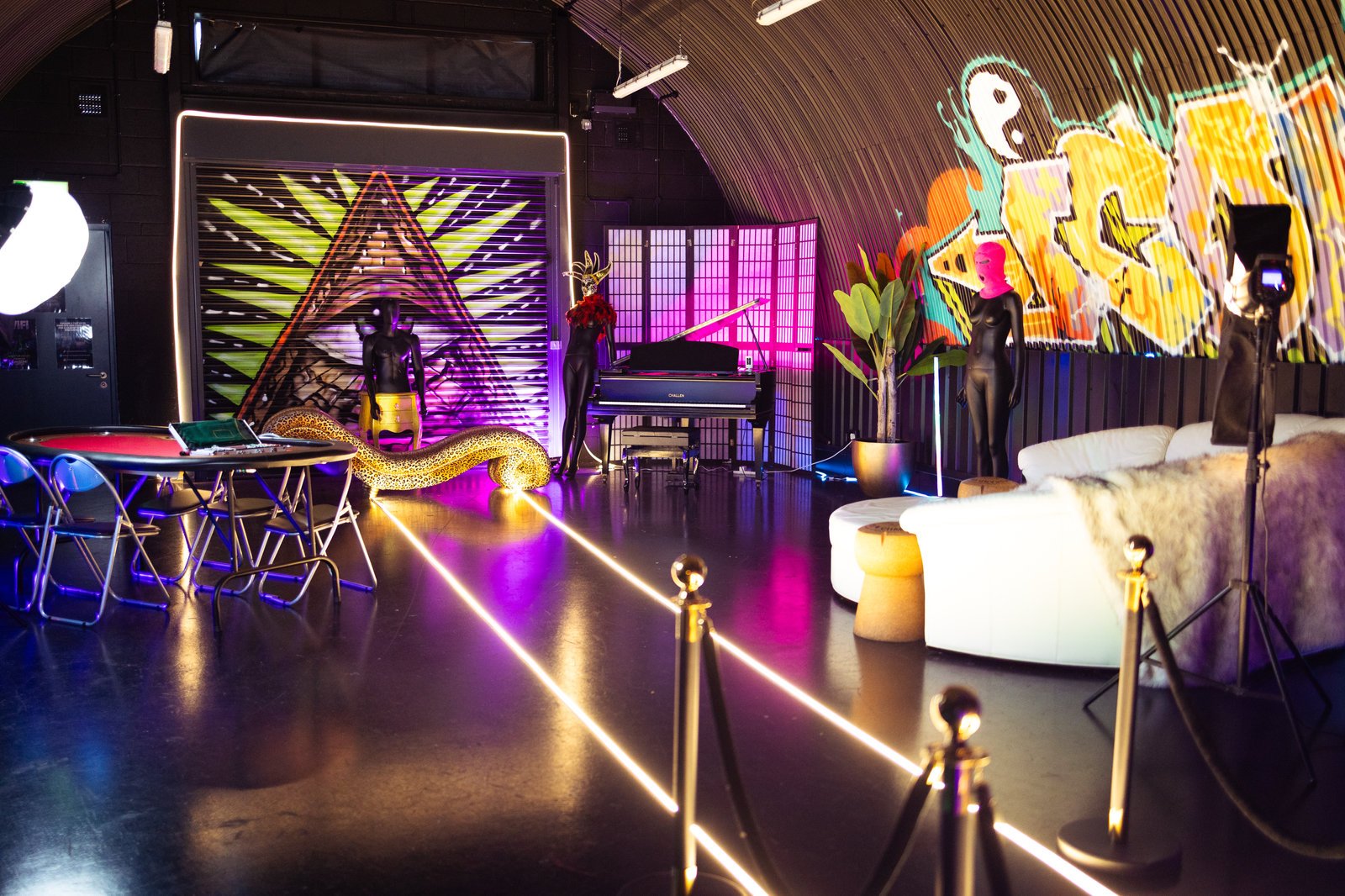
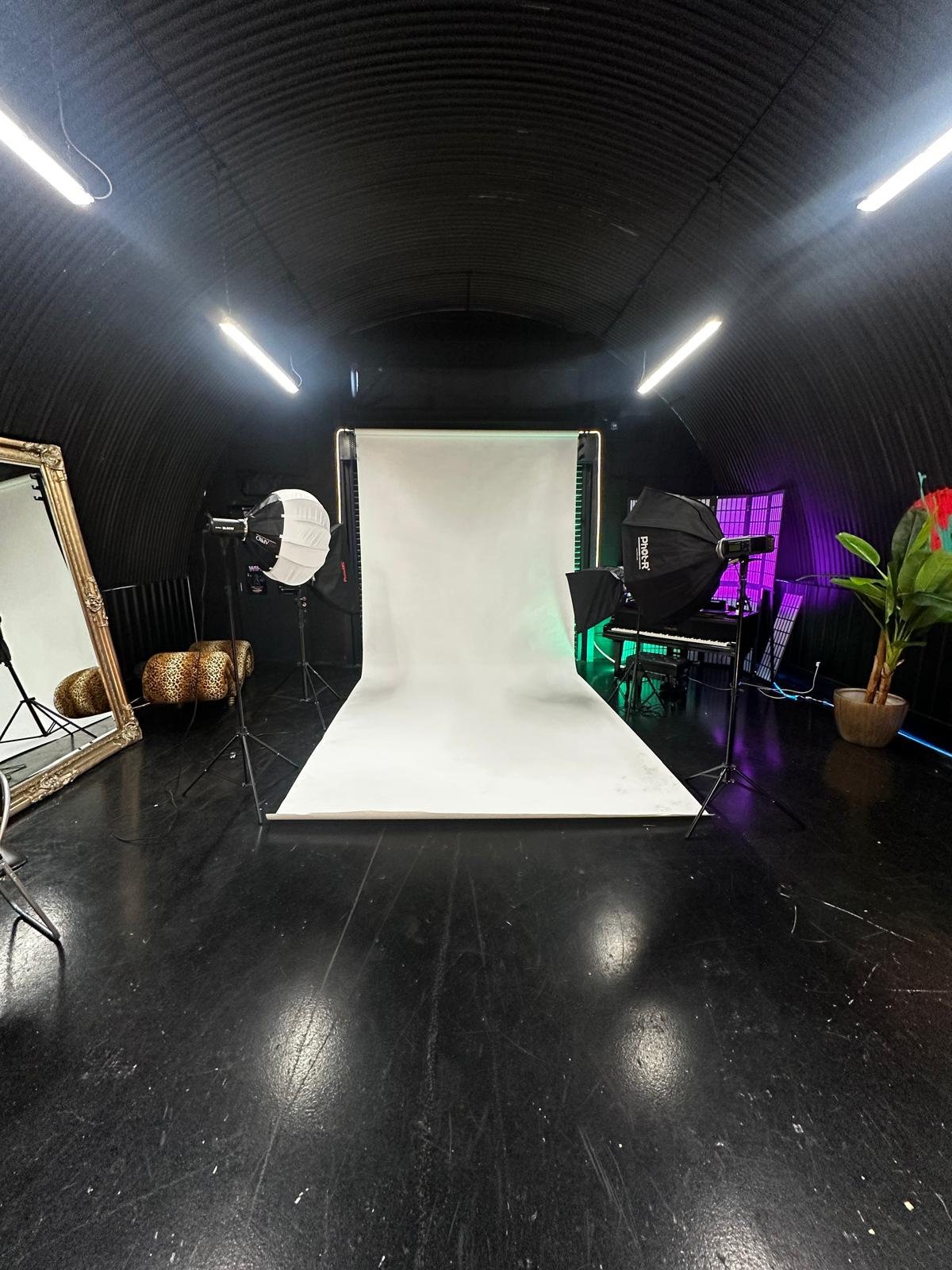
Smashy Owl Studios offers professional spaces for photoshoots, filming, music videos and content creation near Oval station in Camberwell, SE5. The Shangri-L’Arche Blackout Studio is a fully blackout, drive-in arch with room for larger production setups. Its approximate dimensions are 7.5 x 14.5 x 4.5 metres.
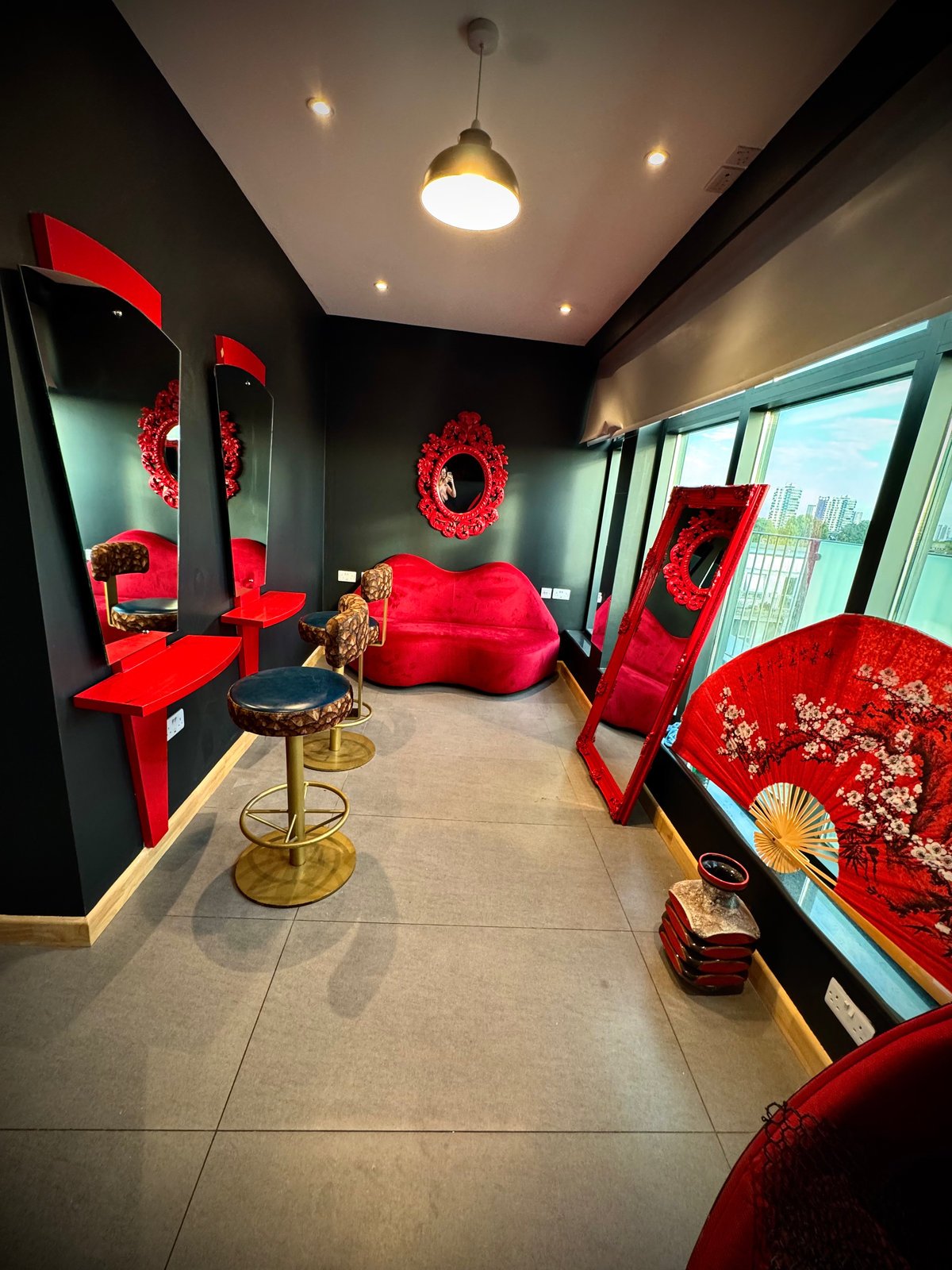
For a contrasting look, the Shangri-La Penthouse offers luxury interiors and panoramic London skyline views. The two locations are about 0.5 miles apart, making it possible to plan different visual styles within one shoot.
Both spaces are hired by the hour, with no minimum booking rather than a full-day minimum. You bring your own photographers, filmmakers and crew. Contact Smashy Owl Studios to discuss your shoot, book directly at smashyowlstudios.com or email bookings@smashyowlstudios.com.
Shape your next shoot around the right space
Let the creative brief guide your final choice. Before booking, define the visual mood, the shots you need and the practical requirements your team can’t compromise on. This gives you a clear basis for choosing a space and planning a productive shoot day.
For photoshoot location hire in London, Smashy Owl Studios offers spaces for photo shoots, filming and music video productions. The right fit depends on the work you’re planning and the atmosphere you want in the frame. Your own creative team can then shape the shoot around the location.
Bring a short brief to your enquiry, including your preferred dates, production type and access needs. It’s a practical starting point for finding the space that suits your project.
Your next creative idea deserves room to take shape.
Frequently Asked Questions
What makes a great shoot location?
A great location supports both the creative brief and the way your team works. Consider whether the backdrop strengthens the subject or competes with it. For a skincare campaign, a calm interior may keep attention on the product; a bolder setting could suit fashion imagery. Also consider sound, privacy and how your team will maintain visual continuity between setups.
Do you need permits or insurance to film at a hired space?
Requirements depend on whether you’re filming in a hired private space or on public land. For an indoor booking, read the hire agreement for permitted uses and any insurance conditions. Public spaces may have separate permission processes, so identify the land manager before planning. Include your production type, crew and equipment details in your enquiry to establish the relevant arrangements.
Is it better to pay for a location or use a free spot?
A paid location can be useful when your production needs controlled access, a distinctive interior or a predictable setting. A free public spot may suit a small, flexible shoot, but other people and changing conditions can affect continuity. Compare the control and time each option gives you. For a campaign with several setups, a booked space can help keep the day organised.
Looking for large spaces to film in?
Start with your largest piece of equipment and plan its route into the filming area. Check doors, turns and the distance from unloading to the set. A spacious room can still feel tight once cameras, stands and crew are in position. Share an equipment list and rough layout before your recce, then test the setup in person to spot access pinch points.
What types of photoshoot locations can you hire in London?
London locations include studios, lofts, homes, commercial premises and outdoor settings. Choose a backdrop that suits the images: a kitchen can add a lived-in feel to food content, while a simple studio can keep product photography consistent. If your campaign needs varied looks, shortlist spaces with distinct visual details, then consider how travel between them affects your schedule.
How much does it cost to hire a photoshoot location in London per hour or day?
Rates depend on the property, booking period, access and facilities. Some locations charge by the hour; others set day rates or tailor terms to the production. Compare the full hire conditions, including setup and clearance time. For current rates and to book directly, visit smashyowlstudios.com or email bookings@smashyowlstudios.com with your shoot details.
Comments