

Live Piano Music Video Location in London: Plan a Shoot That Looks and Sounds Right

A piano-led music video needs more than a striking room. The location must frame the performance without competing with it. If you’re looking for a live piano music video location London, a visually considered studio can give your concept a distinctive starting point.
The challenge is balancing atmosphere with practicalities. A bold backdrop can add character, but camera angles, lighting and audio need planning too. Smashy Owl Studios offers two contrasting looks in South London: the Arch blackout studio and the Shangri-La Penthouse.
This guide explains how to choose a location for your video concept, plan the performance and camera setup, and use your booking efficiently. You’ll also find practical pointers for lighting and audio, including how to decide between filming live playing, using playback or pairing the visuals with separately captured audio. With the key decisions made in advance, you can focus on creating footage that feels intentional and unmistakably yours.
Table of Contents
What makes a strong live piano music video location in London?
How to assess a London piano studio for performance and filming
Blackout studio or lifestyle interior: which London look fits your video?
Plan the piano performance, camera coverage and audio workflow
Book a London studio that brings your piano video concept into focus
What makes a strong live piano music video location in London?
A strong live piano music video location in London supports three things at once: the artist’s performance, the way the performance is framed and the practical needs of the shoot. A room may look impressive in person but feel cluttered on camera, restrict your compositions or lack a clear visual connection to the music.
Start by deciding how the video should make people feel. An intimate ballad may call for a restrained frame that keeps attention on the artist’s expression and hands. A bold, theatrical track might benefit from stronger colour, contrast or a distinctive feature in the scene. Music videos use a wide range of visual styles and approaches, as explored in this overview of the history and techniques of music videos. Choose a setting that makes your approach feel deliberate.
The right location turns the piano from a prop into part of the visual story, while keeping the performance at its centre. A setting can reinforce the video’s identity, but the planning is what makes the performance and coverage work.
What should the setting communicate on camera?
Consider how the room’s colour, texture and lighting relate to the artist’s mood and genre. A dark, controlled setting can suggest drama or focus; a brighter interior may feel open and reflective. Then decide how the piano should appear in the composition. It might dominate a close, performance-led frame or anchor a wider shot that gives the artist and surroundings equal weight.
Distinctive details can give footage character, provided they don’t pull focus from the performer. Check what will appear behind the artist, how those details sit within the frame and whether they support the concept from different camera angles. A useful location gives you visual options without making every shot compete for attention.
Plan the sound separately from the visual setting. Filming someone playing live does not determine how the audio will be captured or used in the finished video. Choose whether the shoot will show a live performance, use playback or pair the visuals with audio captured separately. Make that decision early so the performance, cues and edit can follow the same plan.
Why consider a South London studio?
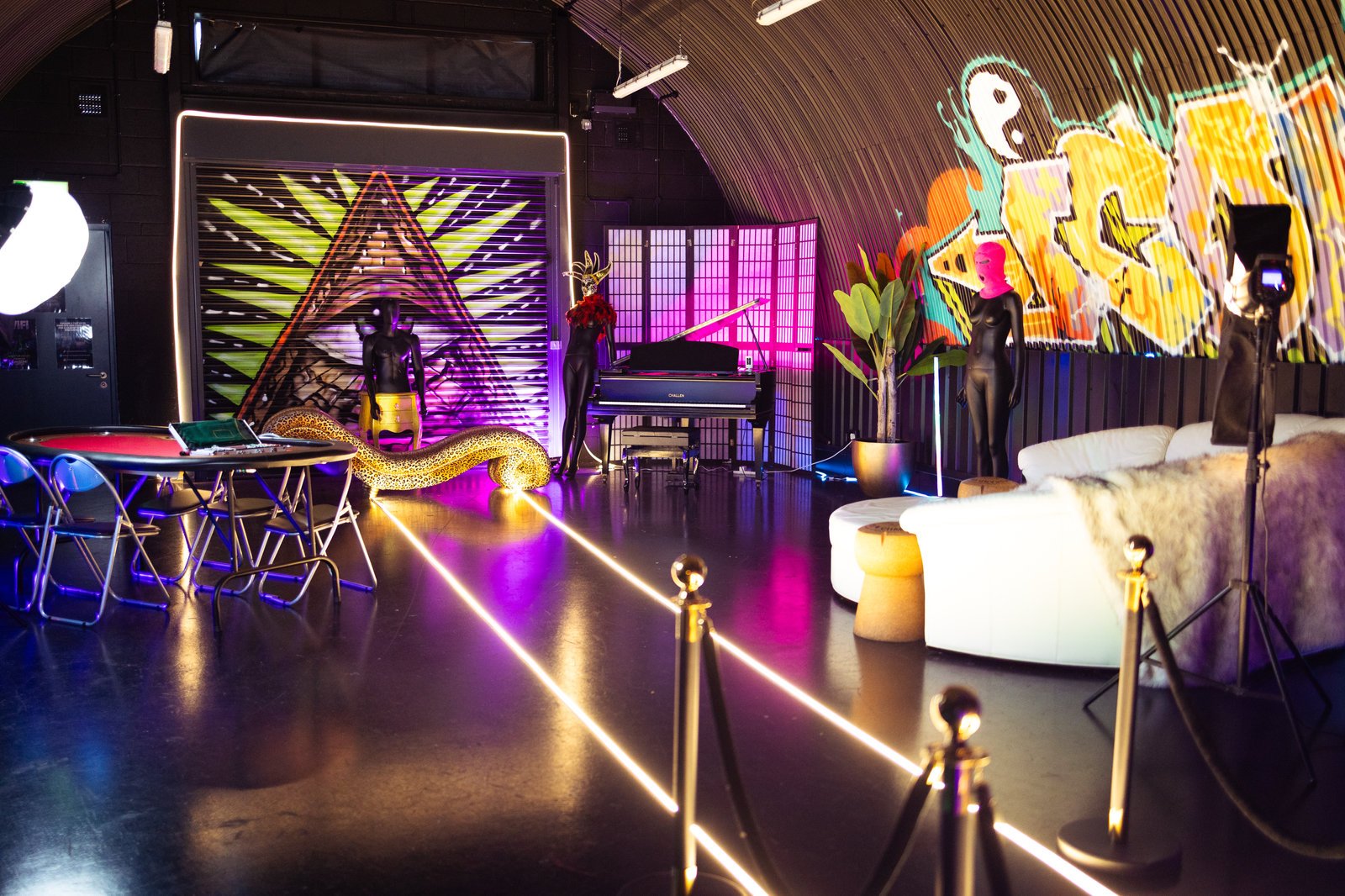
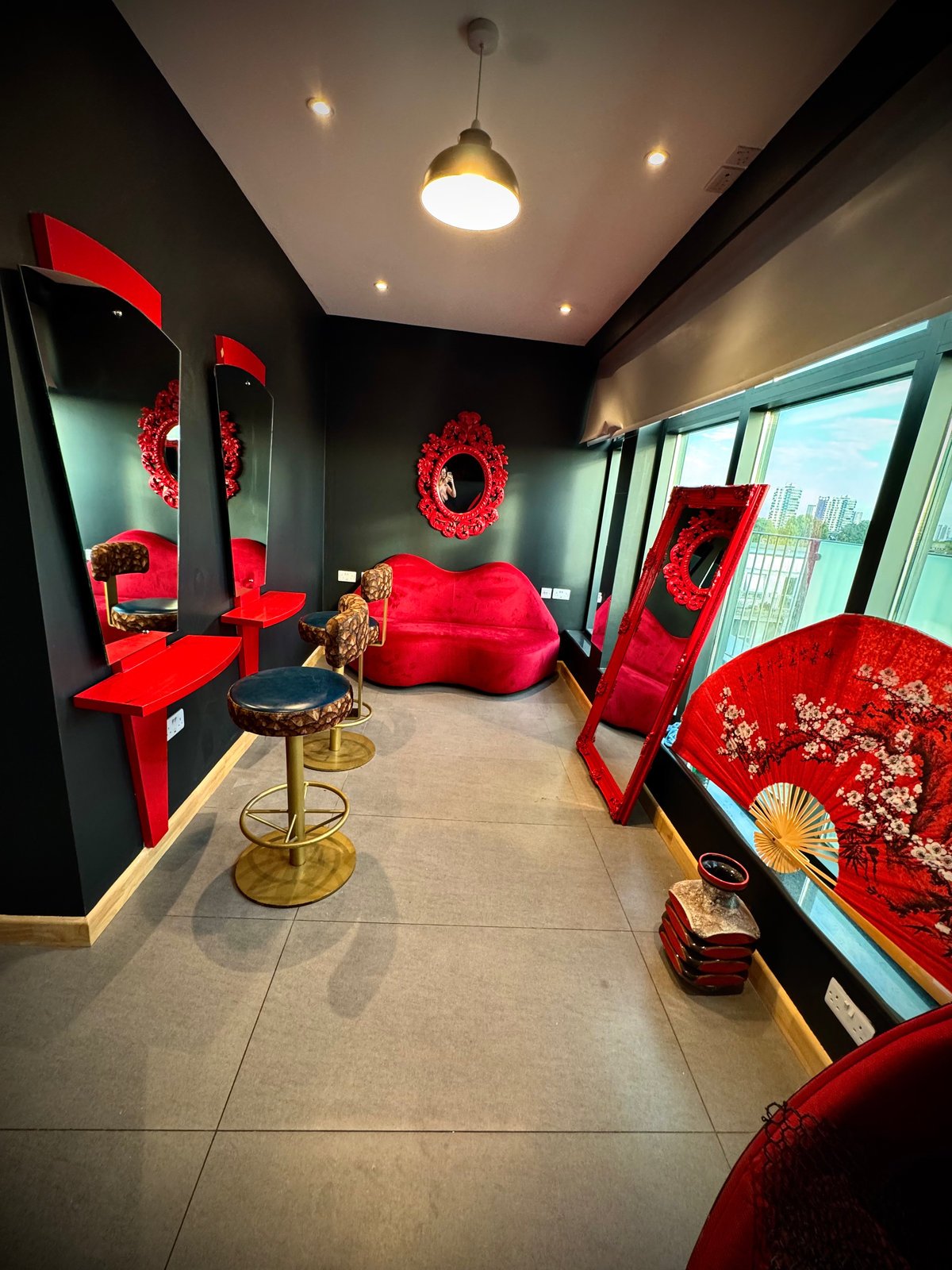
Smashy Owl Studios’ creative spaces are in South London, near Oval, and offer two distinct visual directions. The drive-in blackout studio features a black baby grand piano, a neon runway and professional lighting included with hire, making it suited to a controlled, stylised performance. The rooftop penthouse provides a contrasting backdrop, with eight shootable rooms and panoramic London views.
Let your concept guide the choice. A bold, carefully shaped frame may suit the blackout studio, while varied interiors or skyline views may support a more lifestyle-led feel. For a broader look at settings and styles for a production, see the London music video location guide.
How to assess a London piano studio for performance and filming
A polished interior is only a starting point. The piano, performer, background and camera all need to work together in the frame, and your production plan must account for audio capture. Use this checklist to assess a potential live piano music video location London before booking:
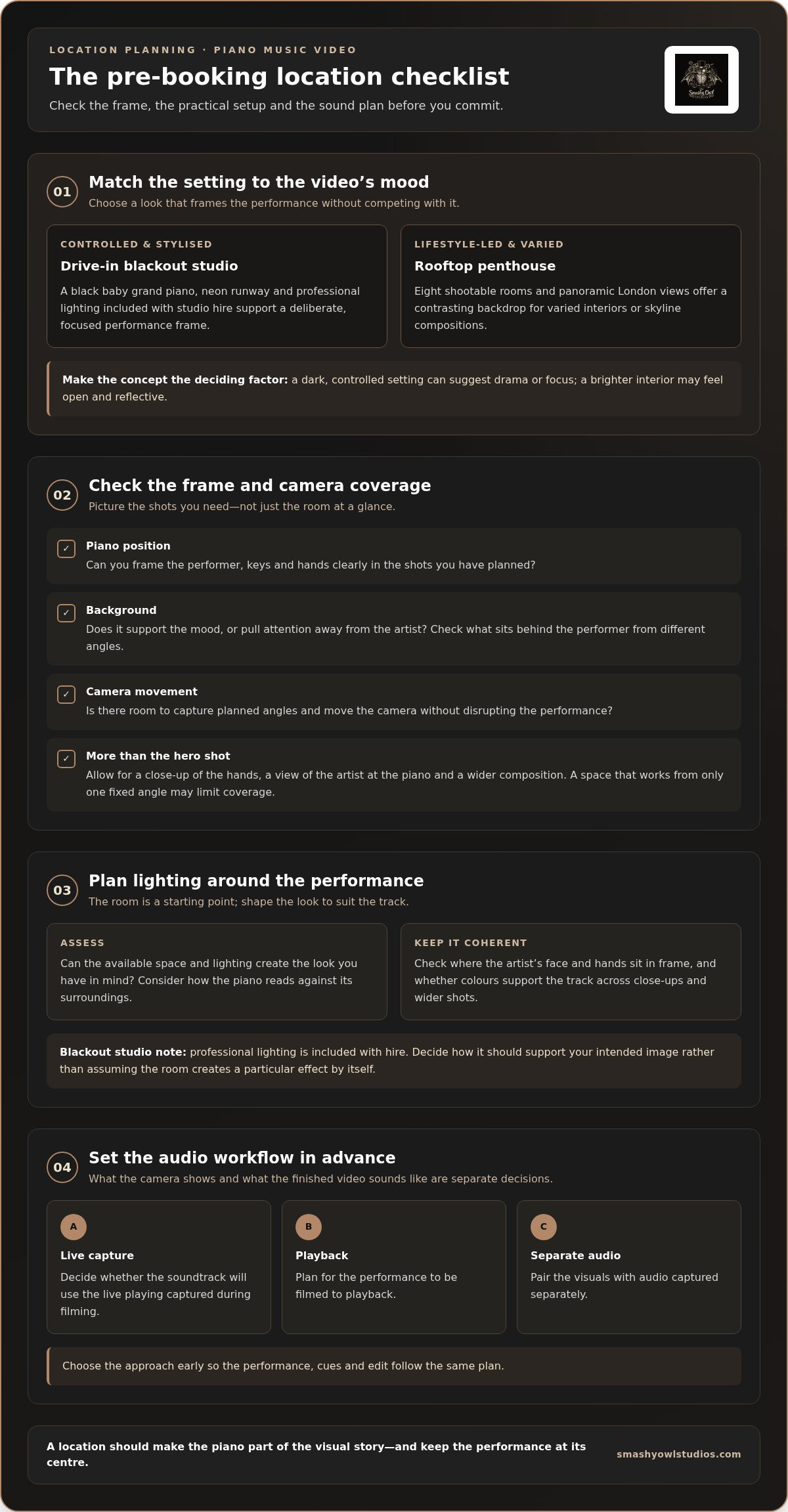
Piano position: Can you frame the performer, keys and hands clearly in the shots you have planned?
Background: Does it support the video’s mood, or draw attention away from the artist?
Lighting: Can you shape the look you have in mind with the space and lighting available?
Camera movement: Is there room to capture your planned angles and move the camera without disrupting the performance?
Think beyond the hero frame. A close shot of the hands, a view of the artist at the piano and a wider composition may each need a different camera position. If the space only works from one fixed angle, your coverage could feel limited. Sketch the key frames or discuss them with your team in advance, then work out how the performer and camera will move between them.
Does a blackout studio suit a live piano music video?
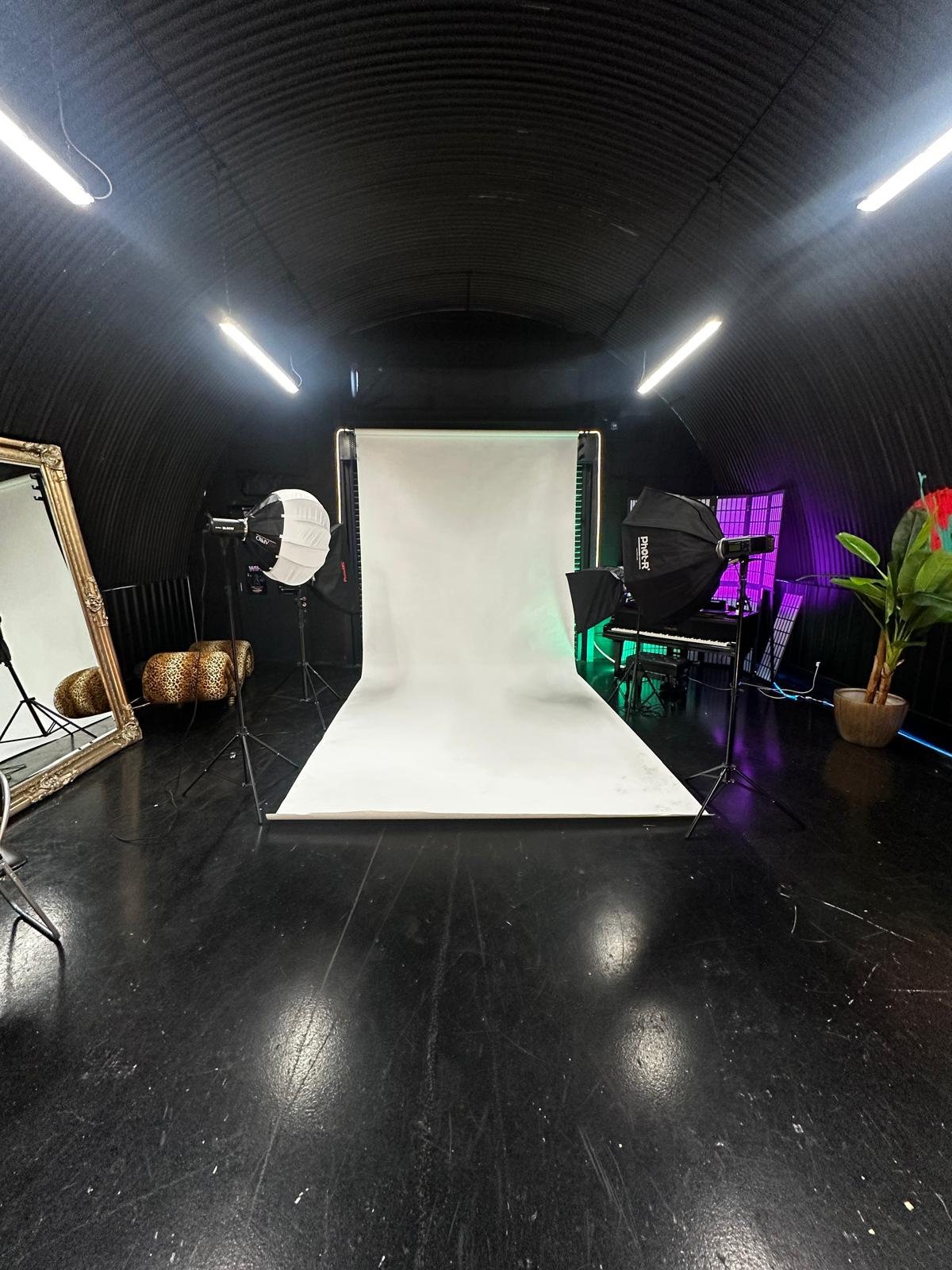
A blackout studio can suit a concept built around deliberate lighting, contrast and a focused performance frame. At Smashy Owl Studios, professional lighting is included with blackout studio hire, giving you lighting to work with as you shape the image. Decide how it should support your look rather than assuming the room will create a particular effect on its own.
The setting still needs to serve the performance. Consider how the piano reads against the darker surroundings, where the artist’s face and hands sit in frame, and whether the colours reinforce the track. A striking look should feel consistent across close-ups and wider shots, not like a collection of unrelated lighting choices.
How should you evaluate a piano as a visual feature?
Assess the instrument in relation to the camera, not in isolation. The black baby grand in the blackout studio can act as a strong visual anchor. Decide whether it should fill much of the frame or sit within a wider composition, and check that your camera distance shows the performer’s face, posture and playing clearly. Plan the intended shots around the piano and make sure the composition suits the artist’s performance.
Visual suitability and production planning are separate considerations. Decide whether the soundtrack will use live capture, playback or audio recorded separately, then include that workflow in your production plan. These tips for high-quality audio recording can help you prepare an audio approach that fits the shoot.
Checklist summary: assess the frame, lighting and camera movement as visual questions; plan audio capture, crew and equipment as production requirements. If a dark, performance-led look fits your concept, explore Smashy Owl Studios’ blackout studio.
Blackout studio or lifestyle interior: which London look fits your video?
Choose the visual world that makes the song feel coherent. A blackout studio can create a dramatic, performance-led frame, whilst a lifestyle interior can bring warmth, context and scope for a broader narrative. Neither is automatically better. The right choice depends on how you want the artist, piano and story to appear on screen.
Use this quick comparison to connect your creative goal with the visual character of the setting:
A single visual world often works best when the song’s emotional pull comes from one sustained performance. Consistent framing and colour help the video feel deliberate, rather than like a collection of unrelated shots. Contrasting locations can work when the track or story calls for a clear change, but give each look a purpose. A shift should signal a new beat in the narrative, not simply add variety.
When does a blackout setting strengthen the concept?
A blackout setting can suit a concept built around high contrast, controlled colour and a focused performance frame. In Smashy Owl Studios’ drive-in blackout studio, the black baby grand piano can establish the visual centre, whilst the professional lighting included with hire can help shape the image. The neon runway can add a distinctive accent. Use it when it reinforces the artist’s direction, rather than competing with the performance.
When might a more varied interior work better?
A broader narrative may benefit from changes in backdrop and atmosphere. The South London rooftop penthouse offers eight shootable rooms and panoramic London views, giving productions a range of settings to work with. The interiors can suit a lifestyle-led sequence or a video that moves between visual moments. As this is a different direction from the blackout studio, plan transitions so each setting feels purposeful and connected to the song.
Keep the audio plan separate from the visual choice. A change of room can create a new scene, but it does not determine how the soundtrack is captured or synchronised. Decide whether the visuals will show live playing, playback or a performance paired with separately recorded audio, then plan continuity around that approach. For a live piano music video location London, connecting the image and soundtrack to one creative idea helps the finished video feel cohesive. Explore the unique London shoot location guide for broader inspiration on distinctive settings.
Plan the piano performance, camera coverage and audio workflow
A smooth shoot starts before the booking. Decide how the performance, camera coverage and soundtrack will work together, then share the plan with everyone involved. This gives you time to coordinate the performer, camera positions and lighting before the session begins, instead of rearranging the setup once you’re on site.
Set the creative brief. Agree the song, mood, visual references and final formats. Decide whether the video centres on an uninterrupted performance or uses piano footage within a wider narrative.
Choose the audio approach. Decide whether the finished track will use live audio captured during filming, playback or a separate recording workflow. Make clear what the performer needs to hear and how synchronisation will be handled.
Map the performance and frame. Plan where the artist will sit or stand, which parts of the piano must be visible and how lighting supports the chosen look. Coordinate these decisions with the camera positions before the booking begins.
Build the shot list. Include a full performance frame, closer views of the artist and detail shots of hands and keys. Note camera movement and transitions, and align them with changes in the music.
Plan the session flow. Allow time for repeated takes, changes between shots and any planned playback. Share the sound plan with the production team so crew and equipment arrangements support the approach.
How do you prepare a shot list for piano performance?
Give every shot a purpose. A steady full frame establishes the performance, close-ups reveal expression, and detail shots of hands and keys add intimacy. Match camera movement to the music: a restrained passage may suit a held frame, whilst a dynamic section could support a considered move. Plan transitions and playback cues with the performer, and leave time for repeat takes so your coverage stays consistent.
What should the production team plan for sound?
Choose the soundtrack workflow before filming. Live capture records the performance as it happens; playback gives the artist a track to perform along to; a separate recording workflow pairs the filmed performance with audio captured independently. Each approach affects timing, cues and how takes are organised. Include sound capture, crew and equipment in the production plan, and make sure the workflow fits the chosen performance approach.
For a live piano music video location London, a clear sequence links the creative brief to the final frame and soundtrack. Explore the studio spaces for your piano video and choose a setting that supports your plan.
Book a London studio that brings your piano video concept into focus
Let the creative brief lead the booking. Start with the mood you want on screen, decide how the piano and performer should sit in the frame, then match the space to your visual direction. A well-chosen setting supports the performance and helps you put the production plan into action.
For a focused, stylised look, the Arch blackout studio features a black baby grand piano and professional lighting included with hire. The Shangri-La Penthouse offers a different visual direction, with eight shootable rooms and panoramic London views. Choose the setting that suits the song instead of trying to make one concept fit every room.
What to include in your production brief
Give everyone involved a shared reference point before the shoot. A concise brief helps make decisions about the room, staging and coverage more purposeful. Include:
Visual mood: Describe the colour, atmosphere and overall feeling you want the video to convey.
Performance format: State whether the artist will play live for camera, perform to playback or appear in visuals paired with separately captured audio.
Deliverables: List the intended versions and formats so framing can account for each final use.
Coverage and lighting: Outline key camera angles, planned movement, lighting direction and any changes during the performance.
Production needs: Set out the crew, equipment and audio-capture arrangements for the production.
Keep the sound plan distinct from the studio choice. Decide how the audio approach and any equipment it requires fit into the wider production plan.
How to make one booking work harder
Group shots by setup. Capture frames that use the same lighting direction and performer position together, then move on to alternate angles or visual treatments. Around the piano, you might film a full performance frame first, followed by closer views and details of the keys before changing the composition. Include transitions and repeat takes in the running order.
Consider moving between the Arch blackout studio and the Shangri-La Penthouse only if the second setting adds something meaningful to the story. A location change should earn its place in the edit.
With the visual mood, staging and production requirements aligned, you can make a confident choice for your live piano music video location London. Plan your piano music video at Smashy Owl Studios.
Give your piano video a clear creative direction
Before you book, choose a frame that captures the feeling you want the finished video to leave with its audience. Use it as a creative compass for staging, camera movement and the relationship between the performance and the setting. A clear visual reference helps your team make confident choices while leaving room for expressive moments on the day.
Turn that idea into a concise brief. Share the mood, performance approach, key shots and audio workflow with your production team so everyone arrives ready to work towards the same result. When your plan connects image and sound, it is easier to make the location serve the music.
Your live piano music video location London should feel like an extension of the artist, not just a backdrop. A strong idea and a well-matched setting can bring the performance to life.
Frequently Asked Questions
Can you film a live piano performance in a London studio?
Yes. A London studio can provide the setting for filming a pianist performing. For a live piano music video location London shoot, plan the audio workflow alongside the booking. Decide whether the final track will use sound captured during the performance, playback or a separate recording. Tell your production team how synchronisation will work, what cues the performer needs and which takes must be filmed in full.
Is a blackout studio a good choice for a piano music video?
It can be, particularly if the concept calls for a dramatic, focused performance and carefully shaped colour. A darker backdrop can keep attention on the artist and instrument, while planned lighting establishes the mood. For a narrative that depends on domestic warmth, daylight or a sense of place, a lifestyle interior may feel more convincing. Choose according to the song’s story, not simply the room that looks most striking.
What should I look for in a piano music video location?
Look for a setting whose visual character fits the track, then picture the artist and piano within the camera frame. Check that the planned staging gives clear sightlines to the performer and the relevant parts of the instrument. Consider how the lighting can support the mood and whether cameras can reach the angles in your shot plan. Separately, plan the crew, equipment and sound workflow your production needs.
How do you record audio for a piano music video?
Choose between capturing the performance live, filming to playback or recording the audio separately and matching it to the picture. Each approach needs a clear plan for timing and synchronisation. For live capture, include suitable recording equipment and crew in the production plan. For playback, agree cues and the performer’s listening arrangement. A separate recording workflow also needs a reliable reference take or another synchronisation plan for the edit.
Can you create different looks in one London studio booking?
Yes, if you plan each look around a practical change in framing, lighting direction or performer position. Group shots that share a setup, then work through your shot list before resetting. For example, capture the main performance frame, then reposition for close-ups or a more graphic composition. Keep a reference image or continuity note for each look so the changes feel intentional and the final edit still belongs to one coherent video.
What camera shots work well for a piano performance video?
Build coverage around a stable wide shot showing the artist and piano together, then add medium frames for expression and detail shots of hands and keys. A side angle or over-the-shoulder view can add visual depth when it suits the staging. Let the song guide the pace of the coverage: hold a quieter moment in a steady frame, then use tighter details or a considered camera move as the music builds.
Ready to film? Book the Arch blackout studio or the Shangri-La Penthouse at smashyowlstudios.com or email bookings@smashyowlstudios.com.
Comments