

Quiet Film Location in London: How to Find a Set with Low Ambient Street Noise

The most cinematic London location isn’t always the best place to record dialogue. Searching for a “quiet film location London low ambient street noise” means looking beyond the view and assessing what the microphones may pick up. Traffic, sirens and nearby activity can change through the day, so one quiet recce is only a snapshot.
If you’ve found a location that looks right on camera but makes clean takes difficult, it’s worth assessing sound early. This guide explains how to identify likely noise sources, make a useful recording test and plan for interruptions before filming.
You’ll also learn how to weigh a location-led look against a more controlled indoor setting. Neither of the studio options discussed here is presented as soundproof, so assess the recording conditions against your scene. The aim is to choose a location that supports your visuals, schedule and sound plan, with fewer surprises once cameras roll.
Table of Contents
What does a quiet film location in London actually mean?
Ambient street noise is environmental sound captured alongside the sound you intend to record. It can be obvious, such as passing traffic, or subtle, such as a distant mechanical hum that becomes noticeable during a pause in dialogue. In practical terms, low ambient noise means background sound stays unobtrusive enough for the intended recording, not that the location is silent.
“Quiet” depends on the scene. A lively street sound bed may suit a wide shot with voice-over, yet distract from an intimate close-up with softly delivered dialogue. Treat quiet film location London low ambient street noise as a recording requirement to test, not a guarantee based on a postcode, building type or first impression.
Whether a location works depends on the dialogue, microphone choice and placement, camera framing, and how much flexibility the edit needs. A close microphone may capture speech clearly while still picking up interruptions. A wider frame may limit where the microphone can be placed. If background activity changes between takes, matching the sound in the edit can also become more difficult. The broader context of noise pollution helps explain why urban sound has multiple sources and can affect how a space feels and functions.
Which sounds can disrupt a London film shoot?
Listen for steady sounds, such as general road noise or ventilation, as well as intermittent peaks: an emergency vehicle, building activity, a delivery or nearby conversation. Steady noise can mask quiet speech. Sudden peaks may make a take unusable or require a pause. Conditions can shift with the time of day, weather, nearby activity and the production schedule, so one brief listen won’t give you the whole picture.
Why quiet is different from soundproof
A studio setting describes the type of space, not its acoustic performance. It doesn’t, by itself, establish soundproofing or acoustic isolation. Even in quieter surroundings, microphone direction, distance and monitoring matter. Listen from the intended recording position, with the scene’s dialogue level in mind, and assess internal and external sounds together before finalising the shoot plan.
Think of the assessment as a match between the scene and its environment. A performance with pauses, whispers or long dialogue takes may be less tolerant of intermittent sound than a sequence built around music or deliberate city ambience. Consider what the audience should hear, what the microphone is likely to capture and whether the post-production approach can accommodate the remaining background. Choose the location against those needs, rather than expecting “quiet” to mean the same thing for every production.
How to assess ambient street noise before filming in London
A useful sound check starts with the scene, not the postcode. Set out what needs to be captured, where the camera and microphone will sit, and how much background sound the finished sequence can tolerate. This gives your team a consistent way to compare locations, whether you’re considering a street-facing setting or an indoor space near Oval in South London. Treat “quiet film location London low ambient street noise” as a production brief to test against real recording conditions.
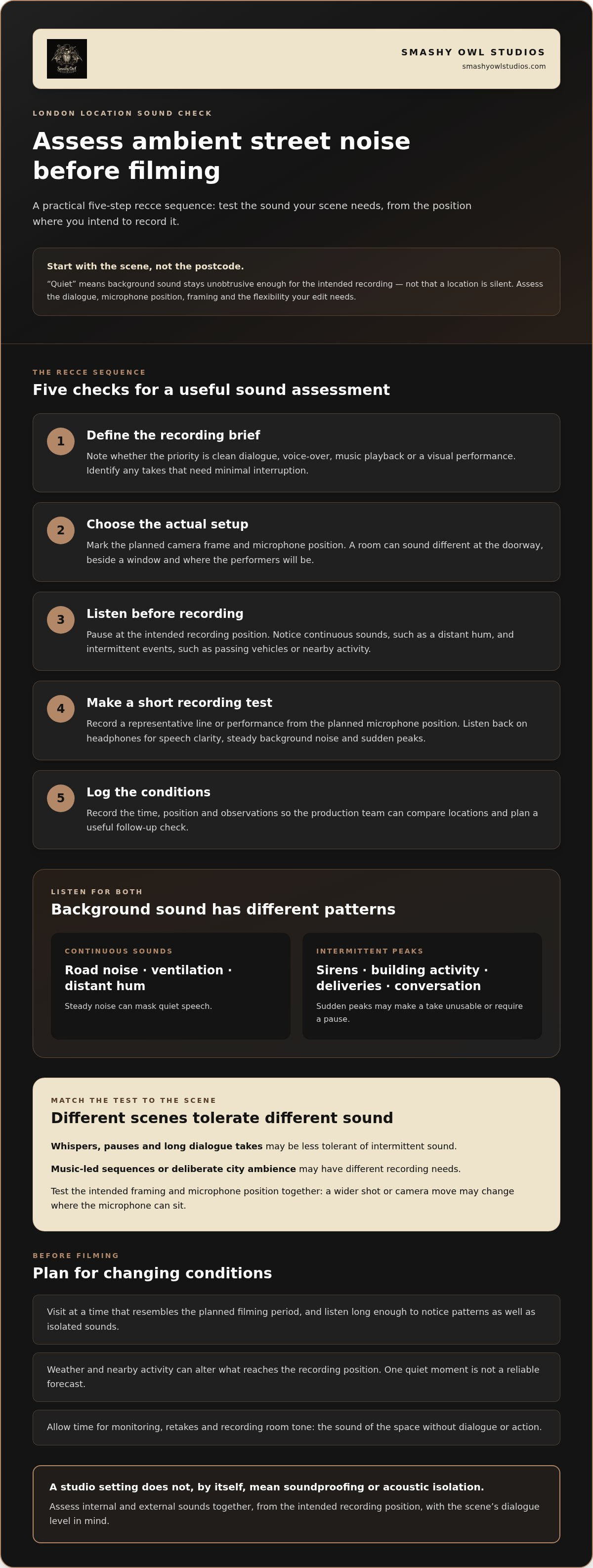
Use the same assessment sequence at each recce:
Define the recording brief. Note whether the priority is clean dialogue, voice-over, music playback or a visual performance. Identify any takes that need minimal interruption.
Choose the actual setup. Mark the planned camera frame and microphone position. A room can sound different at the doorway, beside a window and in the exact spot where performers will be.
Listen before recording. Pause and note continuous sounds, such as a distant hum, as well as intermittent events such as passing vehicles or nearby activity.
Make a short test. Record a representative line or performance from the planned microphone position. Listen back on headphones and note speech clarity, steady background noise and sudden peaks.
Log the conditions. Record the time, position and observations so the production team can compare locations and plan a useful follow-up check.
Match the sound check to the scene
A whispered exchange, a long dialogue take and a music-led performance place different demands on a location. Consider shot duration, how many takes are likely and whether dialogue needs to be clean in the recording or can be supported in post-production. Test the intended framing and microphone position together, since a camera move or wider shot may change where the microphone can sit. FilmSkills’ guide to reducing ambient noise on film sets offers further practical context for planning around location sound.
Check timing, conditions and practical interruptions
Visit at a time that resembles the planned filming period, then listen long enough to notice patterns as well as isolated sounds. Weather and nearby activity can alter what reaches the recording position, so don’t treat one quiet moment as a reliable forecast. Allow time in the schedule for monitoring, retakes and recording room tone, the sound of the space without dialogue or action.
Before filming, check the intended microphone position, continuous background sound, intermittent peaks, a short playback test and the timing of your recce. This keeps the decision grounded in the sound your scene actually needs. If an indoor setting suits the visual brief, include the South London studios near Oval in your comparison and assess the chosen recording position as you would any other space.
Indoor studio or street-facing location: which suits your film?
Choose the setting that serves the scene and its sound plan. An indoor production space can offer more control over the visual environment, while a street-facing location brings genuine London detail into the frame. Neither choice guarantees clean dialogue. The practical question is how much ambient sound your recording can accommodate and what trade-offs the production is prepared to manage.
Use this comparison to narrow the options, then assess the specific recording position rather than relying on the location type alone.
When an indoor studio can simplify sound planning
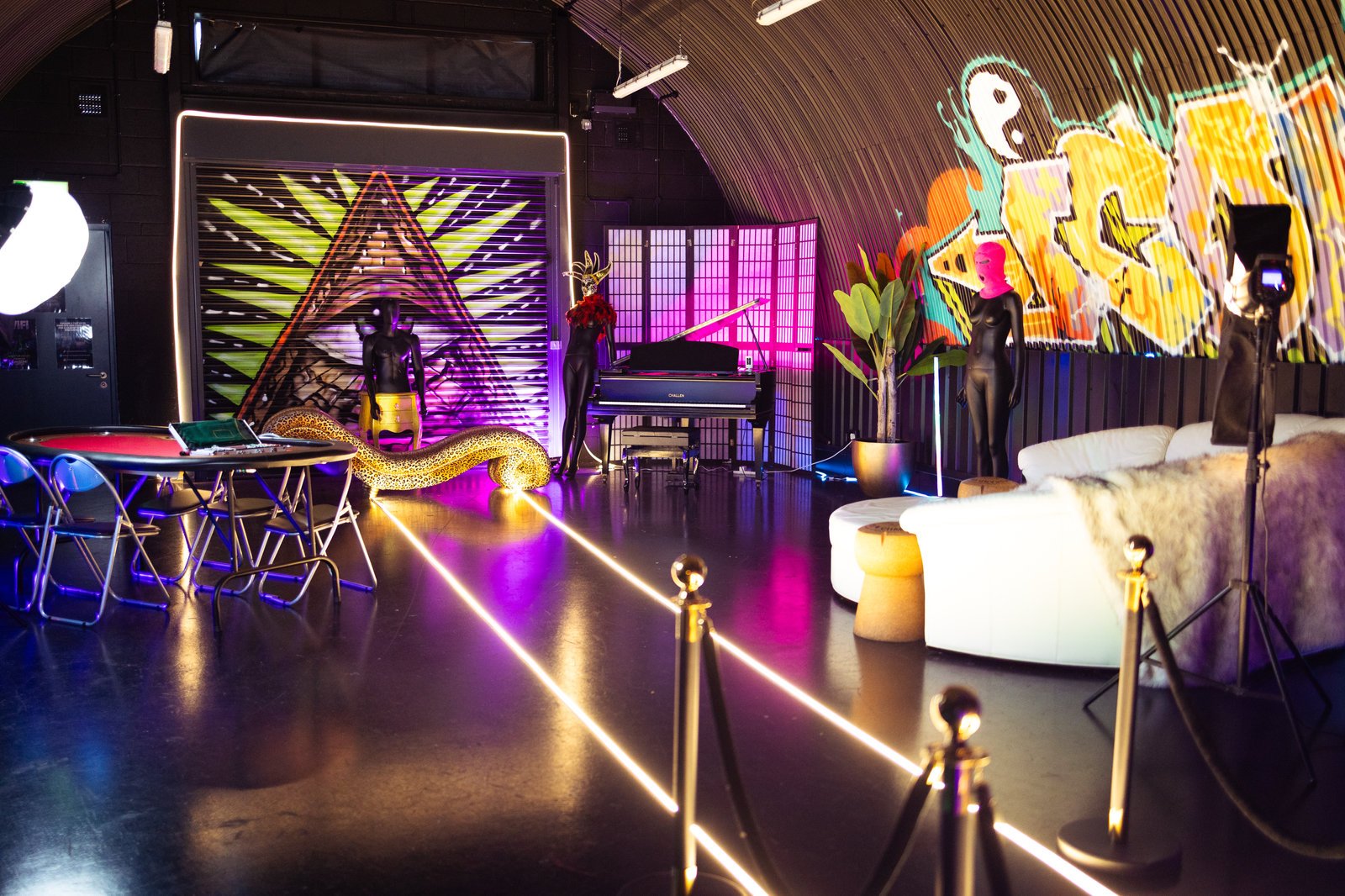
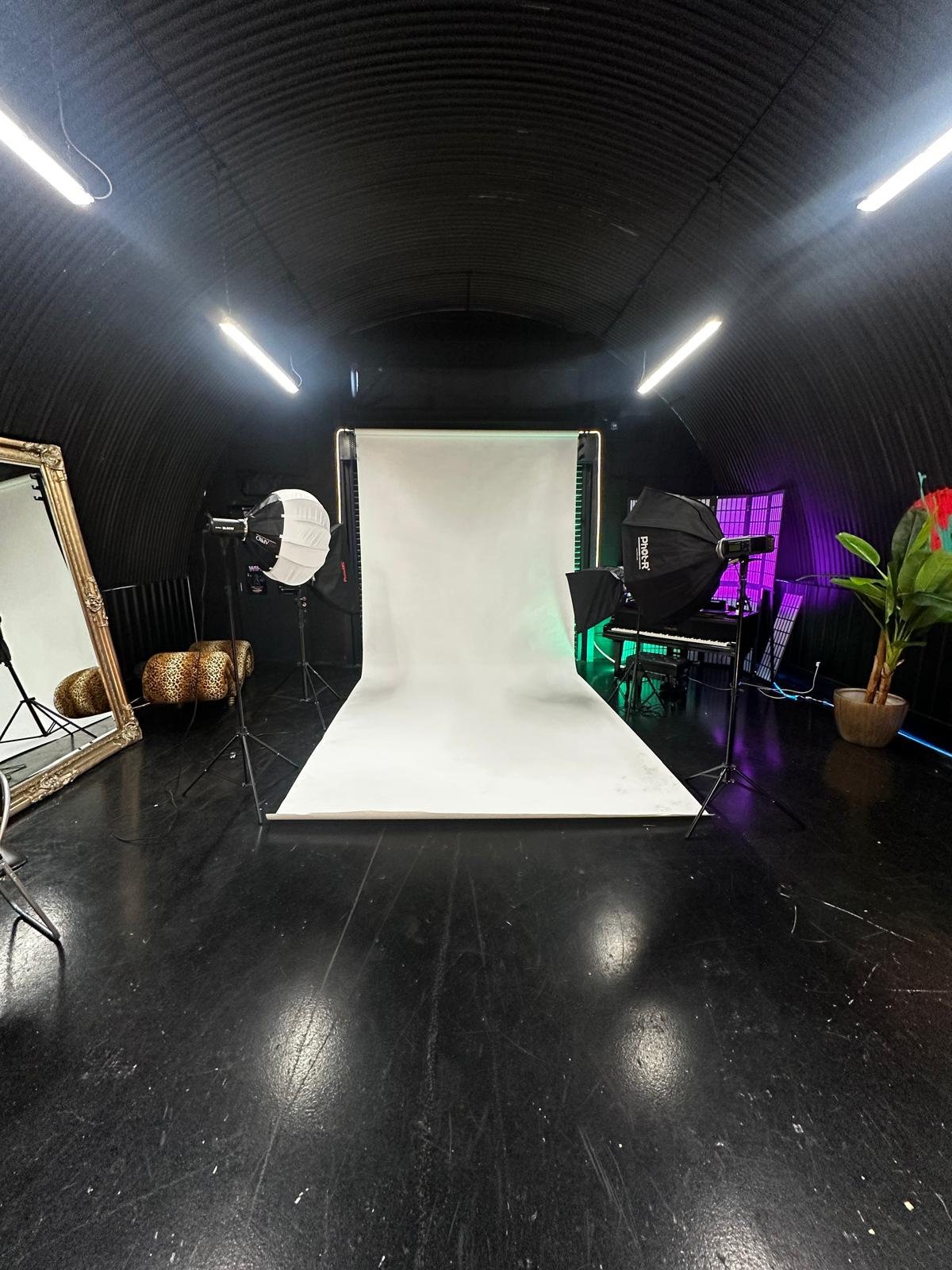
An indoor setting can make it easier to keep lighting and the look of a scene consistent across setups. That can help when you need several visual treatments without changing location. But indoors doesn’t mean acoustically isolated: assess the room and make a recording test from the planned microphone position. A drive-in blackout studio, for example, offers a visual production setting with professional lighting included, not an acoustic guarantee.
When the street atmosphere is part of the story
A real London street can bring texture and a sense of place that’s difficult to recreate indoors. That authenticity may be worth accommodating if the city is part of the narrative. The trade-off is less control over sound and activity. Plan coverage that gives you options, build pauses into dialogue where practical, and consider alternate takes around interruptions. For a quiet film location London low ambient street noise requirement, weigh the atmosphere against how clean the dialogue needs to be.
Base the decision on the scene’s priorities: visual control, location character, access and the recording’s tolerance for interruptions. If street sound is essential, treat it as part of the creative brief. If uninterrupted dialogue is the priority, favour the setting that offers the most workable conditions after testing. Compare each candidate against the same scene requirements so you can make a clear decision.
A practical sound checklist for your London filming day
A clear routine helps the team catch sound changes before they cost a take. Assign someone to monitor the recording, keep brief notes and make sure everyone knows what to do if an interruption lands mid-line. These checks support your sound plan; they don’t establish that a room is soundproof or acoustically isolated. Judge the recording you capture, not assumptions about the space.
Before the first take
Start at the exact shooting position. Listen in the room, then monitor through the planned recording setup, with the camera and microphone in place. A sound that seems faint in conversation may become distracting in headphones. Check again after the set is ready, as activity in the space can change the listening conditions.
Record room tone. Capture the space without dialogue or action, keeping the microphone position and other recording conditions consistent with the scene. Note any activity that could affect continuity.
Agree a pause plan. Decide who calls a pause if an intrusive sound overlaps dialogue, whether the take should be repeated and how the team will flag a sound issue without disrupting the set more than necessary.
Check the scene’s priorities. Confirm which lines need the cleanest recording and whether the scene includes planned background sound that should remain present.
During recording and at wrap
Keep monitoring between takes, not just during the first setup. A new sound may appear, stop or change in level, so record concise notes against the relevant take rather than relying on memory. If time allows, capture an alternate line or a wild track, a separate recording of dialogue or action without the camera’s visual take. These options can give the editor more flexibility, but they don’t replace careful monitoring.
Label clearly. Match sound notes to scene and take identifiers. Mark interruptions, changes in the environment and any take the team wants reviewed first.
Capture useful room tone. Record it again if conditions have changed since the earlier sample, and note the setup so the editor can judge whether it matches.
Review before wrap. Check that recordings and notes are organised, and that any required alternate lines or wild tracks have been captured while the set is still ready.
Production teams can listen, monitor, test and document; they shouldn’t infer acoustic isolation from a studio label or a quiet moment. Build the sound routine into the schedule alongside arrival, access and setup logistics. For productions planning around Oval, explore studio hire near Oval and consider how the location fits your visual brief and recording plan.
Choose a London studio around your visual and sound priorities
The right space is the one that fits the scene, recording requirements and practical shape of the shoot. Start with the sound your audience needs to hear, then weigh that against the visual world you want to create. A studio can offer useful creative control, but its appearance or indoor setting doesn’t establish how it will sound. Make the location decision with the recording environment in mind.
Before settling on a space, align the brief around a few essentials:
Scene: What must appear in frame, and does the story need a distinctive London backdrop?
Sound: Is clean dialogue central, or is ambient sound part of the finished scene?
Schedule: How much time can you allow for setup, sound checks, retakes and any change of scene?
Logistics: Consider how the team and production materials will reach and move around the space.
Choose between a blackout studio and a multi-room penthouse
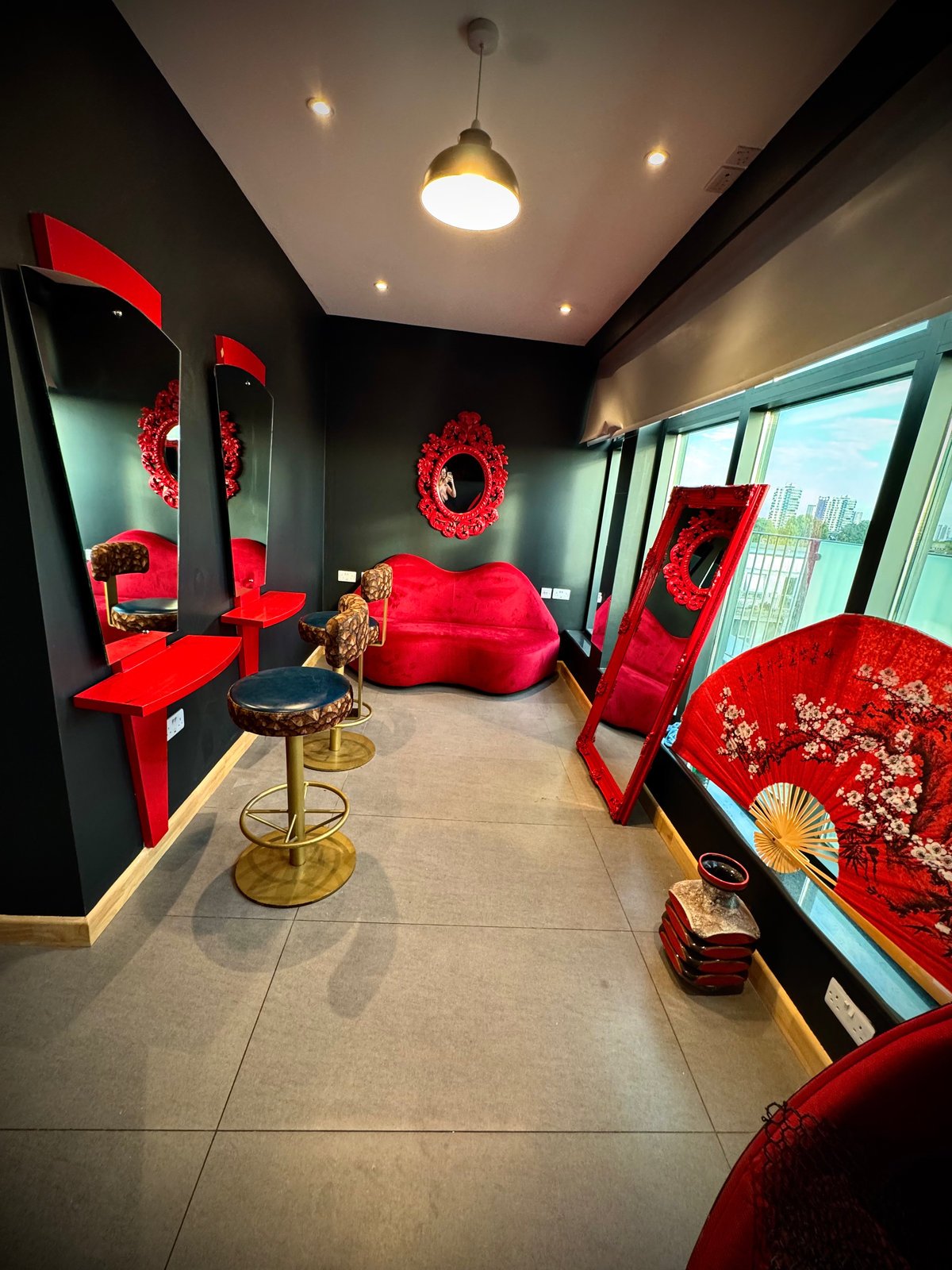
A blackout studio suits productions looking to shape the visual environment around the brief rather than rely on a particular existing backdrop. Smashy Owl Studios’ drive-in blackout studio includes professional lighting. For a more location-led look, the rooftop penthouse offers eight shootable rooms and panoramic London views. These are different creative options, not acoustic promises. Neither style confirms silence or sound isolation.
Think about how the choice affects the whole shoot. A controlled visual setup may help maintain a consistent look between scenes, while the penthouse’s varied rooms and views can provide more than one backdrop within a location. In either case, your sound plan should account for the actual recording environment and the scene’s needs. A visually flexible space can still require a careful listening test before filming.
Plan a location-led production with confidence
Bring the creative brief, schedule and sound requirements together before booking. If a skyline-led frame is central to the concept, weigh that against dialogue, microphone placement and continuity across takes. If the recording takes priority, make it clear in your location criteria and build time for checks into the day. For productions weighing up a quiet film location London low ambient street noise, judge each option by how its actual conditions fit the scene, not by its visual style alone.
Smashy Owl Studios operates two creative production spaces in South London near Oval: the drive-in blackout studio and a rooftop penthouse with eight shootable rooms. Use their visual differences to shortlist the setting that supports your concept, then include recording needs and production logistics in the decision. The right match gives your team a clear creative direction without asking the location to promise more than it can.
Explore the London studio spaces and find a setting that aligns with your production’s visual brief and sound plan.
Make sound part of your creative brief
Give sound the same attention as framing, lighting and performance from the earliest planning stage. Decide what the audience must hear clearly, what background texture supports the scene and where the production can be flexible. That turns the search for a quiet film location London low ambient street noise into a useful creative filter, rather than a last-minute problem to solve.
Carry those priorities into your location shortlist. Consider how each space can serve the story visually, then build your recording plan around the conditions you assess. The right environment should help your team make confident creative choices, while leaving room to adapt if the sound on the day differs from expectations.
Frequently Asked Questions
What makes a film location quiet enough for dialogue recording?
A location is quiet enough when background sound doesn’t mask the dialogue or undermine the result you need. The test depends on the delivery: a soft-spoken line needs more care than a projected performance. Listen to a recorded sample at a realistic playback level, not just in the room. If key words remain clear and the sound suits the intended edit, the conditions may work for that scene.
Can you record dialogue in a London studio near a road?
Yes, a studio near a road can be suitable, but proximity alone doesn’t tell you what the recording will capture. Room position, windows, the scene’s volume and passing noise all affect the result. Test from the planned microphone position and listen for both steady traffic and sudden peaks. A short dialogue sample can help you decide whether to adapt the setup, allow for interruptions or choose another recording approach.
How do I check street noise before booking a film location?
For a quiet film location London low ambient street noise brief, assess the exact room and shooting position rather than relying on a map or exterior impression. Visit at a time close to your intended shoot, record a short sample and listen back on headphones. Note the time and conditions, then compare the results with the scene’s needs. If possible, make a second check to see whether the sound changes across the day.
Does a blackout film studio mean the space is soundproof?
No. “Blackout” describes control over light entering the filming space, not sound insulation. Smashy Owl Studios’ drive-in blackout studio includes professional lighting, but that feature doesn’t indicate acoustic performance. For dialogue work, assess the sound at the planned setup and make a recording test. Treat visual control and sound conditions as separate parts of your location decision.
What is room tone, and should a film crew record it?
Room tone is a recording of the space’s background sound without dialogue or action. Yes, capture it with the same microphone setup used for the scene, and keep the room as still as possible. It gives the editor a reference for the sound between lines or cuts. Label the file with the scene, take and recording position so it can be matched to the right footage later.
Is South London a good choice for a film location with low ambient noise?
South London may suit your production, but the area name alone can’t predict how a specific location will sound. Conditions can differ between buildings and even between rooms in the same building. Base your decision on a recce at the intended recording position, at a relevant time, with the scene’s sound requirements in mind. That gives you a more useful answer than assuming any part of London is consistently quiet.
What should I do if street noise interrupts a take?
Pause if the sound compromises the line, then note the affected take and what happened. Repeat the line when conditions allow, and capture an alternate version or separate wild track if the schedule permits. Keep the sound notes with the scene and take information for the edit. If interruptions keep recurring, review the microphone position or adjust the order of shots so quieter dialogue can be recorded during a more suitable window.
Ready to plan your next shoot around a distinctive London setting? Book at smashyowlstudios.com or email bookings@smashyowlstudios.com.
Comments