

Rooftop penthouse shoot location vs hiring luxury hotel suite London

Updated: 4 days ago
The more luxurious-looking location isn’t automatically the better shoot choice. The decision between a rooftop penthouse shoot location and hiring a luxury hotel suite in London comes down to how the space works on camera, from natural light and ceiling height to terrace access and city views.
The room rate is only part of the comparison. Hourly studio hire and hotel or venue hire may be priced differently, so compare what each booking includes and how well the time suits your production, not just the headline fee.
Compare cost, daylight, usable space, rooftop access and skyline backdrops against the practical needs of your shoot. Planning for access, equipment and multiple looks can help you choose a location that fits both the creative brief and the production schedule.
Table of Contents
Hourly penthouse hire prices
Hourly hire can work well for a focused shoot, while a longer booking may make daily pricing worth comparing. Weigh the total booking cost against the time your production needs on location.
Hourly hire rates
An hourly rate lets you plan the cost of a shorter booking around your shoot schedule. Compare the minimum booking period, how time is counted, and whether setup and pack-down need to fit within your reserved slot. A portrait session using one room has different space and timing needs from a crew capturing several skyline scenes.
Daily hire rates
Daily rates are worth comparing when your schedule includes several scenes, outfit changes or a larger team. Measure the total cost against the hours you will actually use rather than assuming a full day is better value. Extra time is useful when it supports the shot list, not simply because it is available.
Hotel and venue pricing may follow a different structure from studio hire. Some venues charge by time, while others may apply a minimum spend or a wider venue-hire fee. Identify the booking model before comparing totals: a low hourly figure may not reflect the final cost if other conditions apply.
Make a simple comparison before committing:
Time: Estimate filming or photography, setup, breaks and pack-down separately.
Space: Match the rooms you need to the number of planned scenes.
Use: Explain whether the shoot is an intimate portrait session or a larger production.
Access: Include practical arrangements for people and equipment in your schedule.
For a one-look editorial shoot, an hourly booking may fit a concise call sheet. A brand campaign moving between several rooms could need more time, especially if lighting or styling changes are involved. Estimate from the production plan, not just the minutes spent taking photographs.
Compare like with like: the same duration, team size, rooms and intended use. A penthouse with a terrace or skyline backdrop may suit a particular creative brief, while a hotel suite may offer a different look. Price alone cannot show which space will work.
Use the London penthouse location details to understand the setting, then compare its current rates with your planned booking duration. For any location, cost depends on the booking arrangement and the production’s requirements, so keep the schedule and space needs clear when reviewing options.
Use these figures as broad comparisons between hourly and daily bookings, and check the specific fee for the space and arrangement you need.
London penthouse venue hire prices
Venue hire and shoot-location hire use different booking terms. Compare the full production cost and permitted use, not just the room description.
A location quote can reflect the property type, London location, exclusivity and booking duration. The rooms required and planned production can also shape the booking. Compare current rates for the same schedule and space requirements across your shortlist.
Hotel suite pricing may be based on accommodation, venue use or a separate commercial production arrangement. A room-night rate does not necessarily describe the terms for photography or filming. Give the hotel your intended use, crew footprint and schedule, then compare the resulting quote with a shoot-location booking on equivalent terms.
Get written permission for the planned shoot and agree any licence terms or insurance documents required for that location and production before committing to a date.
Hotels set their own photography and filming conditions. Clarify whether commercial use is permitted, which areas may appear on camera, and any limits on crew, equipment or changes to the interior. A suite might suit a quiet interview, for example, while a larger campaign may need access to more space.
Check each location’s written booking conditions for minimum periods, deposits and cancellation terms. Confirm the reserved hours, payment stages and cancellation arrangements before committing your crew or talent.
Commercial filming or photography is suitable only where the property permits that use. State your intended production clearly, including whether the images are for a brand campaign, editorial or another purpose.
Plan access for the people and equipment arriving on set. Check lift dimensions, loading arrangements, power access and the route from the entrance to the shooting area. For a larger crew or equipment, arrange a recce and map the route before shoot day.
For rooftop work, plan how the schedule can adapt to changing weather and agree terrace access in advance. Choose a London location to match the visual brief: identify the skyline, interior style and access needs that matter, then shortlist spaces that meet them.
Compare the written terms with your shot list before choosing. If a London penthouse setting suits the brief, discuss your shoot requirements to explore the relevant booking details.
Confirm that the hotel permits your specific commercial use, and agree which areas may be filmed or photographed, along with any limits on crew, equipment or interior changes. Conditions vary by property.
Do not assume a standard booking period or deposit. Before booking, confirm the reserved hours, payment stages and cancellation arrangements in the location’s written terms.
Natural lighting and ceiling height
Windows and room proportions shape the image before you set a camera or lighting plan. Compare daylight, ceiling clearance and usable floor area with the shots your creative team needs.
The word “penthouse” alone doesn’t tell you how a location will perform on camera. A high-floor skyline view and a generous ceiling height are very different assets, and your brief may need both. Check the actual windows, room dimensions and ceiling height of each space you’re considering.
Natural light changes throughout the day. Match your schedule to the direction and size of the windows, and consider how neighbouring buildings affect the view and light. A dining scene may call for soft daylight across a table, while a fashion portrait may need space to position the subject away from direct window light.
Arrange a recce during your intended shoot hours where possible. Check how daylight falls across the room, where shadows land and whether the background stays consistent between setups. A room that looks bright in the morning may look different later, so compare the viewing time with your call sheet.
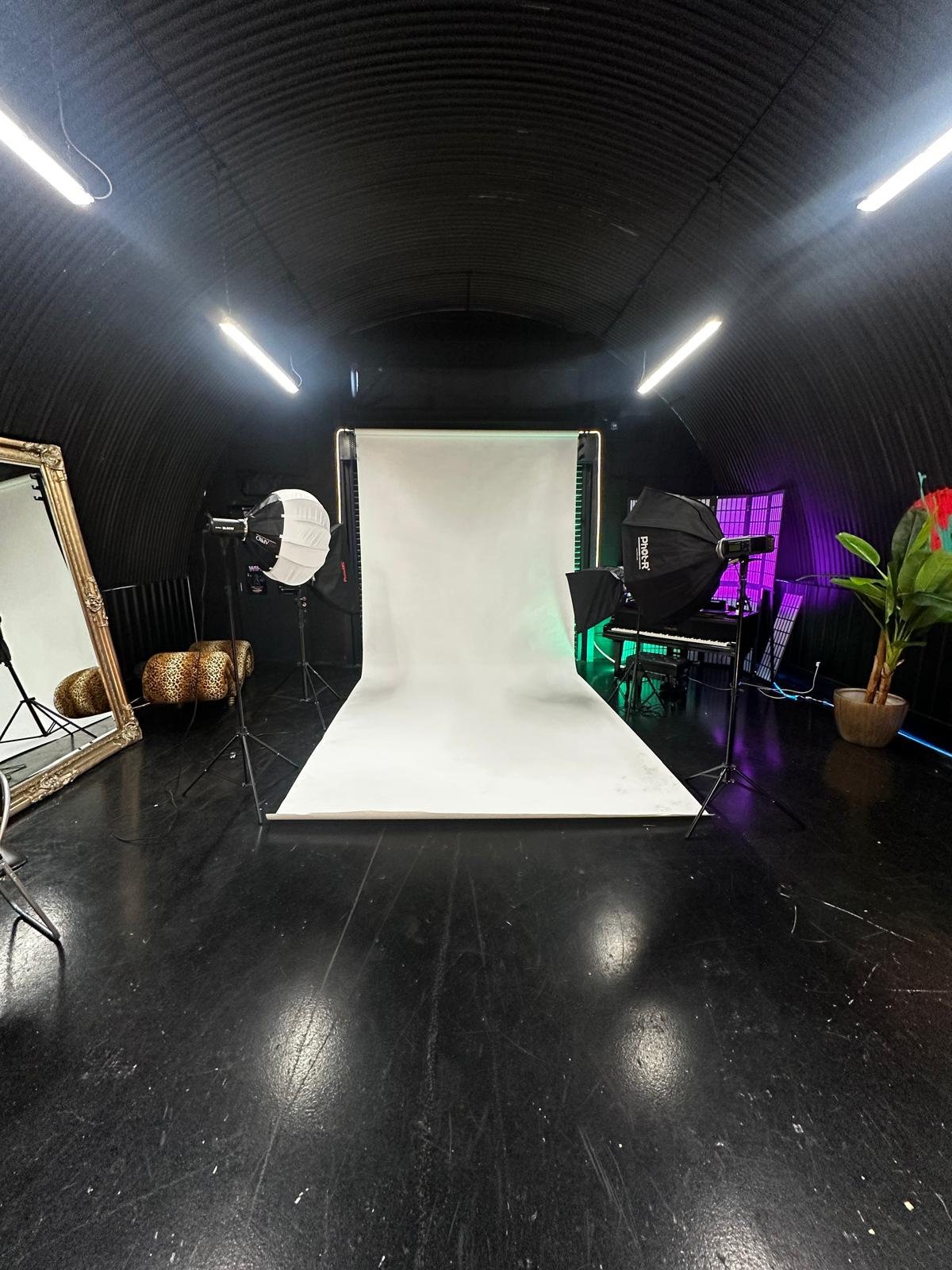
Ceiling height affects camera angles, overhead framing and the placement of lighting stands. A taller space, such as the roughly 4.5-metre ceiling at Smashy Owl’s Shangri-L’Arche studio, gives a crew more working volume than a typical apartment or hotel-suite ceiling. Consider the height of the tallest planned setup, including any equipment that needs to sit above the frame.
An intimate interview at a dining table may need less vertical clearance than a full-length fashion shot. Map the camera position, subject distance and lighting placement before choosing a space. This helps show whether the room can support the framing and movement your production needs.
Use this practical comparison for each shortlisted space:
Daylight: Note the planned shoot time and where window light falls.
Control: Decide whether the shot needs daylight, controlled lighting, or both.
Height: Compare ceiling clearance with the tallest camera or lighting setup.
Framing: Check that the lens position and subject distance work within the room.
A hotel suite can provide a polished interior, but its furniture and fixed layout may limit camera positions. A penthouse may offer a different combination of rooms and windows. Treat a viewing as a practical check: bring the shot list, identify the key frame and see how the room supports it.
Rooftop terraces and city views
A terrace offers an open-air backdrop, while an indoor setting provides a weather-protected alternative. Compare the look, sightlines and practical options with the frames your brief needs.
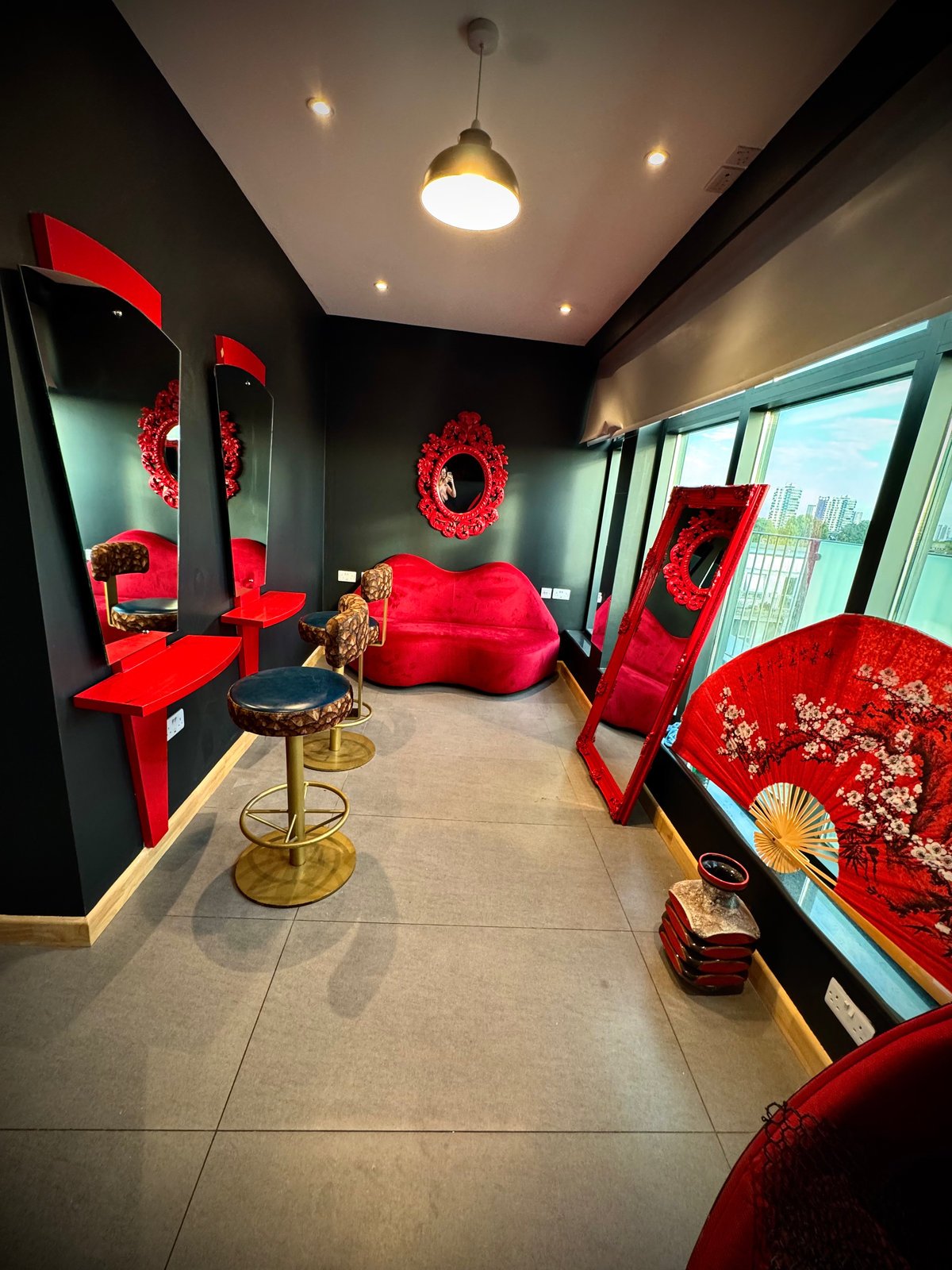
Smashy Owl Studios’ Shangri-La Penthouse offers panoramic views across London and a rooftop hot tub. Its rooftop setting adds an outdoor dimension, while the luxury interior provides another look for a varied shot list. A hotel suite may offer a polished indoor setting, but the view and usable space depend on the room.
Views and privacy
Check the view from the camera’s planned position. A skyline visible from one corner may disappear behind a neighbouring building when the frame shifts. Sketch the key compositions and note what could enter the background, including nearby windows, balconies and rooftop structures. This shows whether the view works for the image, rather than merely looking impressive in a room photograph.
Consider sightlines as well as the backdrop. For an intimate portrait, position the subject away from visible neighbouring spaces. For wide frames, decide which London landmarks or rooflines should remain in view. Treat privacy as part of the composition and plan camera angles accordingly.
Lighting and weather protection
A terrace is exposed to changing weather, while an indoor suite or the fully blackout Shangri-L’Arche studio offers a sheltered alternative. The Arch provides a controlled indoor setting; the Penthouse combines interior scenes with its rooftop space. Build flexibility into the schedule so exterior frames can move if conditions change.
Group terrace shots together where practical, and keep indoor scenes ready as an alternative. A clear order helps the team use the location productively if rain, wind or changing light affects exterior frames. Keep close-ups or dialogue work indoors when the production needs a more predictable setting.
Before booking, turn the brief into a location check:
Backdrop: Identify the skyline details and sightlines needed in each frame.
Privacy: Note neighbouring windows or structures that could appear on camera.
Weather plan: Match outdoor scenes with suitable indoor alternatives.
Location mix: Decide whether the Penthouse’s terrace and interiors or the Arch’s controlled setting better suit each scene.
Choose the space that supports the essential shots and gives the team a workable plan for the rest. If the brief calls for contrasting rooftop and controlled indoor looks, consider using both Smashy Owl Studios locations.
Smashy Owl Studios: Film location hire london
Smashy Owl Studios offers film location hire for productions choosing between a rooftop setting and a controlled studio environment. Near Oval station in Camberwell, SE5, its two spaces sit about 0.5 miles apart, roughly three minutes’ drive.
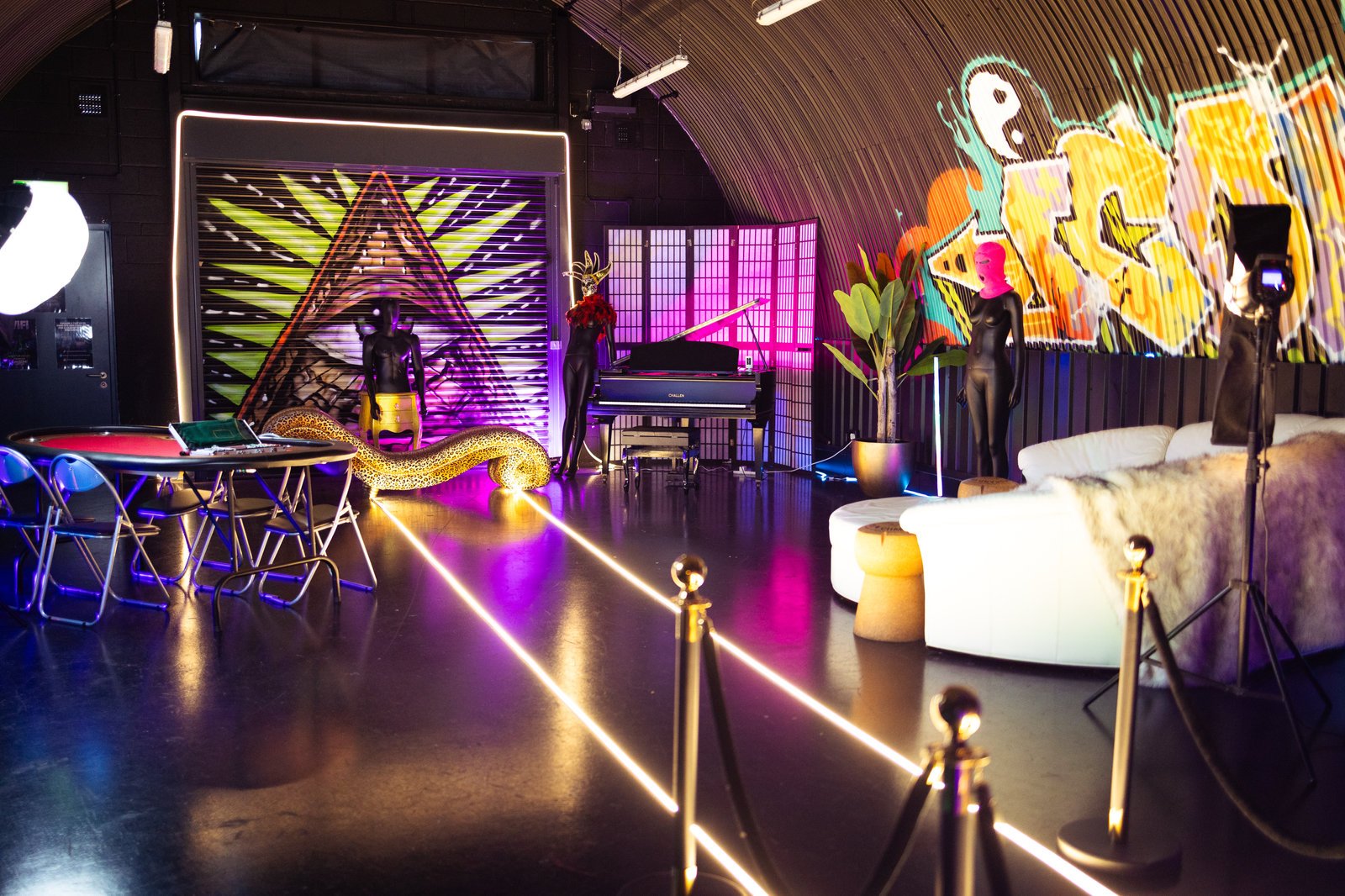
The Shangri-La Penthouse brings luxury interiors and panoramic London skyline views. For shoots needing greater control over light and atmosphere, the Shangri-L’Arche Blackout Studio offers a fully blackout setting with drive-in vehicle access. You can plan scenes across both locations to create distinct looks within one production.
Both spaces are available for hourly hire, with no minimum booking for standard shoots; drive-in vehicle shoots at the Arch have a three-hour minimum. Clients bring their own photographers, filmmakers and crew. See current rates and space details on the website, then book directly at smashyowlstudios.com or email bookings@smashyowlstudios.com.
Choose the setting that serves your next shot
Before choosing a location, turn the creative brief into a short list of must-have frames. Decide which image matters most, then whether it needs an open skyline, a sheltered interior or more control over the environment. That priority makes the choice between a rooftop penthouse shoot location and a luxury hotel suite in London more purposeful.
Smashy Owl Studios offers photo studio hire, film locations and music video locations in London. Choose the Shangri-La Penthouse for luxury interiors, skyline views and a rooftop hot tub, or Shangri-L’Arche for a fully blackout setting with a golden throne, neon runway, baby-grand piano, white Colorama, aerial hoop and optional drive-in vehicle access. Bring your own photographers, filmmakers and crew to create the look you have in mind.
Shape your plan around the images you want to make. A clear shot list helps you choose a setting with confidence and gives your production a focused starting point.
Your next strong frame starts with the right space. Choose a setting that gives your creative direction room to take shape.
Frequently Asked Questions
What are the typical costs of renting a London rooftop penthouse for a photoshoot?
The cost depends on the location, booking time, hire duration and production requirements. Compare rates for the same schedule and intended use, and include any additional guest charges where applicable. Smashy Owl Studios’ current rates are on its website. To book directly, visit smashyowlstudios.com or email bookings@smashyowlstudios.com.
What permissions, licences, and insurance are needed for a rooftop photoshoot in London?
Get the property owner’s written permission for the planned shoot. Confirm any licence terms and required insurance documents, and verify that commercial use and rooftop access are permitted.
What access, lift, loading, power, and equipment restrictions apply at London rooftops and hotels?
Check lift dimensions, loading arrangements, power access and the route from the entrance to the shooting area. Clarify equipment limits and arrange a pre-production recce, especially for a larger crew or equipment.
Which London areas offer the best rooftop penthouse or luxury hotel suite locations for a shoot?
Smashy Owl Studios has two shoot locations close together near Oval station in Camberwell, SE5: the Shangri-La Penthouse for luxury interiors, skyline views and a rooftop hot tub, and the Shangri-L’Arche blackout studio for controlled lighting and drive-in access. Elsewhere in London, compare areas by the view, light, access and permissions your shoot needs rather than by postcode alone.
Comments